The UAE is fast-tracking its new 'West-East Pipeline', expected to be completed by 2027, which will double the country's crude export capacity through Fujairah, its strategic port on the Gulf of Oman outside the Strait of Hormuz. According to ThePrint, the project comes at a crucial time as the UAE's decision to quit OPEC+ in May 2026 was not just about producing more oil but ensuring it could export more oil on its own terms with fewer geopolitical constraints. ADNOC chief executive Sultan Al Jaber emphasized at an Atlantic Council event that energy security is no longer just about production capacity, but routes, access, storage, and redundancy. The pipeline represents a significant shift in Gulf energy geopolitics, with producers investing in alternative corridors to reduce full dependence on Hormuz.
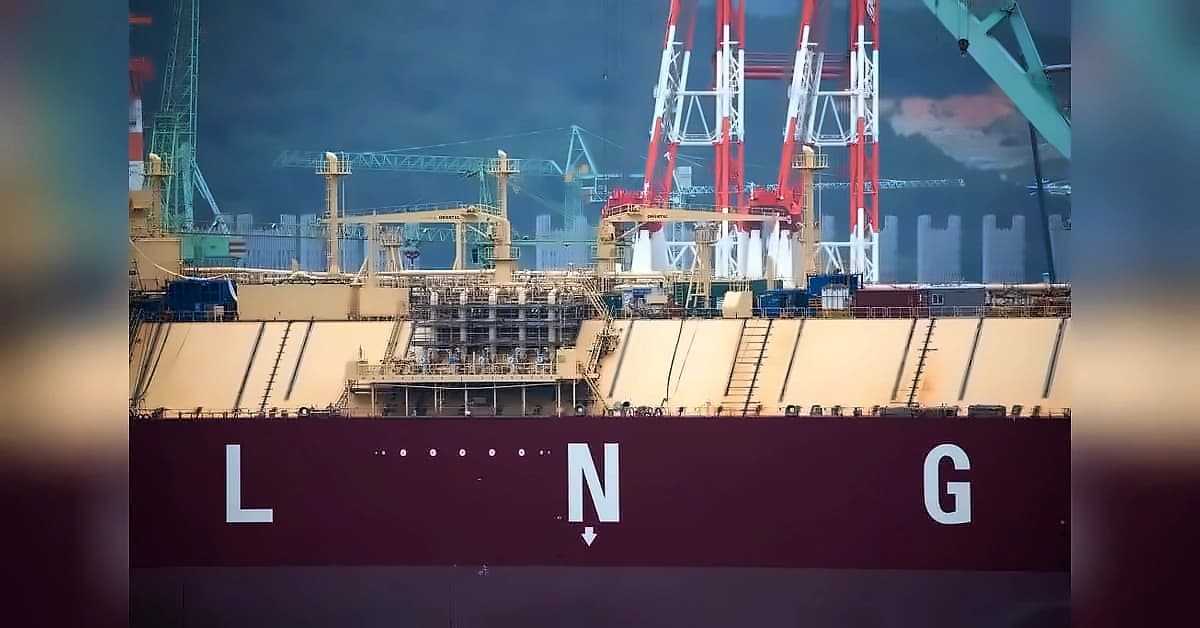
A Liberia-flagged tanker Al Hamra carrying approximately 62,000 tonnes of LNG from ADNOC's Das Island export facility successfully arrived at Gujarat's Dahej terminal on Tuesday, marking the first LNG cargo to reach India from the Persian Gulf in over two-and-a-half months of the strait's effective closure due to the West Asia war. According to ship tracking data from MarineTraffic, the vessel is stationed at one of Dahej's LNG discharge jetties as of 2 pm Tuesday, with the cargo belonging to government-owned gas major GAIL. The Al Hamra is owned and operated by ADNOC Logistics and Services, part of ADNOC's strategy to maintain energy exports through the strategically important waterway. While the cargo represents only about one day's worth of India's LNG imports, the arrival has built hopes of more LNG supplies coming to India from the Persian Gulf region, providing a significant boost to India's energy supply outlook amid prolonged geopolitical tensions.
The Al Hamra's arrival represents a significant recovery in energy flows through the vital waterway, which has remained virtually shut to LNG traffic since the war in Iran began in late February 2026. As reported by Kpler, only seven vessels laden with LNG are estimated to have transited the fraught waters of the Strait of Hormuz in the nearly three months of the West Asia conflict. The Al Hamra is one of three LNG tankers that crossed the critical maritime chokepoint over the weekend despite elevated geopolitical risk, with the other two tankers—Fuwairit and Al Rayyan—carrying QatarEnergy cargoes bound for Pakistan and China, respectively. The vessel's operational posture carries important implications, as ADNOC has not suspended production or loading operations - the constraint is transit risk management, not infrastructure capability. The Umm Al Ashtan, a 136,357-cubic-metre LNG carrier, had previously completed another liquefied natural gas shipment through the Strait of Hormuz, with satellite images confirming the vessel loaded cargo at Adnoc's Das Island export plant.
For India, which imports more than 85 percent of its crude oil requirements and remains heavily dependent on West Asian supplies, the UAE's pipeline development has direct implications for energy security. As Energy Strategist Umud Shokri from George Mason University told ThePrint, the project could provide Indian refiners with more reliable access to UAE crude during regional tension. The Fujairah route provides an important alternative, with oil loaded from the UAE's eastern coast entering the Arabian Sea directly without transiting Hormuz, reducing exposure to one of the world's most sensitive maritime chokepoints. Shokri explained that this could reduce shipping delays, insurance exposure and disruption risk for Indian buyers, with the additional UAE export capacity materially reducing supply risks and giving Abu Dhabi a stronger bypass option during Gulf crises. The pipeline also reflects a broader strategic shift in Gulf energy geopolitics, with producers investing in alternative corridors and infrastructure to reduce dependence on Hormuz.
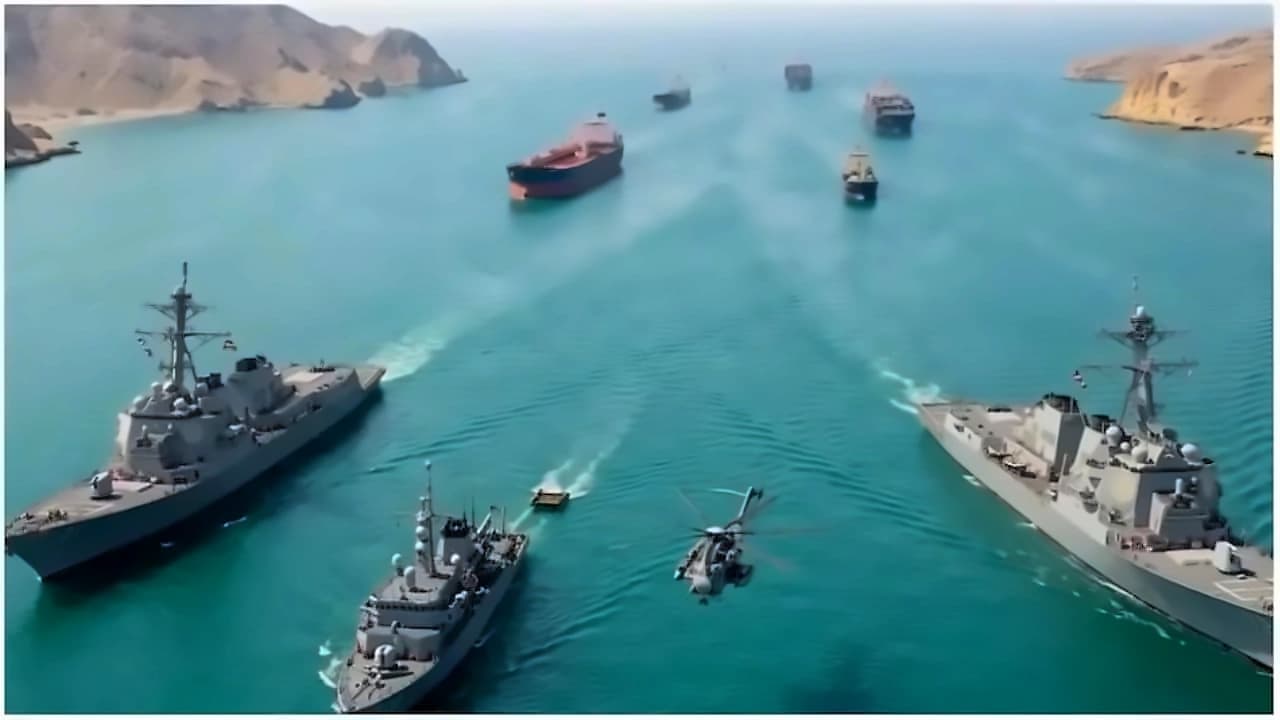
Following the disruption in LNG supplies due to Strait of Hormuz closure, the government had initially reduced gas allocation to the fertiliser sector to 70% of average consumption over the previous six months as part of managing natural gas supplies. However, by early April, the allocation to the fertiliser sector was hiked to about 95%, and earlier in May, it was further increased to about 98% to ensure uninterrupted urea production ahead of the crucial Kharif season. The month-over-month growth in LNG imports in April over March was likely due to higher gas use in fertiliser and other sectors. New Delhi has been engaged with Tehran to get safe passage for India-bound vessels, particularly energy cargoes, as vessel movements through the Strait of Hormuz are all but halted due to the West Asia conflict. The Strait of Hormuz remains one of the world's most strategically important maritime chokepoints, positioned between Iran and Oman, connecting the Persian Gulf to the Gulf of Oman and the Arabian Sea.