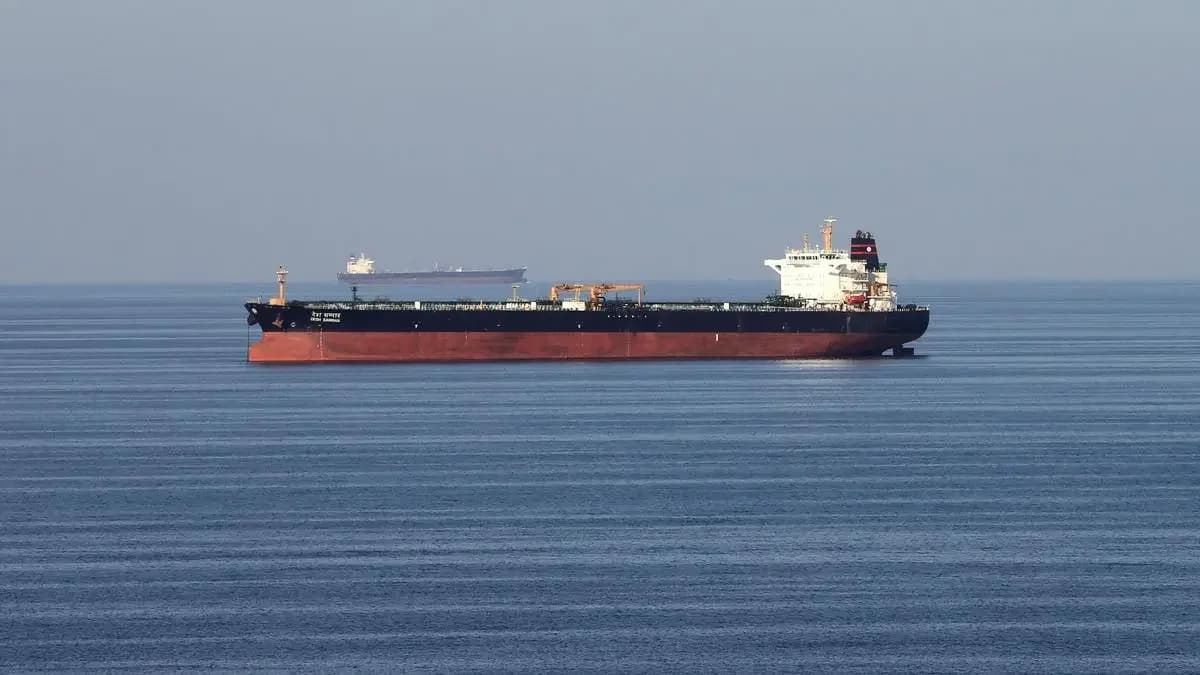
The International Energy Agency has cut its 2026 oil supply forecast again, projecting a drop of 4.3 million barrels per day as the Hormuz standoff continues to impact global energy flows. This represents a steeper cut than the 3.7 million bpd drop the agency forecast in July, with total supply now estimated at 102.02 million bpd - the lowest 2026 estimate yet. According to the IEA, "global oil supply has fallen well below demand due to the Strait of Hormuz shutdown, the US blockade of Iranian exports, attacks within the Bab el-Mandeb Strait and reduced Kazakh CPC Blend exports." The renewed hostilities in the Middle East since July are pushing the market deeper into deficit, creating significant challenges for global oil supply chains. The expected supply drop will take total supply to the IEA's lowest forecast yet for this year, with the agency now expecting an oil market deficit of 1.8 million bpd over July-September - marking a 1 million bpd downward revision from its July forecast. As per Reuters, the IEA stated that "drone attacks in the Black Sea also had an impact on exports," further deepening the supply disruptions. The IEA now warns that the deficit for 2026 as a whole would likely be the widest in five years, as the US-Iran war continues to drag on.
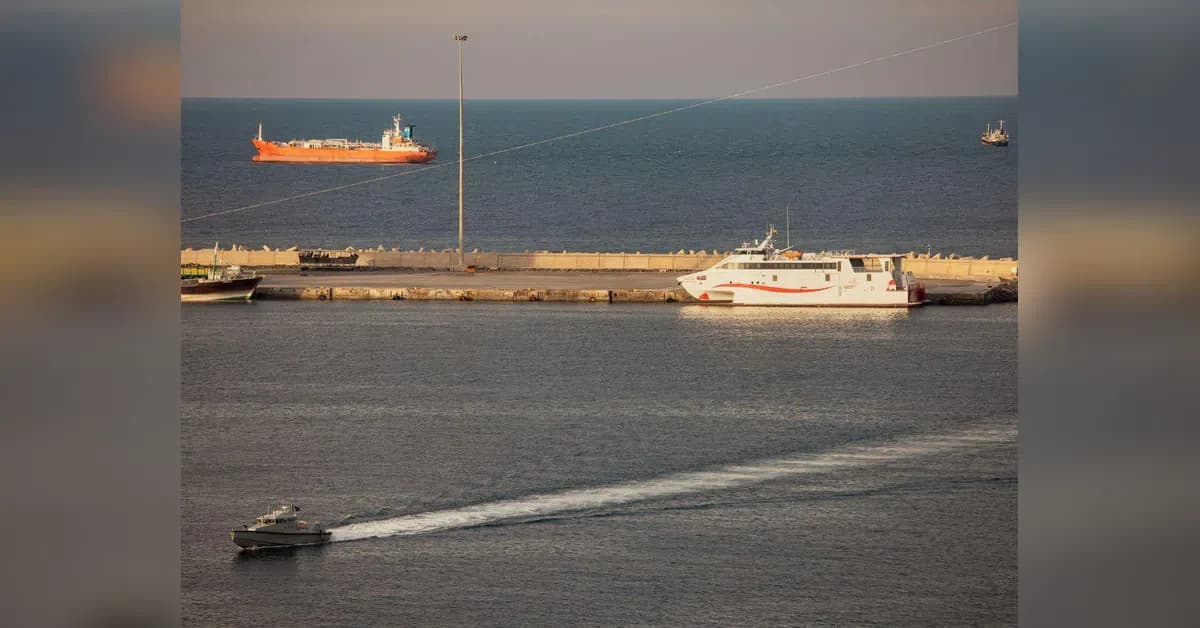
The United Arab Emirates has initiated a rare strategic deployment of dark-transit operations to transport Iraqi crude through the contested Strait of Hormuz, according to Bloomberg reports. Abu Dhabi National Oil Co. (Adnoc) is utilizing methods typically designed to obscure vessel tracking, with tankers conducting brief voyages with disabled transponders to evade detection in the Persian Gulf. Once these ships navigate past immediate threat zones, they transfer their Iraqi crude shipments to other vessels waiting offshore. This represents a highly unusual shift in regional energy logistics, as the UAE enterprise has established itself as the most effective operator in moving oil through the congested waterway. The company has relied on shuttling tactics - short trips, often with transponders switched off, before transferring cargoes to other ships just outside the gulf - to become the most successful producer at getting its crude oil out of the Persian Gulf. The war in West Asia, combined with continued fighting between Russia and Ukraine that has brought waves of strikes on energy infrastructure such as ports and refineries, has tightened oil and product markets further.
Iraq's crude exports have surged to around 2 million barrels per day this month, as confirmed by Ali Nizar, chief of Iraq's state oil marketing company SOMO, according to Bloomberg reports. This represents a significant increase from the 1.5 million to 1.7 million barrels per day estimate from the country's oil minister last week. The surge comes as Adnoc has extended spot cargo offers to Asian buyers utilizing this dark-transit methodology for Basrah crude and other regional grades. Until now, Vitol Group and France's TotalEnergies SE have carried most of Iraq's crude, but Adnoc's offers may already be diverting some of that trade. The UAE's intervention appears to be shifting established logistics networks, as offers of oil by traders other than Adnoc have slowed this month as tensions in the Persian Gulf rose again. Middle East oil loadings had recovered to 20 million bpd at the start of July - broadly in line with pre-war Hormuz traffic - but dropped back to 12 million bpd later in the month. According to the IEA, "Middle East oil loadings had recovered to 20 million bpd at the beginning of July, roughly in line with pre-war Hormuz traffic. However, later in the month, they fell to 12 million bpd."
Iraq's SOMO has implemented aggressive financial incentives, offering unprecedented discounts reaching up to $30 per barrel below benchmark prices for shipments loading this month, according to Bloomberg reports. For its flagship Basrah Medium crude, discounts ranged between $25 and $27 per barrel. These substantial discounts aim to offset the extreme risks associated with navigating the contested corridor and reflect the challenging export environment. The company has slashed prices to as much as $30 per barrel below benchmark prices for volumes loading this month, demonstrating the premium placed on secure transportation routes amid the ongoing Hormuz standoff.
The IEA now expects global oil demand to contract this year by 1.6 million bpd, from a roughly 1 million bpd drop in its July report, as restricted supplies of refined fuels and higher prices have curtailed oil demand. "The worst-hit products are gasoline and naphtha, with Asia and the Middle East suffering the most from year-over-year decreases," the IEA stated. "Demand has decreased due to limited supply of refined fuel and rising costs." Russian oil refining remained close to a 20-year low at 3.9 million bpd in July as Ukrainian drone attacks have hit most refineries west of the Urals mountains. As a result, Russian fuels exports slumped to 1.4 million bpd in July, almost half of July 2025 levels, while crude exports hit a record high of 4.8 million bpd. Overall refinery crude oil processing was down by 5 million bpd on the year in July, with available capacity in the global system unable to offset supply bottlenecks and propelling refining margins to record highs. The IEA reports that "global refinery crude processing decreased by 5 million barrels per day in July due to supply shortages that drove refining margins to all-time highs."
Crude oil prices held near six-session highs as US-Iran talks over the Strait of Hormuz stayed deadlocked, with Brent crude trading near $88 a barrel and West Texas Intermediate holding below $83. The commodity was on track for a weekly gain, extending months of volatile trading as markets tracked the on-off efforts by Tehran and Washington to end their conflict. US President Donald Trump said the US had "total control" over the strait, while talks between Washington and Tehran appeared deadlocked, with both sides hardening their positions. The US pressed ahead with a blockade of Iranian ports as part of a wider push to increase economic pressure on the country. Despite the deadlock, crude was on track for a weekly gain, extending months of volatile trading as markets tracked the on-off efforts by Tehran and Washington to end their conflict. The war in West Asia, combined with continued fighting between Russia and Ukraine that has brought waves of strikes on energy infrastructure such as ports and refineries, tightened oil and product markets further. However, US crude stockpiles swelled by 17.4 million barrels last week, which was the largest increase since January 2023 according to the Energy Information Administration. The build was concentrated on the US Gulf Coast, driven by weaker exports and rising imports, including the return of Saudi and Venezuelan crude.