International traders placed $7 billion in oil market positions across March and April, betting on falling prices ahead of major Iran-related announcements. According to traders, market experts and a Reuters analysis of exchange data, these positions were significantly larger than earlier estimates of $2.6 billion, which had already triggered concerns in Washington and warnings about the use of non-public information for trading. The positions were placed across major exchanges, ICE and CME, and included crude oil, diesel and gasoline futures, along with longer-dated contracts linked to global benchmarks. The latest developments show traders are now embracing the 'Nacho' trade - shorthand for 'Not A Chance Hormuz Opens' - as mounting pessimism grows that oil flows through one of the world's most critical shipping routes will not resume anytime soon.
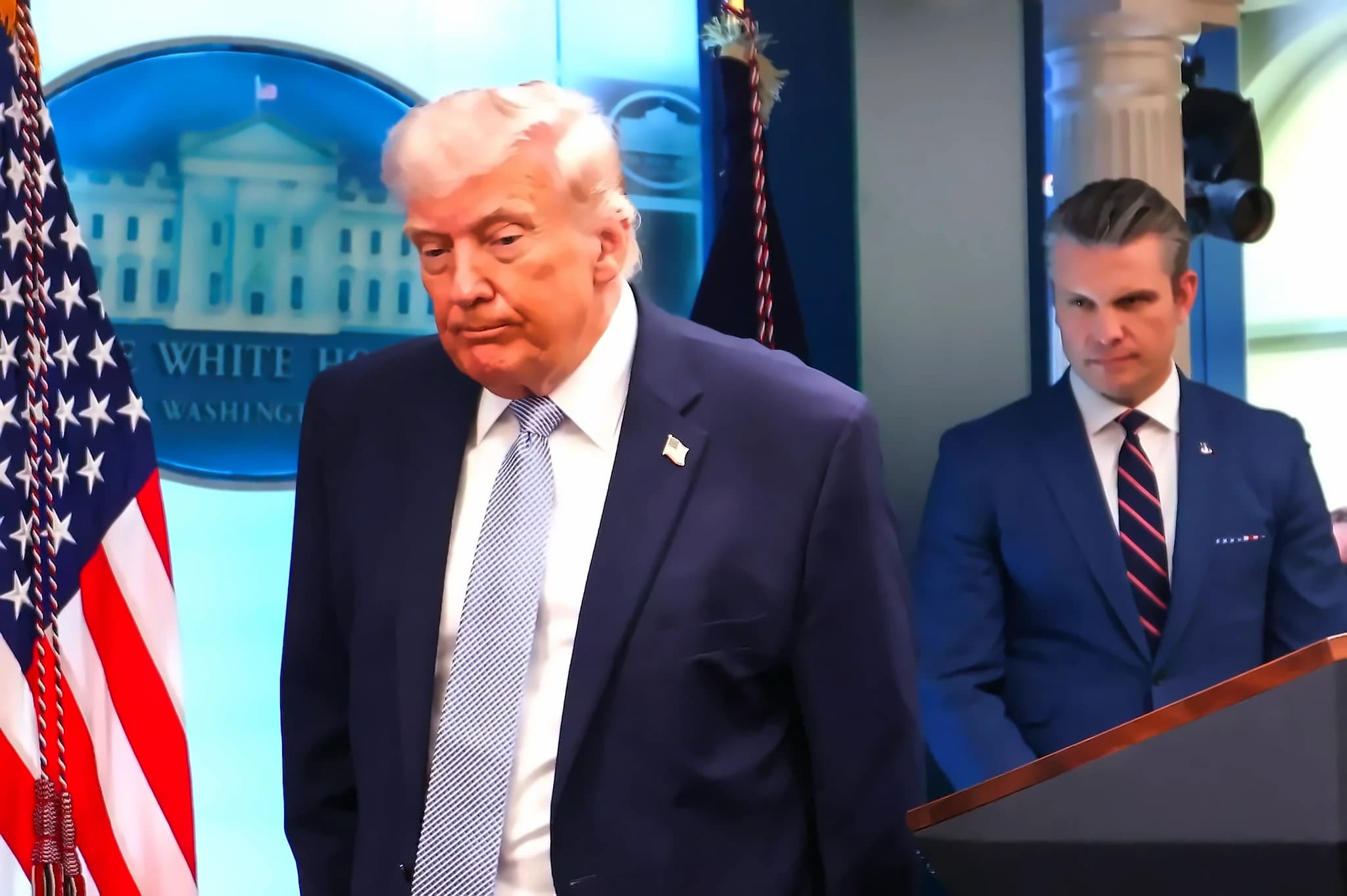
The unusual trading activity began on March 23, when traders placed large sell orders just minutes before Trump announced a delay to planned attacks on Iranian power infrastructure. According to Reuters, around 20,000 Brent and West Texas Intermediate contracts were traded within a short window, along with diesel and gasoline positions, totaling approximately $2.2 billion for that day. Similar patterns emerged on April 7 with about $2.12 billion in sell orders after trading activity had slowed, and on April 17 with nearly $2 billion in oil and fuel futures sold before remarks from Iranian officials. The final activity occurred on April 21, when around $830 million worth of oil contracts were sold shortly before Trump extended the ceasefire. The phrase 'Nacho' gained attention after Bloomberg columnist Javier Blas posted on X in late April: 'We thought we were getting a Taco (Trump Always Chickens Out). But so far we are getting a Nacho (Not A Chance Hormuz Opens)'.
Following the announcements, oil prices dropped sharply across all trading sessions. As reported by Reuters, crude fell as much as 15% and fuel prices declined around 12% after Trump's March 23 announcement. The April 7 announcement of a two-week ceasefire with Iran triggered another significant drop in oil prices. Based on the scale and timing, a trader holding $7 billion in such positions could have made hundreds of millions of dollars, depending on execution. Short selling involves borrowing contracts, selling them, and later buying them back at a lower price to make a profit. The latest surge came after Trump rejected Iran's latest counterproposal, calling it 'totally unacceptable' on social media, with Brent crude prices climbing above $100 per barrel this week after briefly touching wartime highs of around $126 per barrel.
The trading activity is now under regulatory scrutiny, with the US Commodity Futures Trading Commission (CFTC) investigating the activity, according to a person familiar with the matter told Reuters in April, although the regulator has not confirmed any formal probe. The CME Group is also reviewing the trades, according to a source familiar with the matter. ICE and CME both declined to comment. A White House spokesperson stated that "All federal employees are subject to government ethics guidelines that prohibit the use of non-public information for financial benefit." The shift from the earlier 'Taco' trade to the current 'Nacho' trade reflects a broader change in market sentiment, with traders now viewing elevated oil prices and shipping risks not as temporary geopolitical shocks but as longer-term market conditions.
Market participants have called the timing unusual, with Jorge Montepeque of Onyx Capital Group noting that 'The volumes were highly unusual. They were concentrated. They were ahead of key announcements.' Adi Imsirovic of the Center for Strategic and International Studies (CSIS) said that the trades appeared 'well informed,' adding that regulators have the tools to trace trading activity through exchange data. According to eToro analyst Zavier Wong, 'It's essentially the market losing hope in the chance of a quick fix. For most of this crisis, every ceasefire headline triggered a sharp selloff in oil, and traders kept pricing in a resolution that never came.' He added that 'Nacho is an acknowledgment that higher oil isn't a temporary shock to trade around, it's the current market environment.' Despite growing fears in oil and shipping markets, global equities have remained relatively resilient, with analysts noting that some parts of the market are fully embracing the 'Nacho' thesis while stock markets continue to remain comparatively calm.