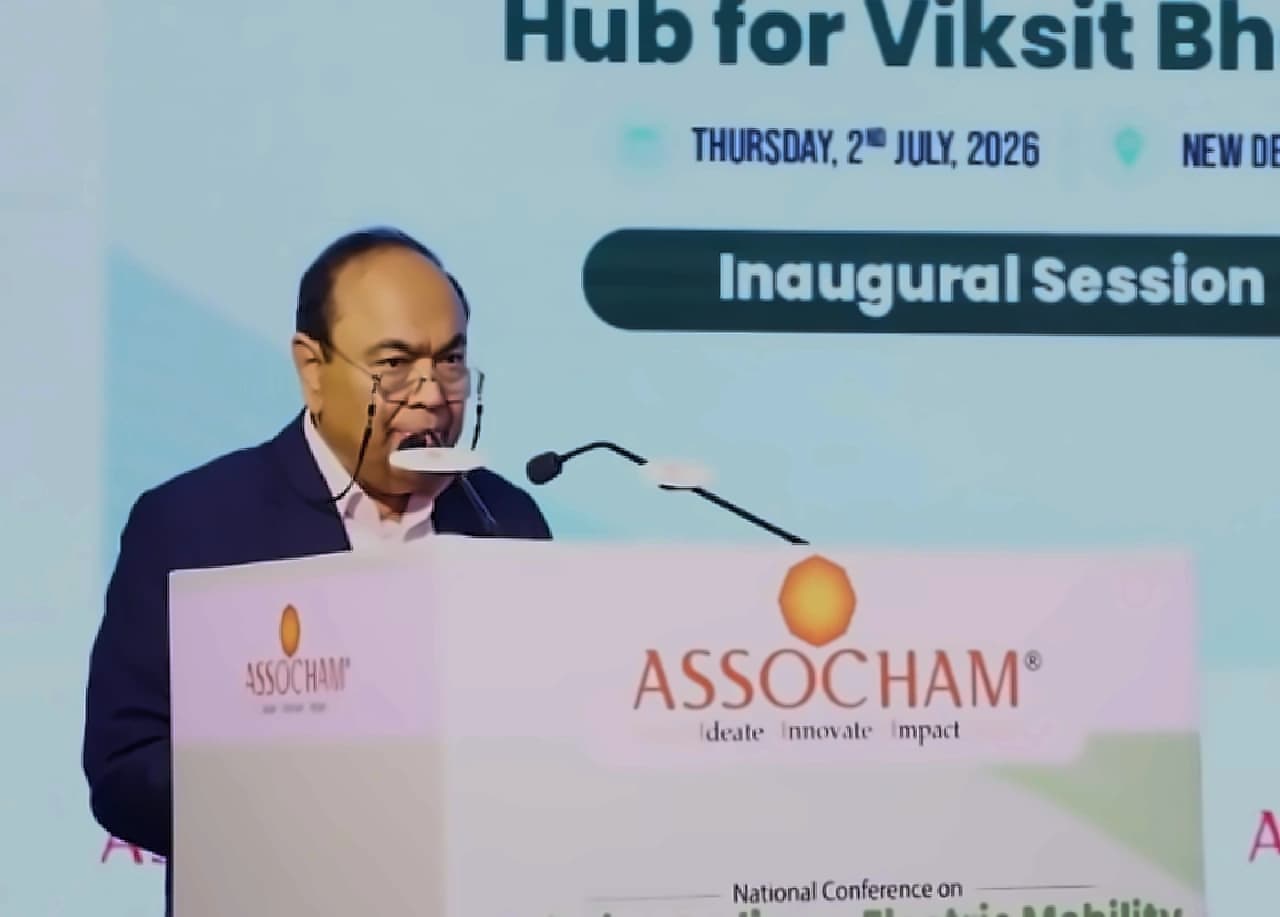
The Indian steel industry must diversify its export markets, accelerate decarbonisation, and strengthen technology and R&D capabilities to remain globally competitive, according to Ashwini Kumar, Economic Advisor, Ministry of Steel. Speaking at the ASSOCHAM's India Steel Conclave 2026 in the national capital, Kumar emphasized that the trade landscape is shifting as many countries are taking protective measures to safeguard their industries. The government official highlighted that Indian steel exports face particular challenges due to high carbon intensity, making it difficult for Indian steel to access high-value European markets. Kumar stressed that "Indian steel industry must accelerate decarbonisation, strengthen technology and R&D, and diversify its export markets to remain globally competitive amid a rapidly shifting trade landscape shaped by carbon border measures and tariff actions."
The US has invoked Section 232 measures while the EU has introduced the CBAM (Carbon border adjustment mechanism) to support their domestic steel industries. As reported by Kumar, CBAM means that market access in high-value destinations will increasingly depend not only on the quality and price of the steel, but also on the carbon intensity of the production process. Given the high carbon intensity of Indian steel production, it will become increasingly difficult for Indian steel exports to access European markets, particularly as CBAM measures are expected to become more stringent over time. The Economic Advisor noted that "CBAM means that market access in high-value destinations will increasingly depend not only on the quality and price of the steel, but also on the carbon intensity of the production process."
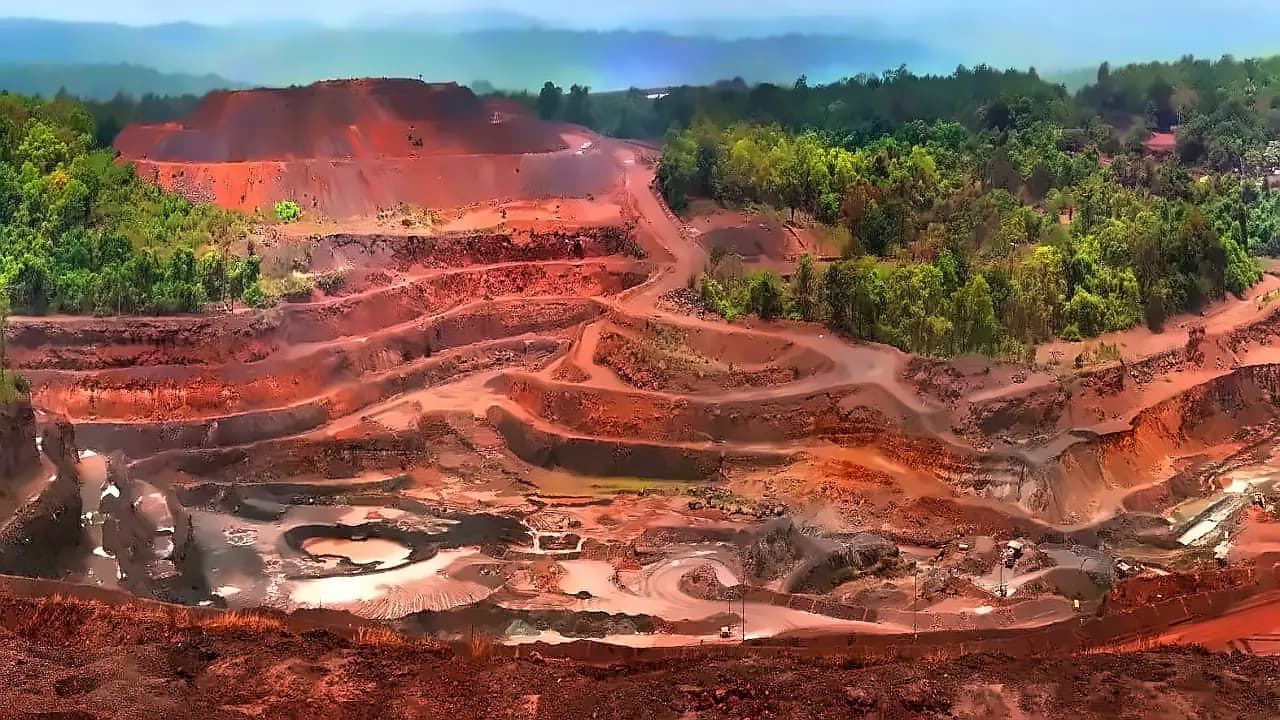
India remains dependent on imports for approximately 85% of its coking coal requirements, creating significant supply-chain vulnerabilities for steel producers. According to Tushar Makkar, Head Corporate Communications, ArcelorMittal Nippon Steel India (AMNS India), this dependency exposes producers to supply-chain disruptions, freight volatility, geopolitical risks and raw-material price fluctuations. Additionally, ensuring predictable and long-term access to iron ore resources remains critical to supporting future capacity expansion and maintaining operational stability. Makkar highlighted that "Raw material security continues to be a strategic concern. India remains dependent on imports for approximately 85 per cent of its coking coal requirements, exposing producers to supply-chain disruptions, freight volatility, geopolitical risks and raw-material price fluctuations."
Despite the challenges, Kumar presented a positive outlook for the Indian steel sector. He emphasized that these measures present an opportunity to modernise India's steel industry, improve technology and production processes, significantly reduce emissions and strengthen long-term global competitiveness. The Economic Advisor expressed confidence that "I would like to look at it with a positive lens, an opportunity to modernise India's steel industry, improve technology and production processes, significantly reduce emissions and, at the same time, strengthen its long-term global competitiveness. I am confident that with the right policy support, continuous innovation, investment in technology and close collaboration between government and industry, the Indian steel sector will not only overcome these challenges but emerge stronger and more globally competitive."