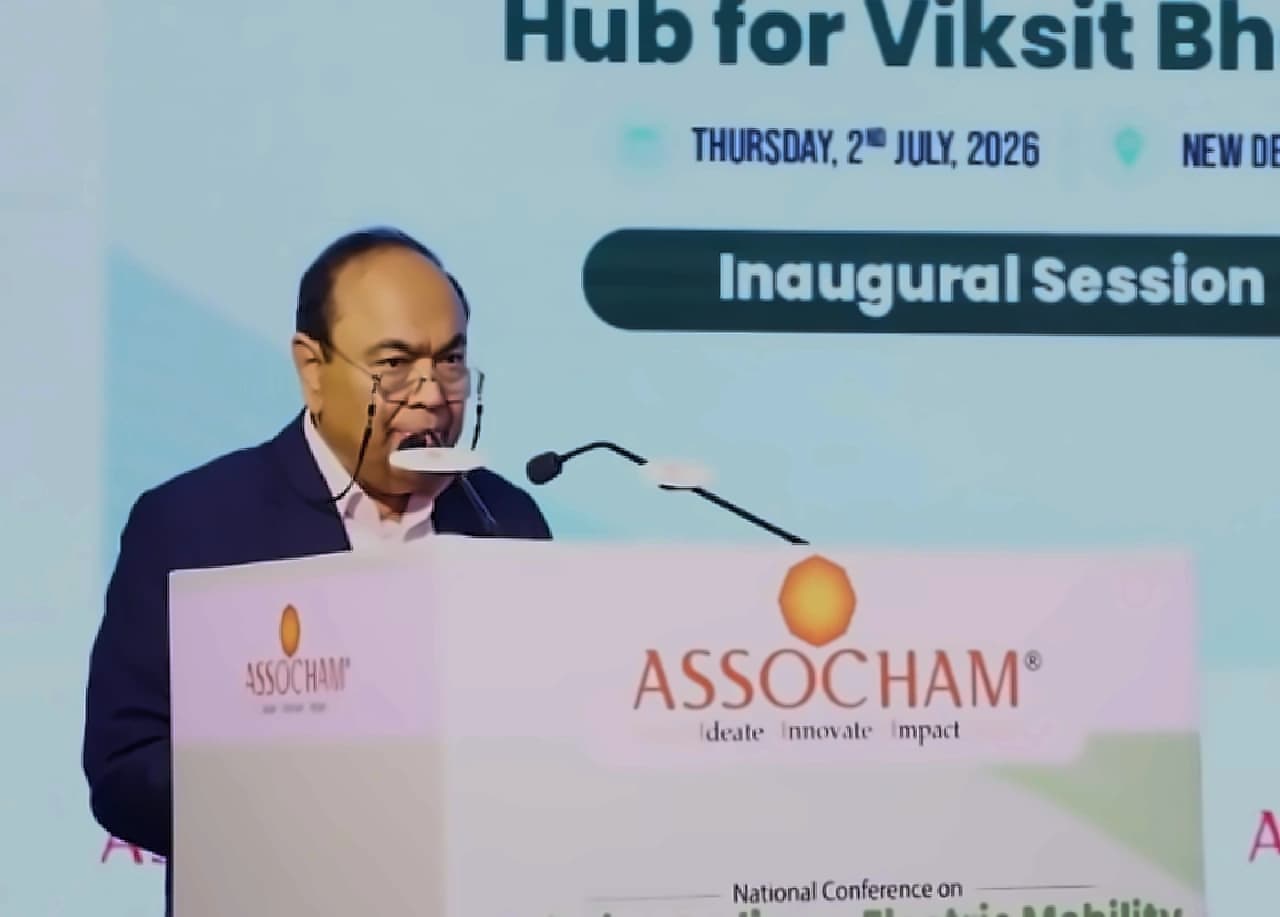
Indian auto-component exporters should add capacity to serve new markets rather than shift existing capacity from established markets, according to ASSOCHAM President and Uno Minda Group Executive Chairman Nirmal Kumar Minda. Speaking to Moneycontrol, Minda emphasized that the US remains too significant a market for Indian exporters to replace quickly, noting that establishing vendors, suppliers, customers and quality takes time. He advocated for diversifying customer base and avoiding excessive dependence on a single market, stating that suppliers should put their eggs in different baskets for optimal solutions.
The government and industry are implementing sector-specific measures to reduce India's import dependence through systematic analysis and target-setting. As reported by Moneycontrol, Minda explained that the industry is identifying the reasons behind imports in individual sectors and setting targets for how much and by when those imports can be reduced. The approach involves understanding the top five reasons for imports in a particular sector and quantifying the potential benefit of each intervention, with specific targets established for import reduction timelines.
India's manufacturing sector has significant growth potential driven by strong domestic consumption and economic expansion. According to Moneycontrol reports, manufacturing currently contributes around 15-16 percent to GDP and should increase to 25-30 percent over the next five to seven years. With GDP growing at more than 7 percent and potential to grow at 10-12 percent, Minda highlighted that micro, small and medium enterprises (MSMEs) would be central to this expansion, describing this as the right time for manufacturing growth.
Minda called for greater private participation in industrial infrastructure to enable manufacturers to focus capital on manufacturing rather than land and construction. As reported by Moneycontrol, he emphasized that ready-to-use facilities on a rental basis would allow manufacturers to deploy 100 percent of capital towards machinery and equipment. On production-linked incentives, he recommended that benefits under PLI should be available for two-three to three-four years, not for long-term, stating that long-term subsidies are not sustainable and the industry needs to learn to stand on its own feet.
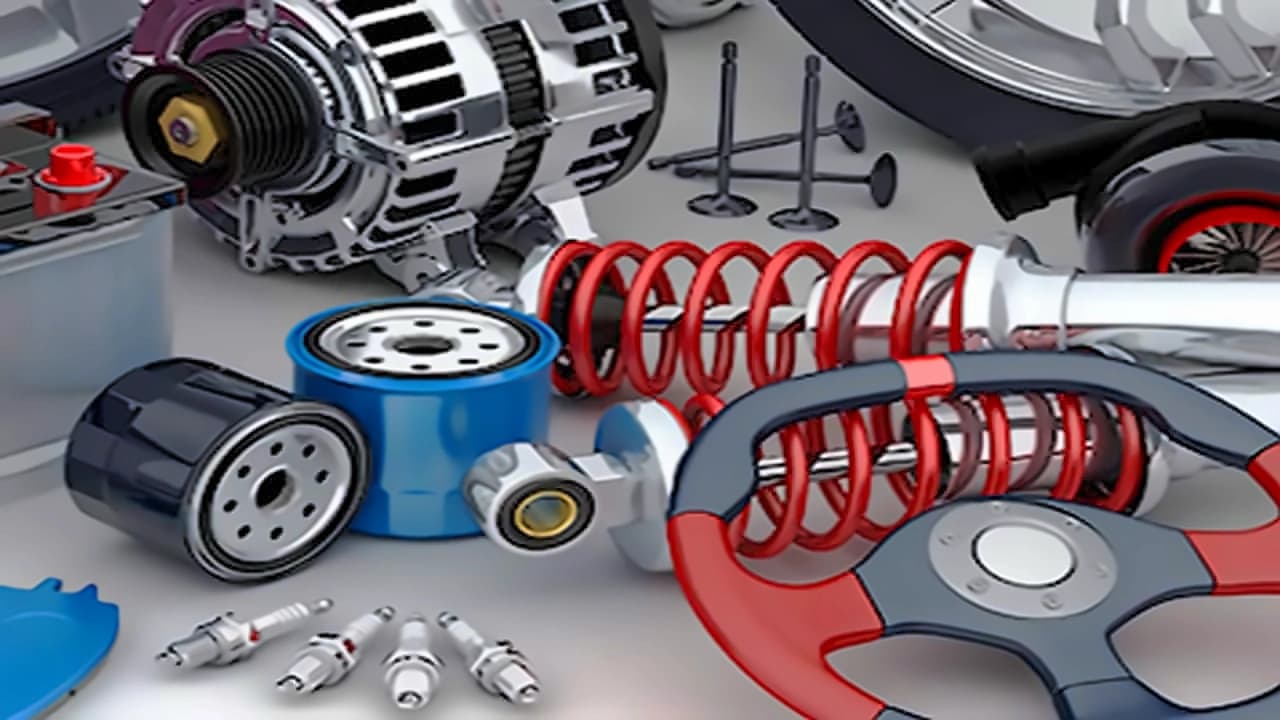
The auto-components sector requires deeper localisation to reduce risks associated with imports while building new capacity to capitalize on export opportunities. According to Moneycontrol reports, Minda stressed that capacity should increase rather than shift from one market to another, noting that if demand increases in Europe or other markets due to an FTA, manufacturers should add capacity rather than move existing capacity. He emphasized that manufacturers would need to improve productivity and quality through technology, artificial intelligence and skills to become larger global supply-chain partners.
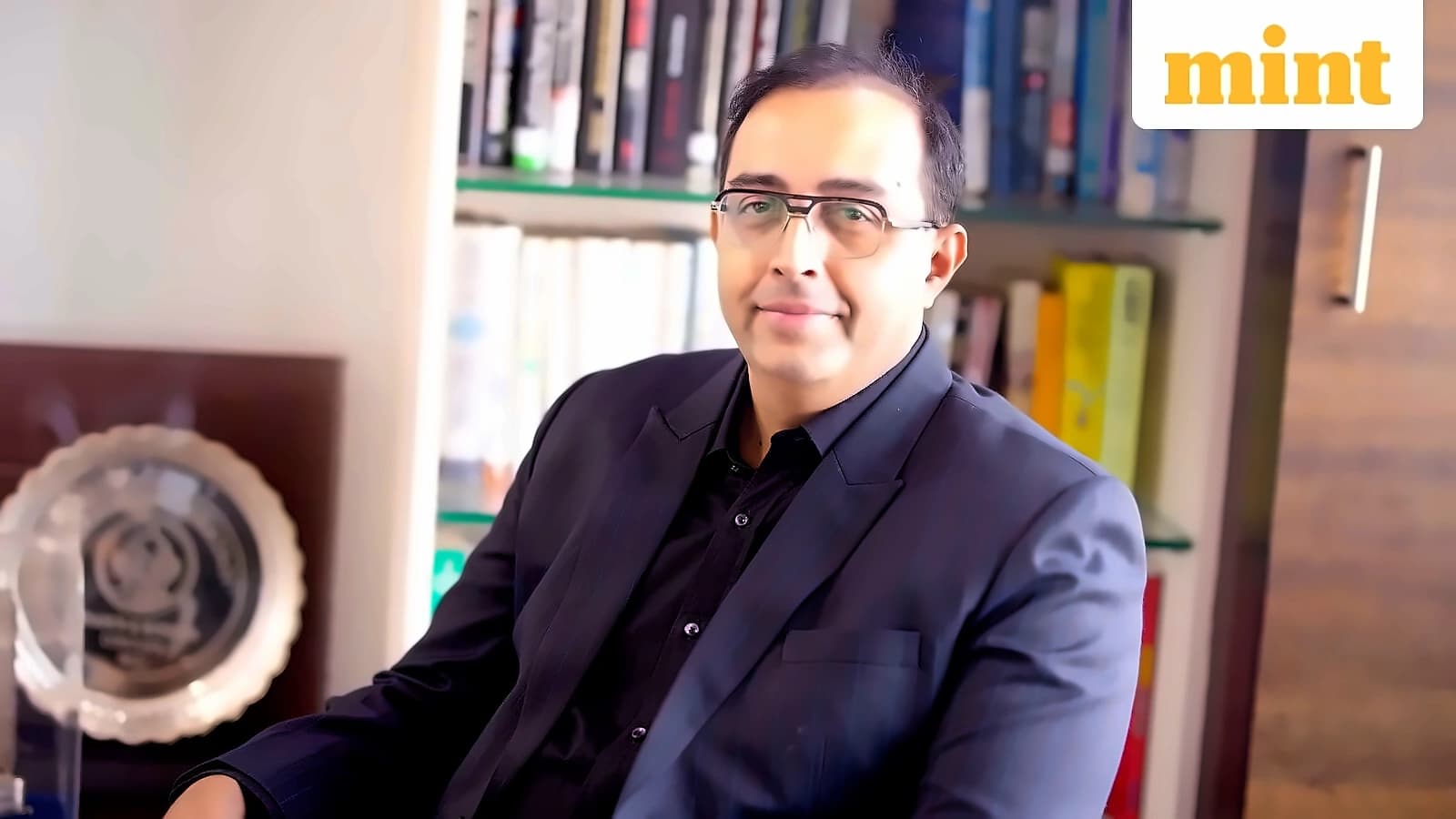
Recent developments demonstrate concrete progress in India's manufacturing capabilities, with Minda Instruments securing Electronics Components Manufacturing Scheme (ECMS) approval to produce automotive display modules. As reported by ETManufacturing, this approval makes Minda Instruments one of only two companies cleared under the latest tranche, with the company planning to set up a greenfield facility for TFT display module assembly as part of its backward integration strategy. The approval is part of a batch of 31 proposals cleared by the Ministry of Electronics and Information Technology (MeitY) on August 17, representing a projected investment of ₹7,877 crore and expected to generate 9,588 direct jobs. Cumulative investment approved under the scheme has reached ₹69,548 crore across 15 states.