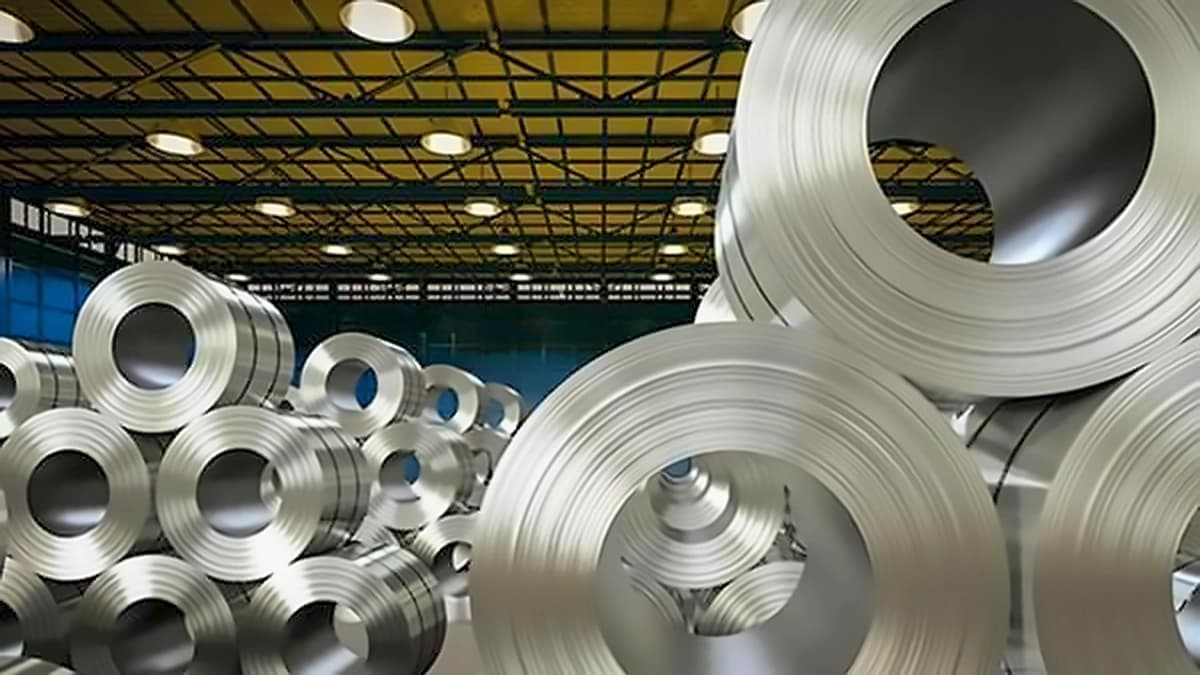
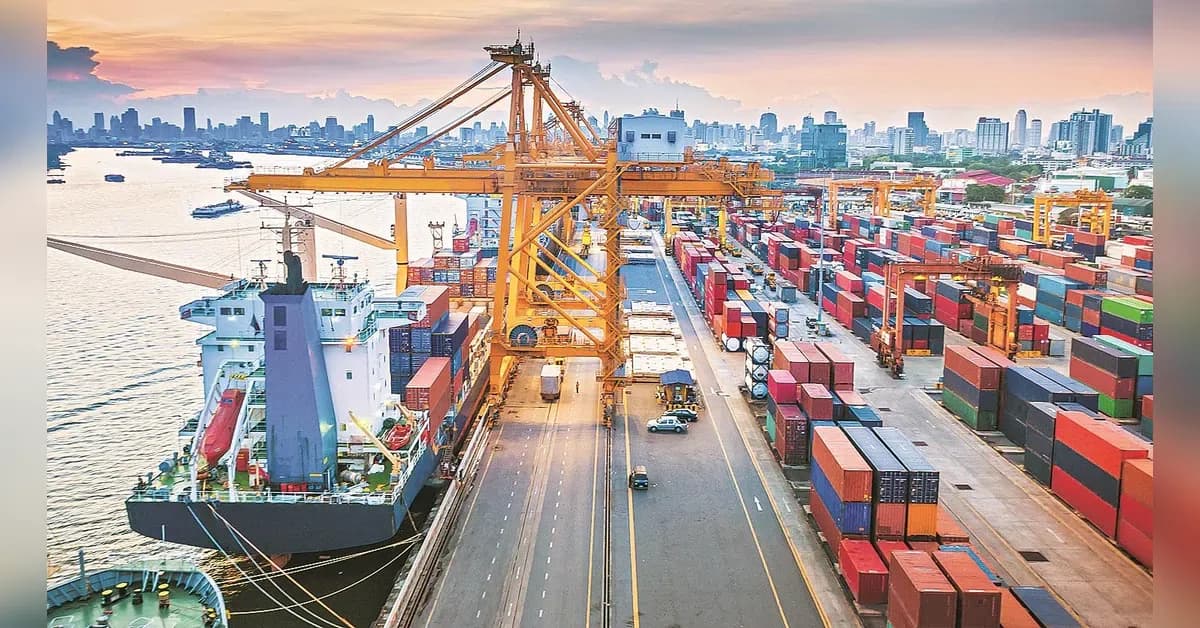
India has formally requested relief from the European Union's planned curbs on metal scrap exports, as steel and aluminium makers warn the measures could tighten supplies and raise costs. According to Business Standard, the EU's revised waste shipment regulation, set to take effect from May 2027, will bar exports of non-hazardous waste to countries outside the OECD group of mostly developed economies unless approved by November 2026. Industry representatives have raised the scrap curbs issue with India's trade ministry, with India formally applying to retain access to recyclable materials under the new regime. As per Reuters, export quotas rather than a complete ban could be one of the relief measures, according to a government official who sought anonymity.
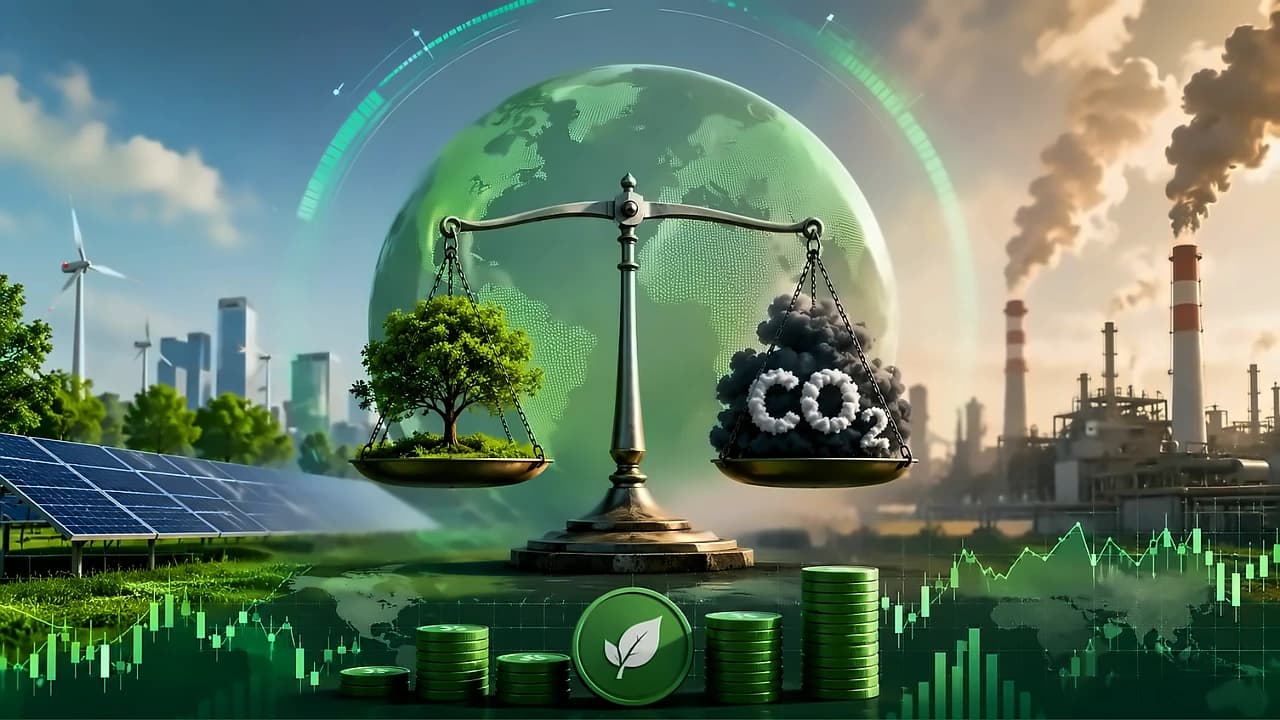
According to a new study by ICRIER, the EU's Carbon Border Adjustment Mechanism could reduce India's steel exports to the European Union by 24 per cent. As reported by Business Standard, the mechanism imposes carbon taxes on imports based on their reported carbon content, creating a significant burden for Indian steel exporters. The study, titled Carbon Border Adjustment Mechanism (CBAM): Impact on India's Steel Exports to the EU and Carbon Tax Incidence, indicates that the carbon tax burden falls directly on Indian firms, adversely affecting their export gains to the EU market.
Following the full implementation of CBAM in January, India's iron and steel exports to the EU recorded a 13 per cent decline in the four months through April, according to data from the Department of Commerce. According to the ICRIER report, fertilisers and aluminium products, followed by metal products, are expected to be the most severely impacted by the CBAM implementation. The mechanism currently applies carbon taxes to iron and steel, aluminium, cement, fertilisers, hydrogen and electricity, creating a comprehensive impact across multiple sectors. India imported about 366,000 tons of aluminium scrap from the EU in 2025 and was the bloc's top buyer in the first quarter of 2026, according to industry estimates.
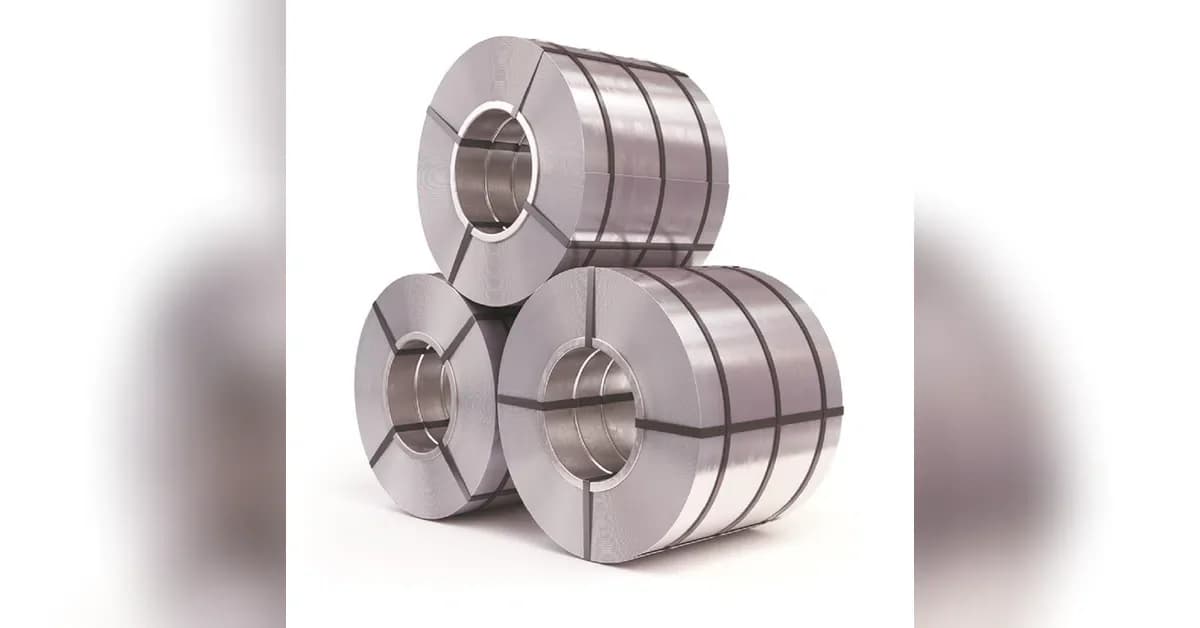
Despite the free trade agreement concluded in late January, CBAM remains a significant challenge for India's export growth to the EU region. As reported by Business Standard, CBAM was a major sticking point during negotiations and was the last issue to be resolved between the two economies. Under the FTA, New Delhi has secured commitments for enhanced technical cooperation on carbon price recognition and verification processes. The EU has also assured that it would extend CBAM flexibilities to India if they are extended to any other nation in the future. This year's trade deal between India and the EU is set to take effect early next year, though it does not provide direct relief from EU carbon emission levies.
To offset the projected export losses, ICRIER recommends that India pursue a dual strategy of boosting export competitiveness and accelerating decarbonisation in the iron and steel sector. According to the report, this approach should align with India's Long-Term Low Emissions Development Strategy (LT-LEDS) and net-zero 2070 commitment. On the carbon pricing front, India should establish or strengthen domestic carbon pricing mechanisms through a domestic carbon tax or by leveraging the Carbon Credit Trading Scheme. The report also recommends that India actively advocate for a differentiated CBAM tax rate for developing economies in international forums.