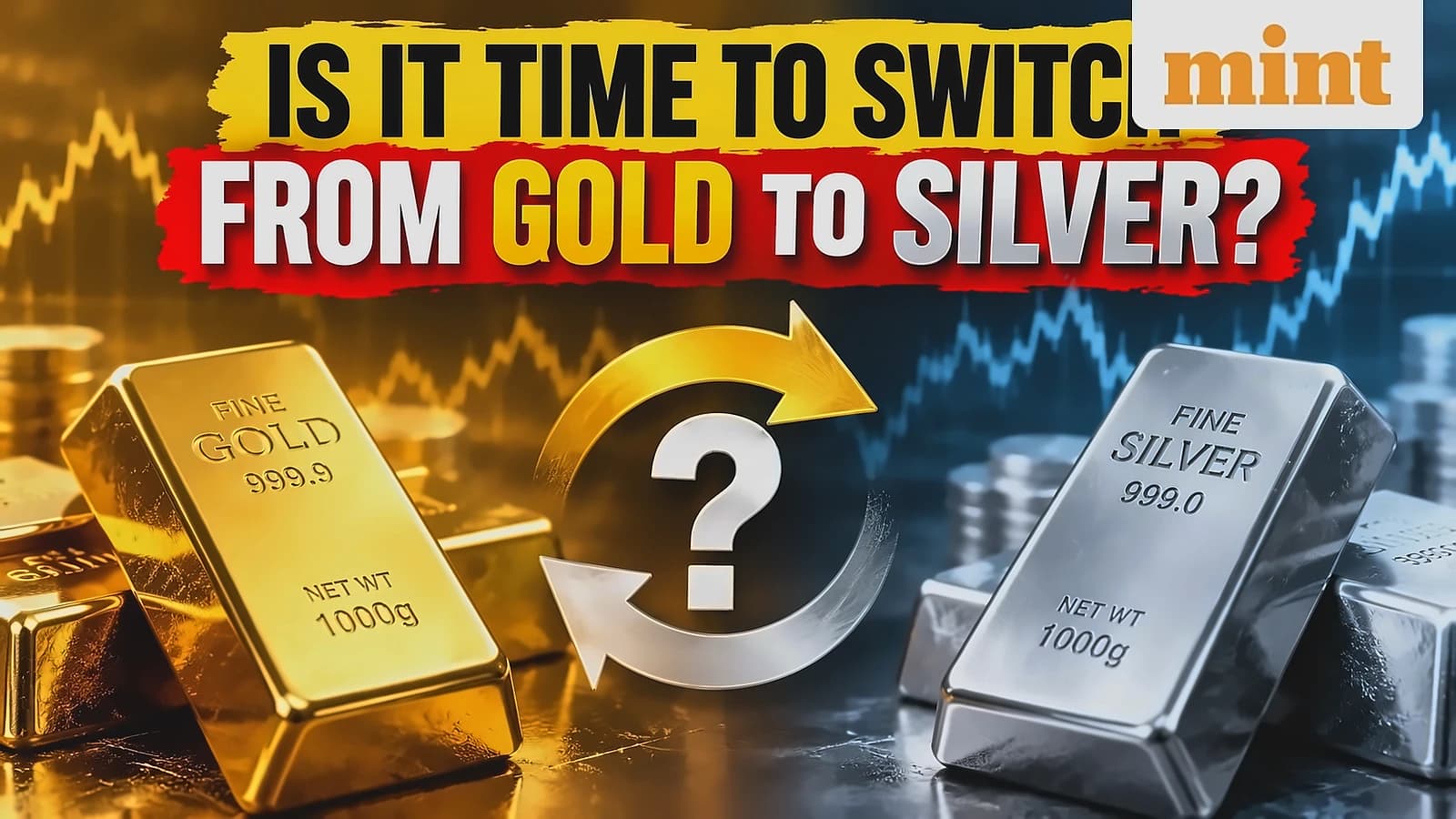
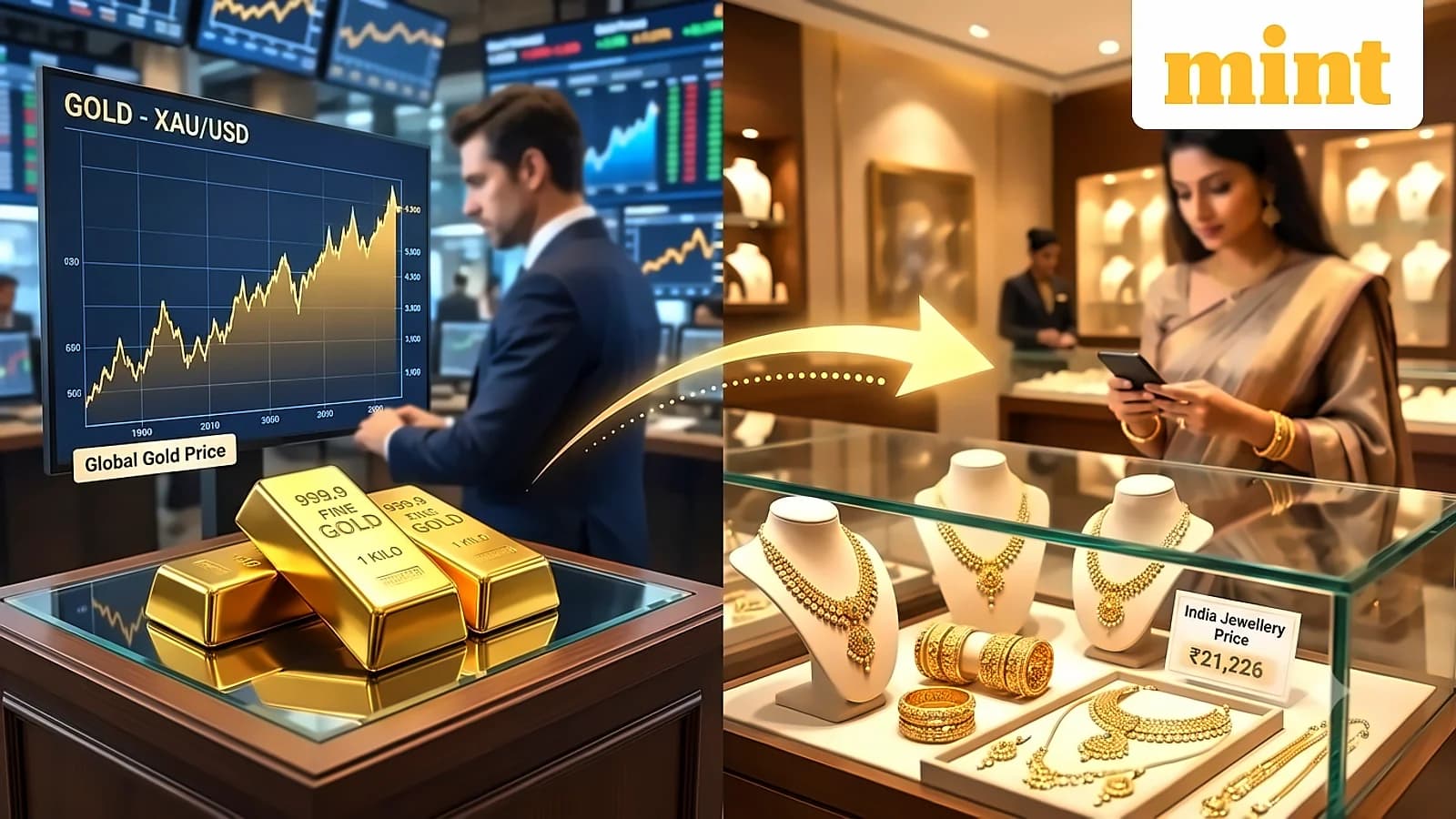
Gold and silver are currently trading at $4,434 per ounce and $66.95 per ounce respectively, creating a gold-silver ratio of 66. According to CNBC TV18, MCX October gold futures were at ₹1.53 lakh per 10 grams, up 0.14%, while December silver futures stood at ₹2.38 lakh per kg, down 0.08%. In the Indian market, gold is priced at ₹1,54,494 and silver at ₹2,35,827 on the MCX spot market. The ratio remains within the historical range of 60 to 70, though it has been maintained over the last six months except for a brief dip below 55 in May 2025.
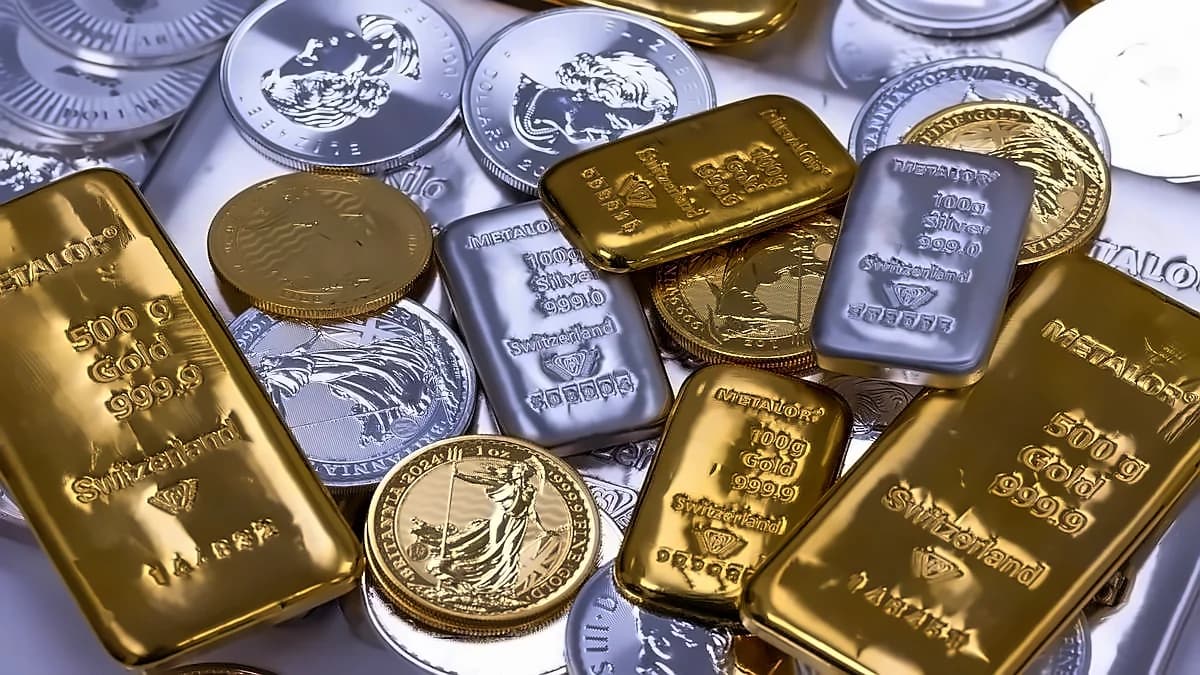
According to Monarch PMS analysis, gold's modelled fair-value range is $3,248-$4,595 per ounce with a midpoint of $3,922 per ounce. At around $4,355 per ounce as of September 8, gold was trading about 8% above this midpoint but still roughly 8% below the upper end of the estimated range. The firm noted that gold's January peak of $5,589 per ounce represented a significant overshoot of its modelled range, being 22% above the upper ceiling. Silver presents a different picture, with Monarch PMS using the gold-silver ratio to assess valuation, estimating a silver range of $54-$77 per ounce with a midpoint of $65. At around $61.7 per ounce, silver was about 6% below this midpoint, making it relatively cheaper than gold on their valuation framework.
According to CNBC TV18, gold and silver outperformed other asset classes due to a weaker dollar, stagflation concerns, fiscal expansion, and geopolitical uncertainty. However, since the start of the Iran war, the landscape has significantly changed with gold up 3.3% and silver down 11% in 2026. The Iran conflict has pushed oil prices higher, contributing to elevated US CPI and PPI inflation, making a 2026 rate cut less likely. A softer dollar can support both metals by making dollar-denominated commodities relatively cheaper for holders of other currencies, with silver benefiting from both investment and industrial demand profiles.
As reported by CNBC TV18, the immediate market focus is on upcoming US inflation data, particularly the producer price index (PPI) and consumer price index (CPI). These readings could influence expectations about the Federal Reserve's rate path. Markets are now pricing in over 60% chance of a 25bps increase in the federal funds rate this month. The combination of elevated oil prices and fading hopes of a US-Iran deal is putting short-term pressure on both gold and silver, with rising US Treasury yields signaling a higher-rate environment ahead.
According to CNBC TV18, analyst Gaurav Garg from Lemonn identified ₹2.36 lakh per kg as support and ₹2.42 lakh per kg as resistance for MCX silver. For gold, Nirpendra Yadav from Bonanza said gold remains range-bound with $4,300-$4,500 per ounce emerging as an important technical range. The gold-silver ratio had fallen to around 46 in January, indicating that silver had become expensive relative to gold, before moving back to around 69, close to its 21st-century average of 69:1. For long-term investors, the combination of global metal prices and rupee movement remains important, with a weaker rupee potentially amplifying gains in domestic gold and silver prices when international prices rise.