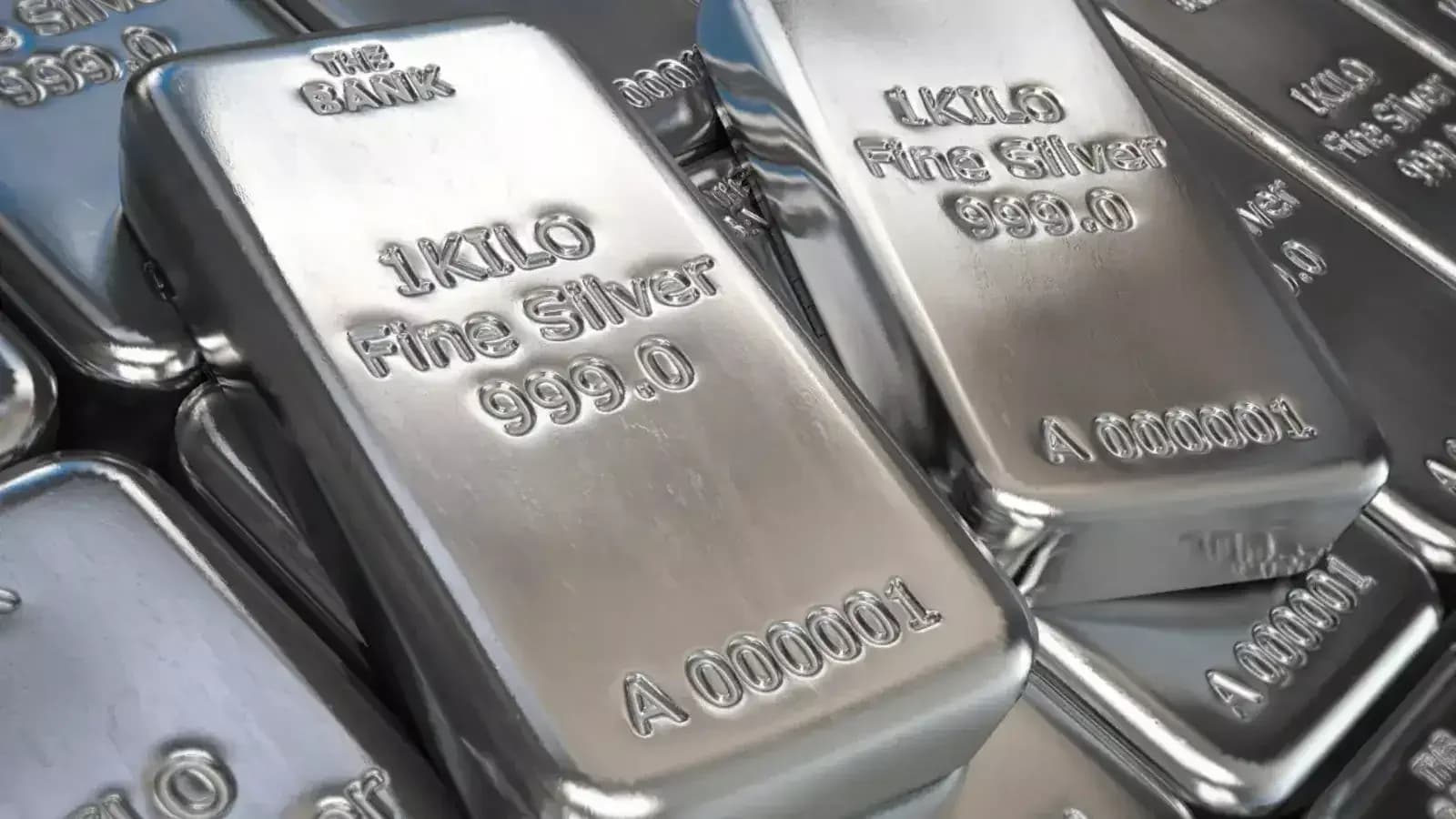
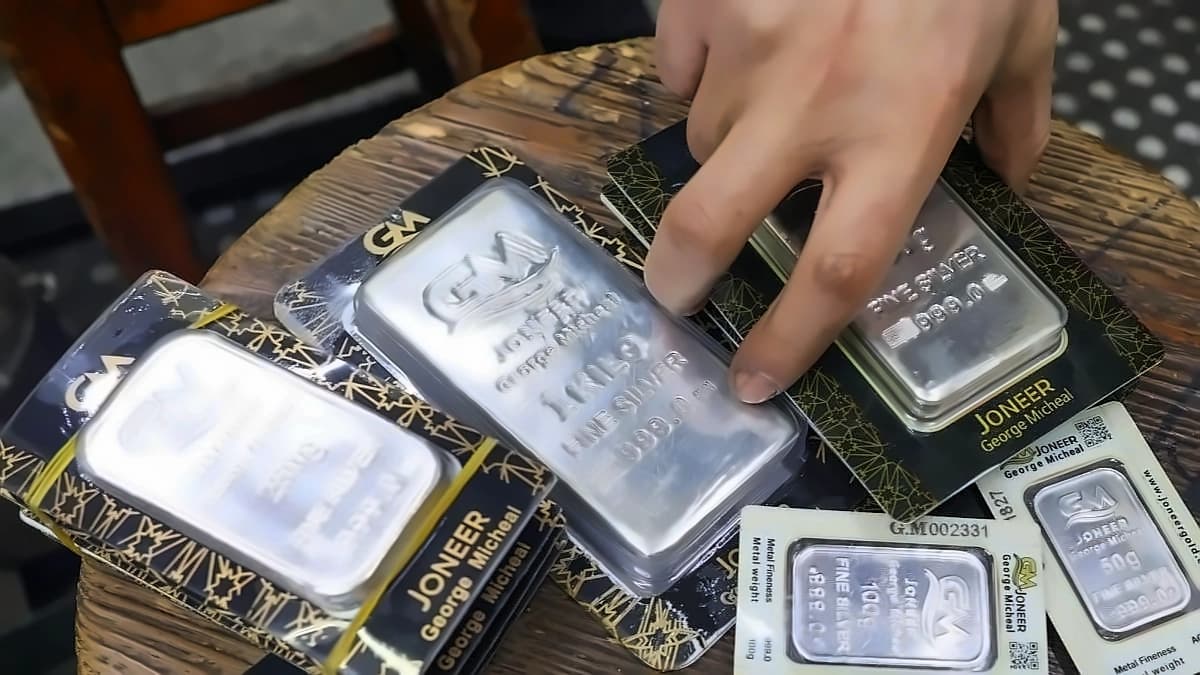
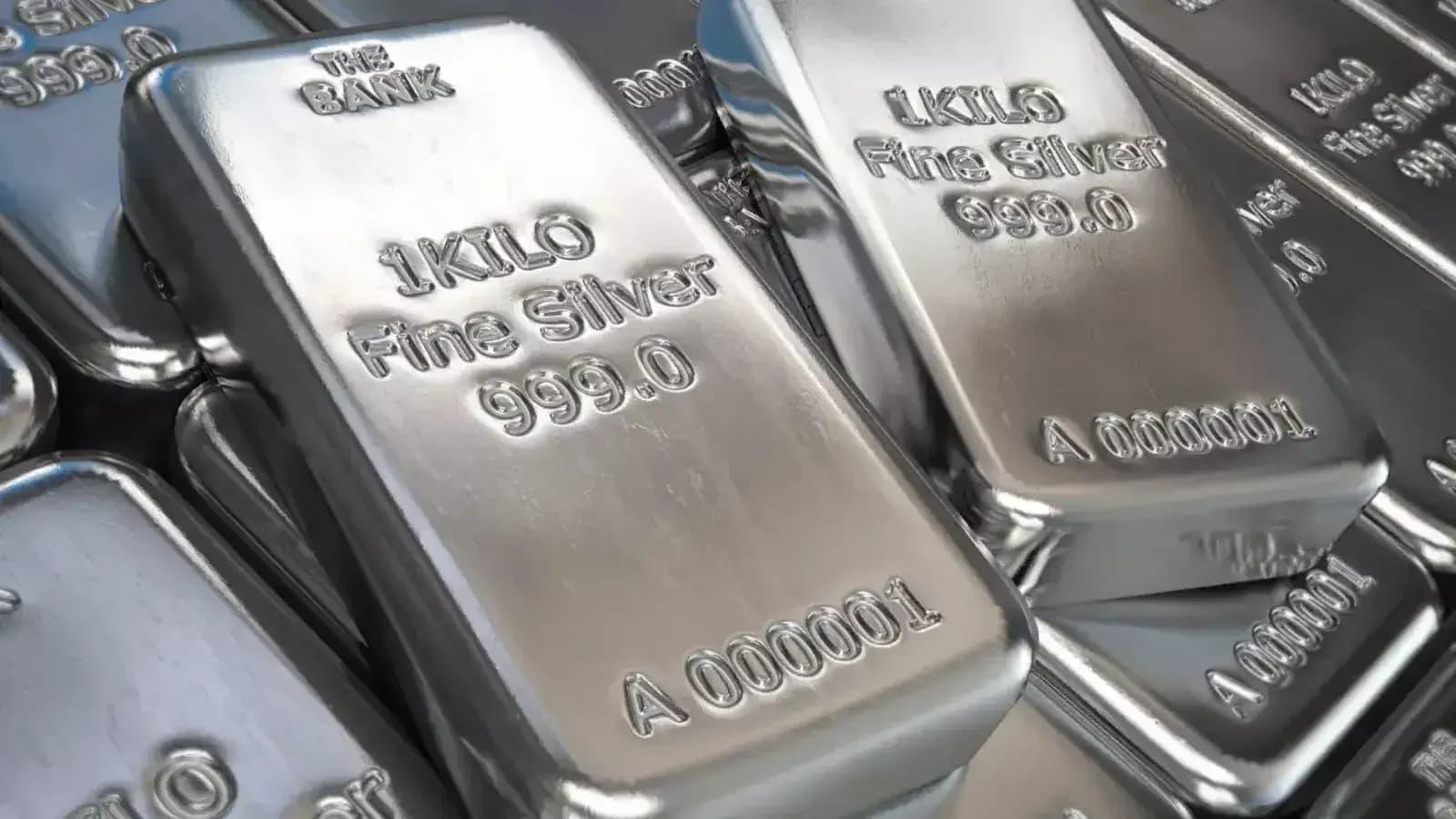
Silver prices have continued their downward trajectory, declining by ₹1,832 to ₹2.70 lakh per kilogram in Monday's futures trade as a rally in crude oil rates amplified inflation concerns. According to The Hindu BusinessLine, the white metal for July delivery depreciated by ₹1,832, or nearly 1 per cent, to ₹2,70,054 per kilogram, extending losses for the third straight session. In international markets, Comex silver futures for the July contract fell nearly 3 per cent to USD 75.48 per ounce in New York. The selloff marks a dramatic reversal from the metal's record high of ₹4.39 lakh in January, with silver prices having corrected nearly 40% in just four months.
The government implemented significant policy changes on May 13, hiking import duty on precious metals from 6% to 15%, with the effective duty including 3% IGST reaching over 18%. As reported by The Hindu BusinessLine, the duty hike was implemented to control forex outflow by curbing non-essential imports. According to Manav Modi, Commodities Analyst at Motilal Oswal Financial Services Ltd, the government's latest curbs on silver imports were shifted from "Free" to "Restricted," tightening supply conditions and creating sharp volatility in MCX prices while weakening physical demand sentiment. The higher duty is expected to weigh heavily on domestic consumption, as India remains the world's largest silver importer.
The latest price decline was primarily driven by a crude oil rally that surged above USD 111 per barrel, driven by escalating geopolitical tensions in the Middle East and rising fears of supply disruptions. As noted by Gaurav Garg, Research Analyst at Lemonn Markets Desk, the surge in crude oil prices has fuelled inflation concerns globally, strengthening expectations that major global central banks may maintain a tighter monetary policy stance for longer, which in turn pressured precious metals. According to analysts, the rally in crude oil rates amplified inflation concerns and the strength of the US dollar in overseas markets weighed on investors' sentiment, with silver witnessing sharper selling pressure as industrial demand concerns and profit booking weighed on sentiment.
According to Ponmudi R from The Economic Times, geopolitical tensions linked to the Iran conflict initially triggered safe-haven buying across precious metals. However, markets later began focusing on the potential impact of prolonged elevated oil prices on global growth momentum. The concern tends to affect industrial metals more heavily than pure defensive assets, causing silver to increasingly trade like an industrial commodity rather than a traditional safe-haven hedge. Earlier this month, Tata Mutual Fund noted that the weakening global economic outlook could restrict silver demand over the medium term, citing slower solar installations and unwinding of large long positions. Additionally, investor sentiment remained cautious after the United Arab Emirates blamed a fire near its nuclear facility on a drone allegedly launched by Iran or its proxies, raising fears of further escalation in the region.
MCX silver opened with a sharp gap-down and is currently holding above the ₹2,73,000 mark. Immediate resistance is seen in the ₹2,76,000-₹2,77,000 zone, with a sustained move above these levels potentially helping prices stabilise and triggering a recovery toward ₹2,81,000-₹2,83,000. On the downside, a breach below ₹2,71,000 may drag prices back into the earlier consolidation band of ₹2,68,000-₹2,67,000. For now, the near-term outlook remains cautious and heavily dependent on safe-haven demand amid ongoing geopolitical uncertainty. Despite near-term weakness, brokerage firm Kotak Neo said persistent supply tightness, geopolitical risks and resilience industrial demand continue to support silver, noting that silver continues to be a compelling long-term structural story supported by rising demand from AI infrastructure, green energy expansion, and electric vehicles.