Crude oil futures experienced sharp gains on Wednesday morning following the US-Saudi military strikes on Iran-backed targets in Iraq. At 9:35 am on Wednesday, October Brent oil futures reached $85.23, up 3.84%, while September WTI crude futures traded at $82.63, gaining 4.25%. On the Multi Commodity Exchange (MCX), August crude futures were trading at ₹7941, up 4.45% from the previous close of ₹7603, with September futures at ₹7746, rising 3.99% from ₹7449. According to The Hindu BusinessLine, the price surge comes after a heavy sell-off in the oil market over the last three days, with analysts noting that these developments throw cold water on the idea of a swift de-escalation in the Persian Gulf region.
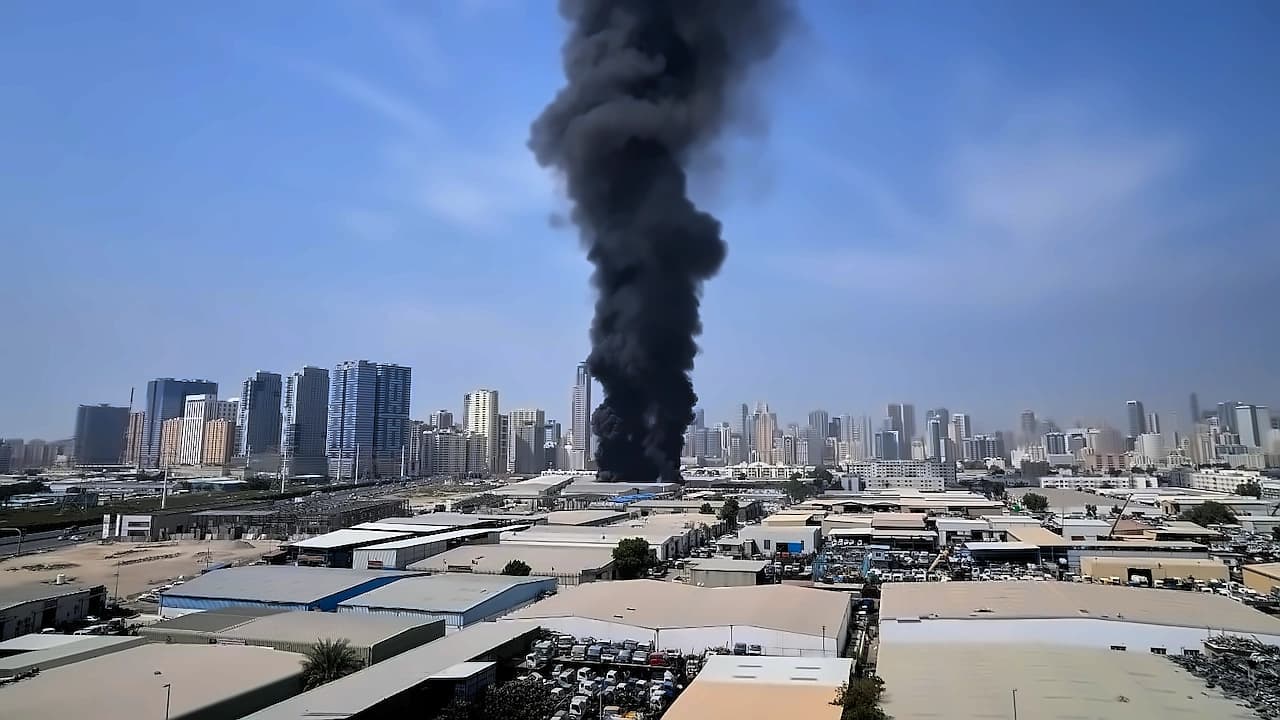
US and Saudi fighter aircraft struck multiple terrorist logistics and weapons sites across eastern Iraq in a strong response to over 30 IRGC-directed aerial drone attacks in the last 72 hours, according to US Central Command. The military action represents a significant escalation in the ongoing tensions, with the US military successfully intercepting all Iranian ballistic missiles launched at American forces in West Asia on Tuesday. As per US Central Command, all Iranian missiles were successfully intercepted, with forces remaining 'vigilant and at a high state of readiness'. The attack shattered a brief pause in fighting as mediators tried to get both sides back to negotiations and toward a ceasefire. A statement by the US Central Command confirmed that the Central Command and the Saudi Arabian Armed Forces conducted precision strikes on July 28, against Iran-aligned terrorists that the Islamic Revolutionary Guard Corps (IRGC) directed to attack US forces and Saudi energy infrastructure.
Saudi Arabia's air defence systems have successfully intercepted and destroyed multiple drones targeting petroleum installations in the kingdom for the second consecutive day. According to the kingdom's defence ministry statement, as reported by Anadolu, the unmanned aerial vehicles made an effort to strike oil facilities in the eastern part of Saudi Arabia. Major General Turki Al-Maliki, the Ministry of Defence's official spokesperson, confirmed that during the past several hours, air defences have intercepted and destroyed many drones that were attempting to target petroleum installations in Riyadh and the Eastern Region. The drones were shot down before they could reach petroleum facilities in the Eastern Province and the Riyadh region, demonstrating the effectiveness of Saudi Arabia's defence infrastructure. With Saudi oil infrastructure increasingly targeted, the risk of more prolonged supply disruptions grows, as analysts note that there are reports that the 400,000 barrels a day Jazan refinery in Saudi Arabia has shut following Houthi attacks over the weekend.
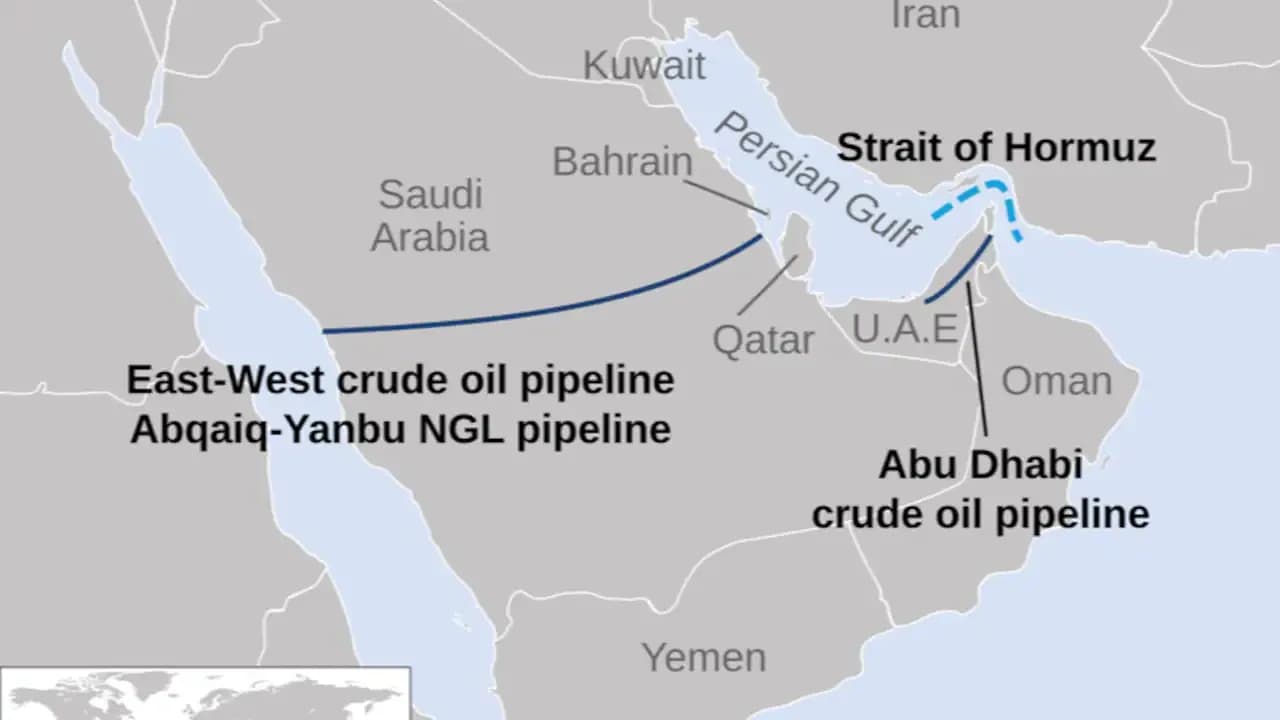
Iraqi Prime Minister Ali al-Zaidi ordered security agencies to investigate after the Saudis alleged similar attacks on Monday. The Iraqi military said in a statement that Iraq is committed to 'preventing Iraqi territory from being used as a route or launching point for any attack targeting brotherly or friendly countries.' However, the Iraqi militias have denied any role in the drone attacks. The Islamic Resistance in Iraq, an umbrella group of Iran-backed armed groups, called the Saudi claims 'fabrications' and implied that Monday's attacks were carried out by the Houthis, who had themselves claimed to have attacked Saudi oil facilities. This denial creates a diplomatic challenge for Iraq, which must balance its commitment to regional security with its own territorial sovereignty. Meanwhile, tanker traffic through the Strait of Hormuz remains essentially halted, with Iran and Oman holding talks on managing vessel transits through the strait, but Iran has rejected Oman's proposal for a 50-50 shipping plan.
The latest developments come as Iran and the US paused their fighting over the weekend, though tensions remain high even as officials said mediators achieved progress in getting the two sides back to negotiations. Iran said Tuesday that US strikes during an earlier period of escalation destroyed an airport and a marine control tower, and caused damage to 12 bridges and two tunnels, among other infrastructure. Meanwhile, Iran-backed Houthi rebels in Yemen claimed to have forced a Saudi oil tanker to turn around as part of their self-styled blockade of the kingdom. The Houthis claim to have fired missiles at the Saudi oil tanker NCC Ghazal, forcing it to turn back. The United Kingdom Maritime Trade Operations Centre said a tanker reported hearing explosions while travelling in the southern Red Sea, with the crew and vessel remaining safe. As per ING Think analysts, these developments throw cold water on the idea of a swift de-escalation in the Persian Gulf, with the unwarranted attacks against US forces being not successful according to the latest reports.