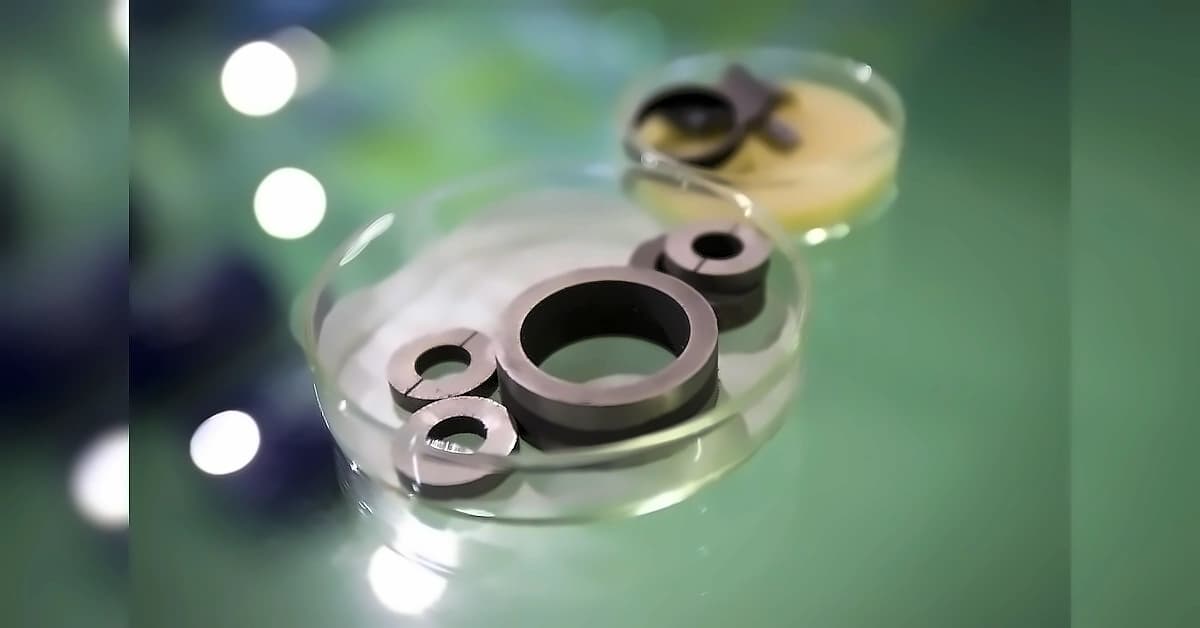
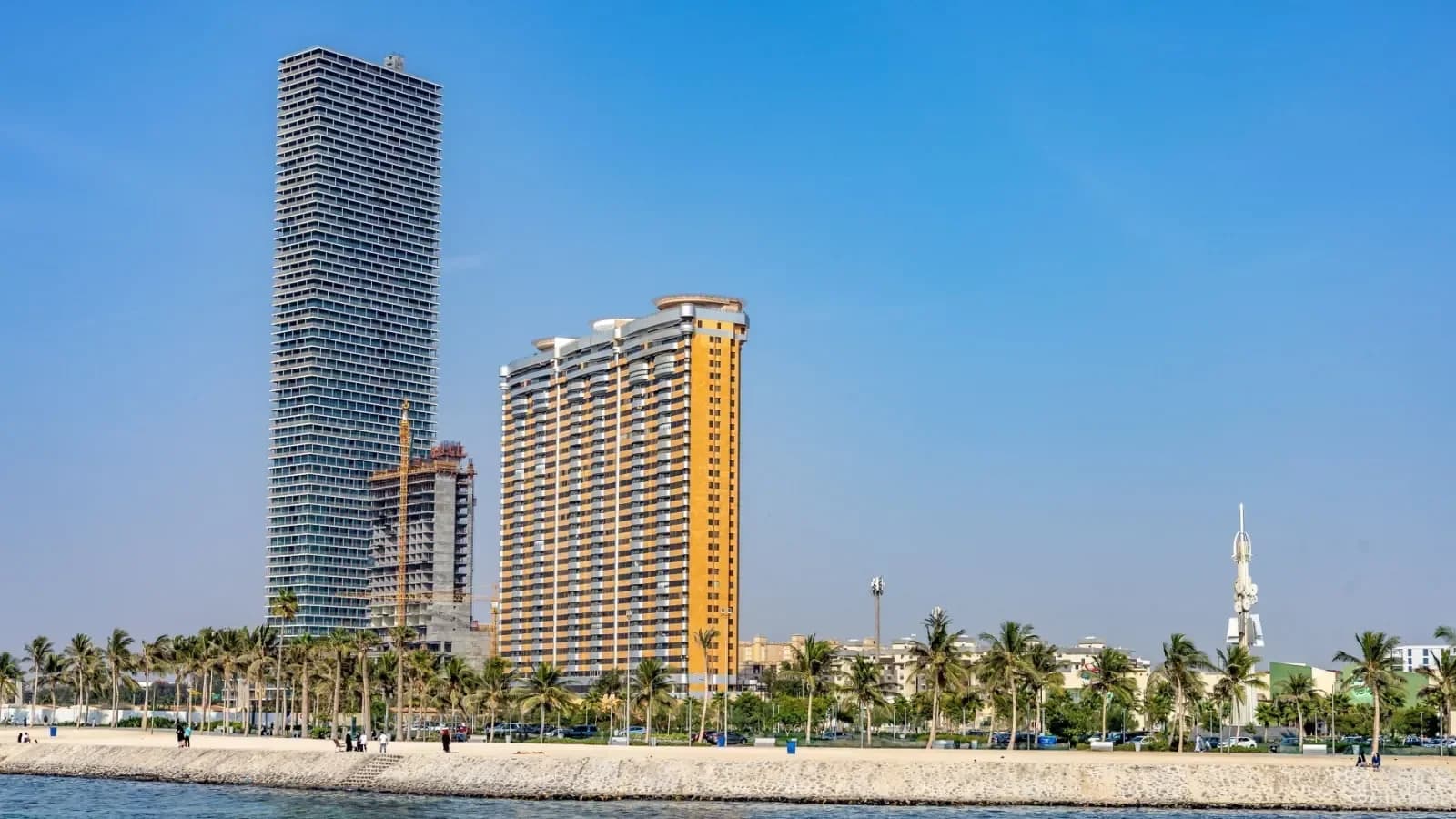
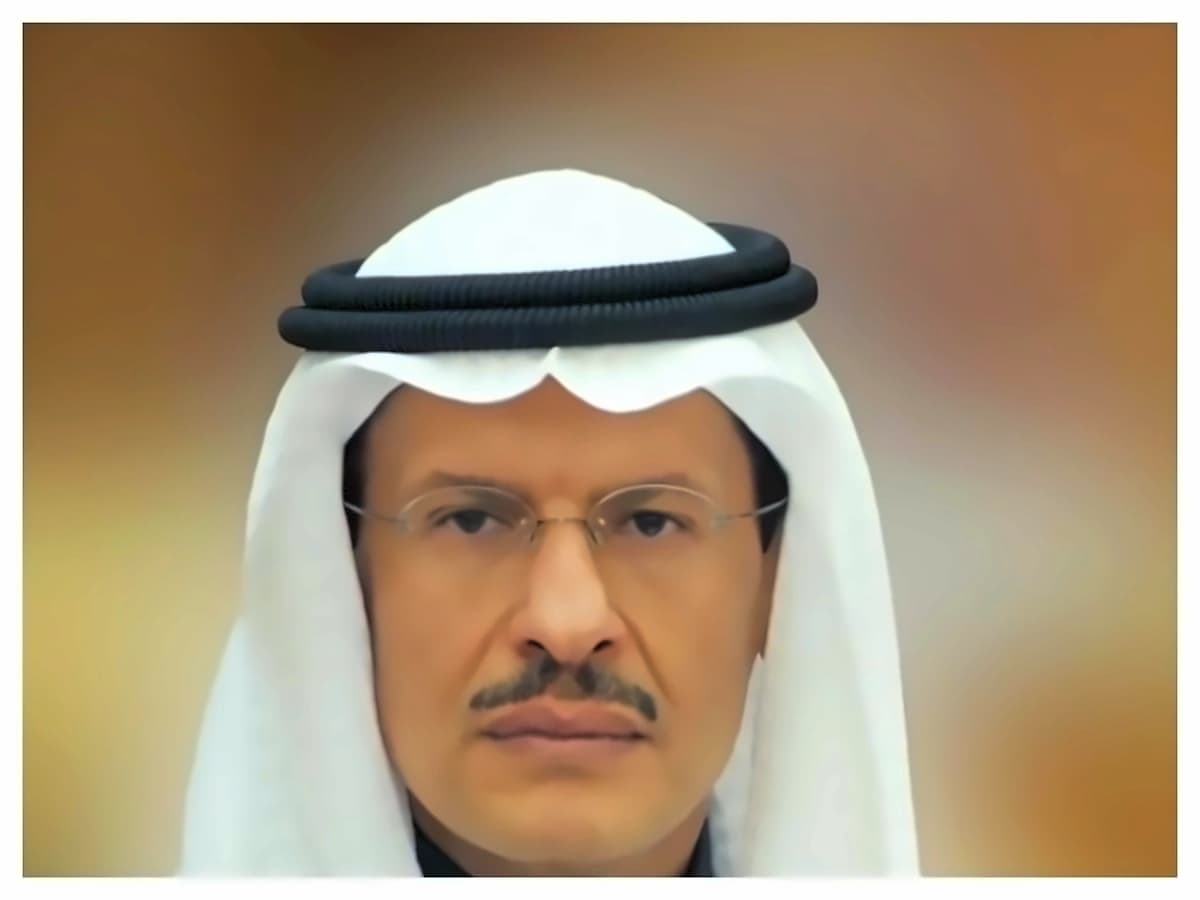
Saudi Arabia has announced the discovery of an estimated 110 million tonnes of ore at its Jabal Sayid project in the Madinah region. According to Energy Minister Prince Abdulaziz bin Salman, as reported by Arab News and Reuters, the announcement was made during the International Atomic Energy Agency (IAEA) General Conference in Vienna on Monday. Exploration and geological studies have revealed high concentrations of rare earth minerals, especially heavy elements, alongside promising concentrations of uranium. The figure represents the estimated quantity of ore in which uranium and rare-earth mineralisation has been identified, though the Saudi government has not yet disclosed the uranium grade, recoverable uranium content, or whether the entire resource would be economically viable to mine.
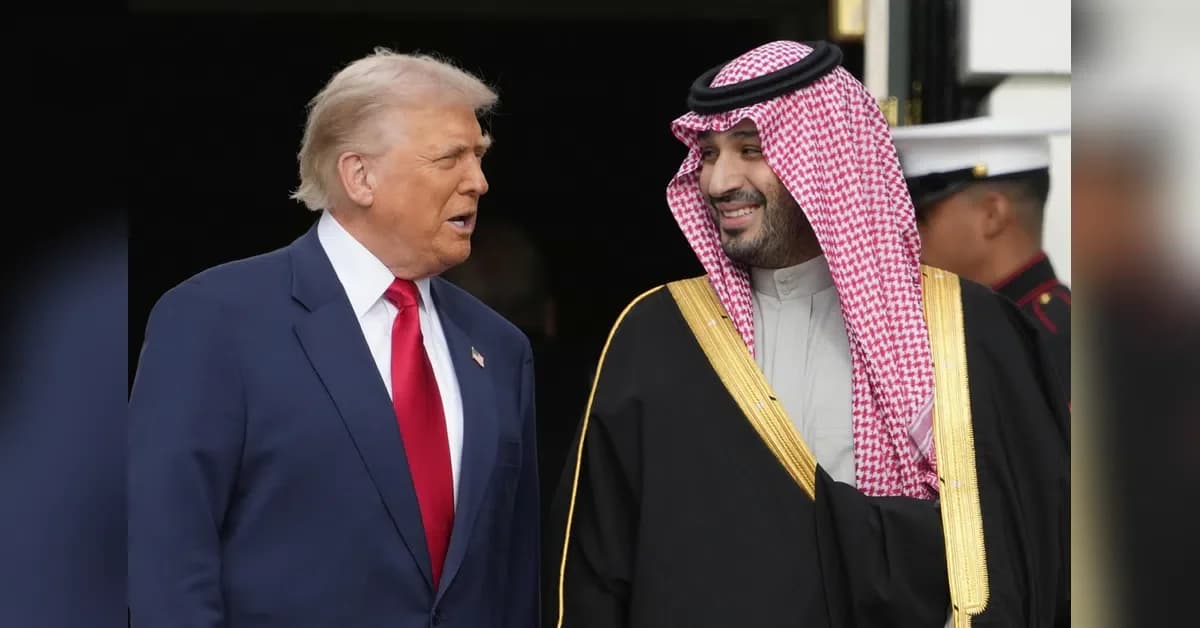
The discovery follows Crown Prince Mohammed bin Salman's November 2025 visit to Washington, which produced a Strategic Framework for Cooperation on critical minerals and a partnership between state miner Ma'aden and US rare earths producer MP Materials. Under this arrangement, the US Department of Defense is financing 49 per cent of a new rare earth processing plant in the Kingdom, with Ma'aden holding a controlling 51 per cent stake. Jabal Sayid is an existing underground copper operation run as a 50:50 joint venture between Ma'aden and Canada's Barrick Mining.
The discovery could become important for Saudi Arabia's long-term ambition to develop a domestic nuclear fuel supply chain. Possessing uranium-bearing resources could potentially reduce reliance on imported nuclear fuel if the deposits prove technically and commercially recoverable. The development follows a major shift in Saudi-US nuclear cooperation, with Washington and Riyadh signing a civil nuclear cooperation agreement in July 2026 that could allow Saudi Arabia to pursue uranium enrichment for its civilian nuclear programme. However, the latest OECD-NEA assessment noted that the Kingdom had no uranium production, though preliminary studies and economic assessments had been undertaken for deposits including Ghurrayyah and Jabal Sayid.
According to analysis by the Center for Strategic and International Studies (CSIS), Jabal Sayid hosts the world's fourth most valuable rare earth resource. The site is estimated to contain approximately 552,000 tonnes of heavy rare earths (dysprosium, terbium), 355,000 tonnes of light rare earths (neodymium, praseodymium), and 31,000 tonnes of uranium. Saudi state media reported that in November 2025, the value of the Kingdom's rare earth discoveries had reached $100 billion, up 90 per cent since 2018, with two advanced-stage exploration zones holding an estimated 644 million tonnes of resources.
The strategy aligns with Saudi Arabia's wider effort to diversify its economy and reduce dependence on hydrocarbons under Vision 2030 through developing mining, minerals processing and alternative energy sources. Riyadh's ambition extends beyond mining raw materials, with plans to develop domestic capabilities covering processing, separation and refining, including the production of rare earth oxides and uranium recovery. The kingdom aims to ultimately achieve yellowcake production capabilities, positioning itself as a comprehensive player in the global critical minerals supply chain while pursuing uranium exploration and assessing opportunities for economic utilisation, including recovery of uranium associated with fertilizer production.