Russian oil prices have experienced dramatic fluctuations as India's crude procurement strategy shifted during the US-Iran conflict. According to reports from The Times of India, Russian crude was initially available at discounts of around $2 per barrel before the war, but reached premiums of up to $20 per barrel at the peak of supply concerns. During brief ceasefires, pricing reversed to discounts of about $10 per barrel before moving back to near parity with Brent as hostilities resumed. The recent decline in oil prices is primarily driven by fading fears of supply disruptions, as traders began unwinding risk premiums as ceasefire negotiations progressed. US oil prices collapsed below $87 per barrel after President Trump canceled planned Iran strikes, with WTI crude dropping nearly 3%.
Indian refiners doubled their Russian crude imports in March as the conflict unfolded, with Russian crude consistently accounting for 40% or more of India's total crude imports since then. As reported by The Times of India, refiners had gradually reduced purchases from Russia over the previous three months due to US sanctions but reversed this trend during the crisis. The effective closure of the Strait of Hormuz in early March left tankers carrying crude from Gulf producers stranded in the Persian Gulf, forcing refiners to urgently secure alternative supplies. However, with renewed hostilities, supply risks and crude oil prices have escalated once more, with oil prices surging 5% after Israel launched fresh strikes on Lebanon, raising fears of renewed Middle East tensions.
The conflict has shown signs of expanding as Iran-backed Houthi rebels in Yemen intensified attacks on commercial vessels in the Red Sea, disrupting exports from Saudi Arabia, India's second-largest crude supplier. According to The Times of India, a marked slowdown in China's crude purchases also released additional Russian cargoes into the market, making more barrels available to India and other importers. Indian refiners broadened their sourcing strategy by purchasing crude from Angola, Gabon and Congo, while Saudi Arabia increased exports through its Red Sea terminals. Saudi Arabia is expected to supply 464,000 barrels per day to India in July, based on arrivals in the first half of the month, after its share slipped to an average 7% in May-June.
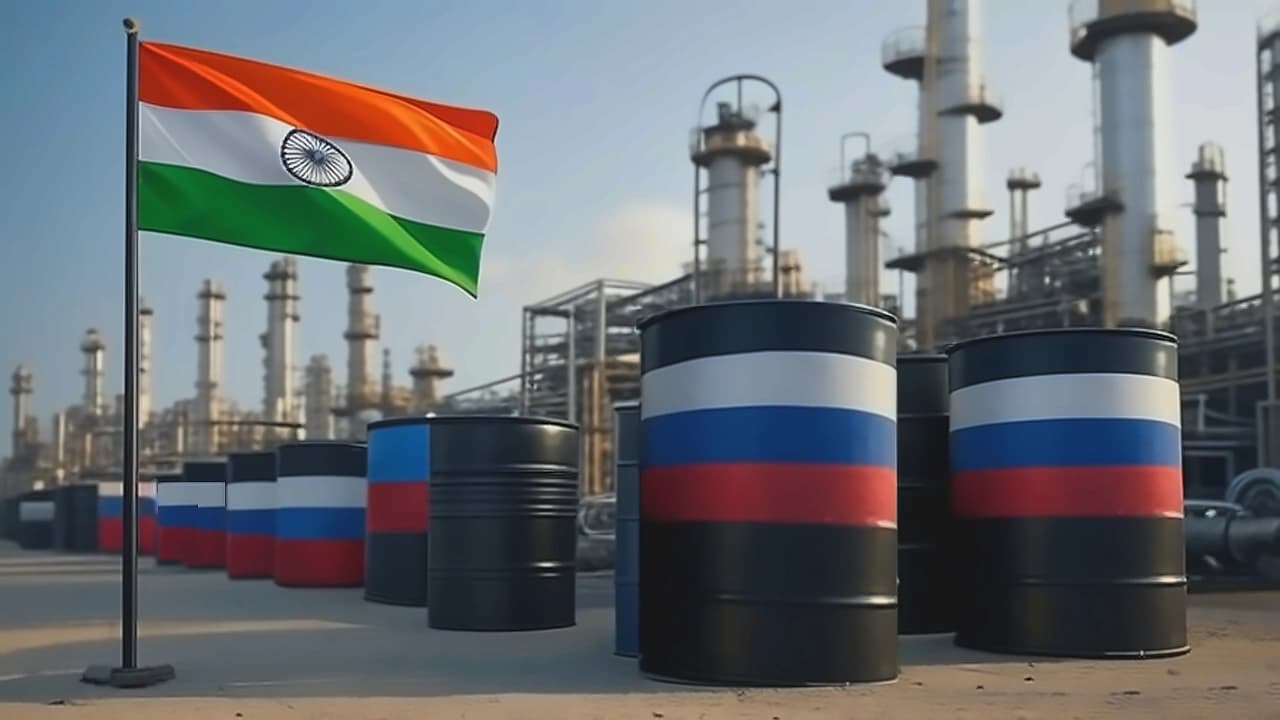
By May, the premium on Russian crude had almost vanished as higher supplies from Brazil, Venezuela, Saudi Arabia and the UAE improved market availability. As reported by The Times of India, the interim agreement between Iran and the US in June restored discounts on Russian crude, with Brent crude falling sharply from more than $120 per barrel in April to about $71 per barrel. However, those discounts have since disappeared following the resumption of hostilities between Iran and the US, with traders becoming increasingly reluctant to offer price concessions amid renewed supply concerns. The landscape of Russian crude prices for Indian refiners has seen considerable volatility, with supply concerns eased and global availability improved before recent escalations.