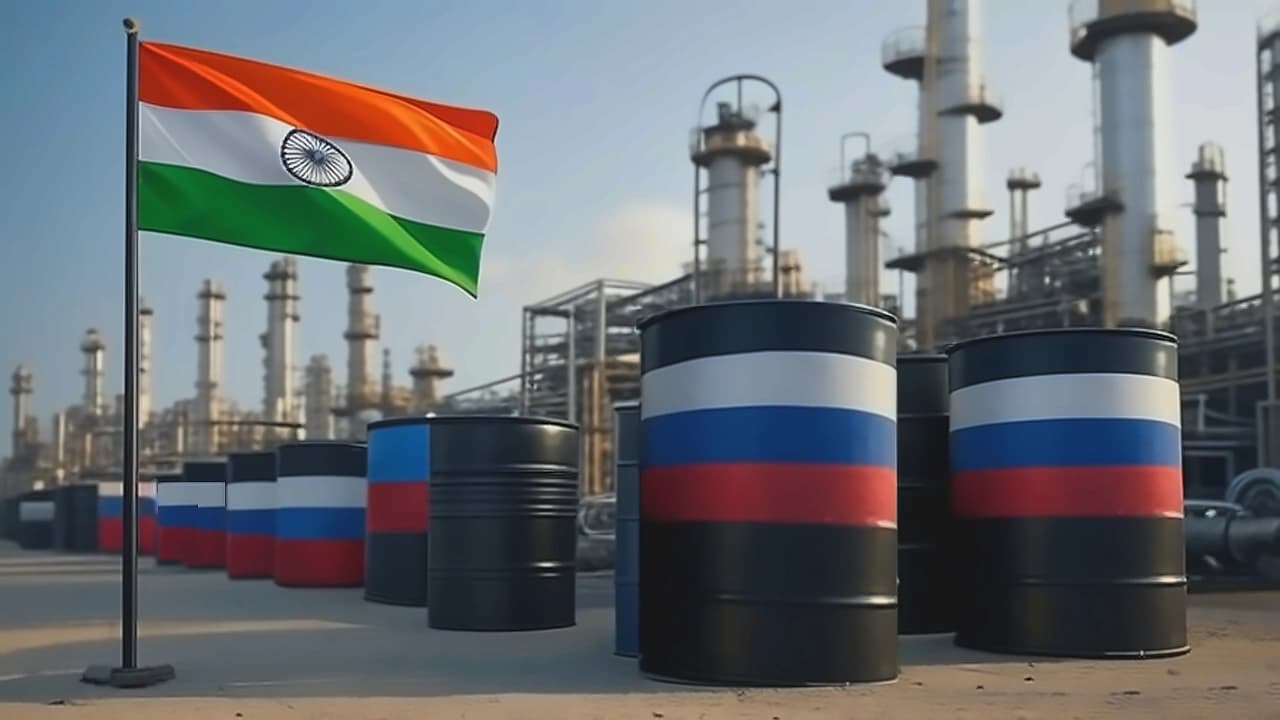
The Trump administration allowed a waiver for Russian oil sales to expire despite ongoing concerns about global oil supplies and rising fuel costs from the Iran war. According to The Economic Times, this move ended a brief period of eased sanctions on some Russian oil, with countries like India and Indonesia having lobbied for extensions due to market tightness. The expiration effectively ends the short period where the administration had eased sanctions on some Russian oil, enabling purchases that would otherwise be barred. Treasury Secretary Scott Bessent initially said the US would not renew the sanctions waiver before ultimately issuing a new authorization two days later, responding to entreaties from countries heavily reliant on crude imports.
Russian Foreign Minister Sergey Lavrov confirmed at the BRICS Summit in Delhi that crude oil supplies from Russia to India have increased significantly despite Western sanctions and mounting geopolitical pressure. Speaking at the summit, Lavrov emphasized that this rise in Russian oil exports to India was reinforcing a strategic energy partnership that has reshaped global trade flows since early 2022. According to reports from ANI, Lavrov stated that 'We published this data in the global media... This information shows that oil supplies to India increased, and it does not depend on us, but on our Indian counterparts.' The strong increase in oil imports demonstrates the strong partnership between both countries in maintaining energy trade relationships despite international pressures, with Russia remaining committed to meeting India's rising energy demands even as US waivers face expiration.
India has continued importing discounted Russian crude since the imposition of Western sanctions on Moscow, maintaining that its energy procurement decisions are guided by national interest and the need to secure affordable supplies for the domestic economy. As reported by ANI, this strategic approach has enabled India to maintain its energy security while navigating the complex geopolitical landscape. Russia has emerged as one of India's largest crude oil suppliers in recent years as trade flows shifted following the Ukraine conflict and sanctions imposed by Western nations. The latest data from the BRICS Summit shows that India is still buying large amounts of discounted Russian oil despite ongoing sanctions from Western countries, especially the US, with the partnership signaling a long-term shift in Moscow's export focus toward the Asian market.
The Iran war and near-closure of the Strait of Hormuz have deprived global markets of millions of barrels of crude daily, creating significant supply disruptions that have sent some buyers scrambling for new cargoes. According to The Economic Times, Brent crude, the global benchmark, has surged since the Iran war began, driving higher prices for gasoline, diesel and other products made from it. The International Energy Agency has called the current energy shock the biggest supply disruption in the history of the oil market. The Trump administration has responded by allowing foreign vessels to carry crude and other commodities between American ports through mid-August and temporarily waiving some domestic fuel specifications to help manage the impact of these supply disruptions.
Lavrov also criticised the United States over its global energy strategy, alleging that Washington was attempting to dominate global energy supply chains while targeting major Russian energy firms. According to ANI reports, Lavrov claimed the US was trying to squeeze Russian companies such as Lukoil and Rosneft out of global markets. This criticism comes amid ongoing tensions over energy trade and sanctions policies affecting major energy producers globally, with the latest developments highlighting the continued resilience of Russia-India energy cooperation despite international pressures and evolving US policy positions on Russian oil purchases.