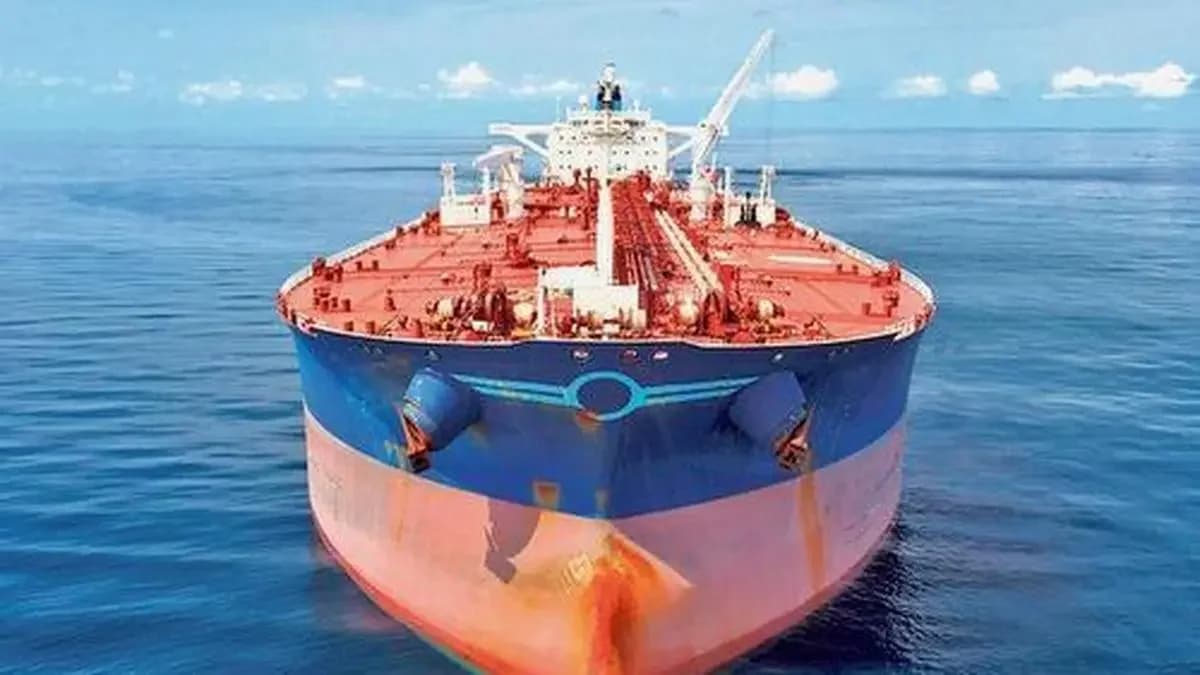
India's fuel exports have reached unprecedented levels, with refined petroleum product exports climbing to 1.53 million barrels per day in July, representing a 27% increase over the previous 12-month average. According to shipping data from analytics firm Kpler, this marks the highest monthly export volume recorded since Kpler began tracking the data in 2017. Reliance Industries supplied around 4-5 million barrels of diesel to Europe during July, marking the highest level in almost 10 months, while exports to Brazil reached an 11-month high of 2.8 million barrels. As per Kpler and Vortexa data, about 4 million to 5 million barrels of diesel were loaded at the refiner's Jamnagar site this month for Europe, returning to levels seen before the U.S.-Iran war started. This significant increase in diesel exports comes as global fuel markets continue to face supply shortages, primarily caused by geopolitical tensions and disruptions in Russian exports.
The increase in diesel exports has been driven by limited supply across several markets, with Europe facing lower stock levels following Russia's restrictions on diesel exports for most of July after Ukrainian drone attacks damaged some refineries. The ongoing conflict involving Iran has further impacted global fuel supplies, affecting diesel prices and refining margins across the market. As traditional trade flows have been disrupted, buyers have been attracted to Indian refiners seeking alternative suppliers. According to Energy Aspects, Europe is expected to face a shortfall of 833,000 barrels per day of middle distillates - diesel and jet fuel - in the third quarter. The situation has been exacerbated by European diesel profit margins hitting a record of $74 a barrel on Wednesday, with the region's stockpiles falling to their lowest since 2014. As per The Times of India, the conflicts in West Asia and Europe have significantly altered global fuel trade patterns by lifting prices and opening new export opportunities, with supply disruptions affecting Russia and Gulf producers reshaping international trade flows.
The situation has created opportunities for Indian refiners such as Reliance to step up exports and fill supply gaps. The company's Jamnagar refinery, one of the world's largest refining complexes, is positioned to meet rising overseas demand as buyers seek alternative suppliers. For Reliance, the higher export volumes will solidify its position as a trusted refiner during changes in global demand while simultaneously strengthening India's status as an important supplier of refined petroleum products. The current supply shortage has made Brazil a key destination for Indian diesel exports after a decline in supplies from Russia, with the U.S.-Iran war and Russian export ban creating additional demand pressures. According to Kpler shiptracking data, Russian exports to Brazil for July have fallen to their lowest in nearly four years, while India's exports to Brazil are on track to hit an 11-month high. According to The Times of India, countries such as Turkey, which have traditionally depended on Russian fuel, are now replacing those supplies with cargoes from India, with record-high diesel refining margins encouraging higher export volumes to Europe.
According to Energy Aspects, the east-west spread has widened to discounts of nearly $140 a ton in recent trading sessions, compared to $80 a metric ton in the first four weeks of July. Despite this wider spread, the economics for shipping diesel from India's west coast using Long-Range 2 ships remain favorable, with freight costs at slightly more than $5 million to charter an LR2 tanker to ship refined fuels from west coast India to Europe. As per LSEG data, the east-west spread widened to discounts of nearly $140 a ton in the past two trading sessions. Diesel margins have also strengthened in Asia to four-month highs of $77 a barrel, with trading sentiment bolstered by tightness in markets west of Suez. The world's second largest crude importer, India has been stepping up fuel exports in the past year, capitalising on its position as a swing barrel supplier to markets both east and west of Suez. According to The Times of India, the completion of maintenance shutdowns at refineries operated by Reliance Industries and Nayara Energy enabled both companies to process larger volumes of crude, while India's crude oil imports from Russia also hit an all-time high of 2.8 million barrels per day in July, supporting higher refinery utilisation rates.