Ukraine's Special Operations Forces announced the destruction of a vital railway bridge over the North Crimean canal in Russian-occupied Crimea on Tuesday. According to Ukraine's SOF post on Telegram, the bridge "no longer exists" and serves as a strategic military and logistical artery for the occupiers. The bridge was used to move cargo, resources and military supplies via the Kerch strait between annexed Crimea and mainland Russian territory. Ukrainian Defense Minister Mykhailo Federov stated that the Ukrainian military is "isolating Crimea with drones," adding that "it looks like in the nearest time, Crimea will become an island." This development represents a significant escalation in Ukraine's strategy to isolate the Russian-annexed peninsula, which Russia annexed in 2014 and has used as a launching point for attacks in its invasion of Ukraine.
Russia is weighing a complete ban on diesel exports to avoid domestic shortages after Ukraine intensified attacks on the nation's refineries. According to reports from NDTV, Deputy Prime Minister Alexander Novak announced the possible prohibition of sales of diesel to foreign markets during a governmental meeting with President Vladimir Putin on Tuesday. Speaking at the meeting, Novak acknowledged that the situation in Russia's fuel market was 'not simple,' although he insisted it remained under control. The comments mark a notable shift from Novak's position earlier this month, when he said there was no immediate need to ban diesel exports for all market participants, although he left the door open to such a move if market conditions deteriorated. Russia currently restricts exports of diesel and marine fuels by non-producers, while gasoline and jet fuel exports are already banned for all market participants. The Vedomosti newspaper reported that imports were raised as an option at a meeting chaired by Deputy Prime Minister Alexander Novak on Monday. Novak told a government meeting chaired by President Vladimir Putin that oil companies had ramped up fuel production to maximum levels and that Russia was capable of dealing with the current challenges.
Russia is considering fuel imports and subsidies for imported products to cap domestic prices and prevent further inflationary pressure, as reported by Reuters. Two industry sources indicated that subsidies on imported fuel were considered with the aim of capping fuel prices, a sensitive issue for the public and an unwanted trigger for wider inflation. The Vedomosti daily reported on Tuesday, citing two unnamed sources, that imports were raised as an option at a meeting on fuel supplies chaired by Deputy Prime Minister Alexander Novak on Monday. Novak also said that oil companies had delayed maintenance work at refineries and were using fuel reserves to meet demand, with relevant amendments to tax legislation prepared in coordination with the government. "We are using reserves that were not previously tapped, and are also encouraging increased supplies of additional volumes to the domestic market," Novak stated during the televised government meeting. The government has put forward tax proposals as part of efforts to support the sector following Ukrainian strikes on Russia's energy infrastructure.
Since the start of the year, Ukrainian drones have attacked Russia's refineries at least 47 times, compared with 82 for all of 2025, according to a Bloomberg tally of public statements from both countries. The attacks have significantly impacted Russia's refining capacity and contributed to the current consideration of export restrictions. President Putin made his first comments about Ukraine's recent strikes on civilian infrastructure, including on Moscow's oil refinery, saying they were a ploy to destabilise society and calling on the government to take additional measures to offset the consequences. Putin stated that "strikes against civilian infrastructure — what are they aimed at? To destabilize society and amid such a massive onslaught, when the entire West is working for them and these drones are coming in huge number, to create a sense of uncertainty about the actions of the Russian armed forces." Ukraine has also launched attacks on oil refineries on Crimea, suspending fuel sales on the peninsula, and damaged a key oil refinery near Moscow on June 18. The city of Sevastopol in Russian-controlled Crimea said it had restricted the operating hours of public transport, shops, cafes, and street lights, and had also banned mass outdoor activities, in addition to previously announced fuel sale limits.
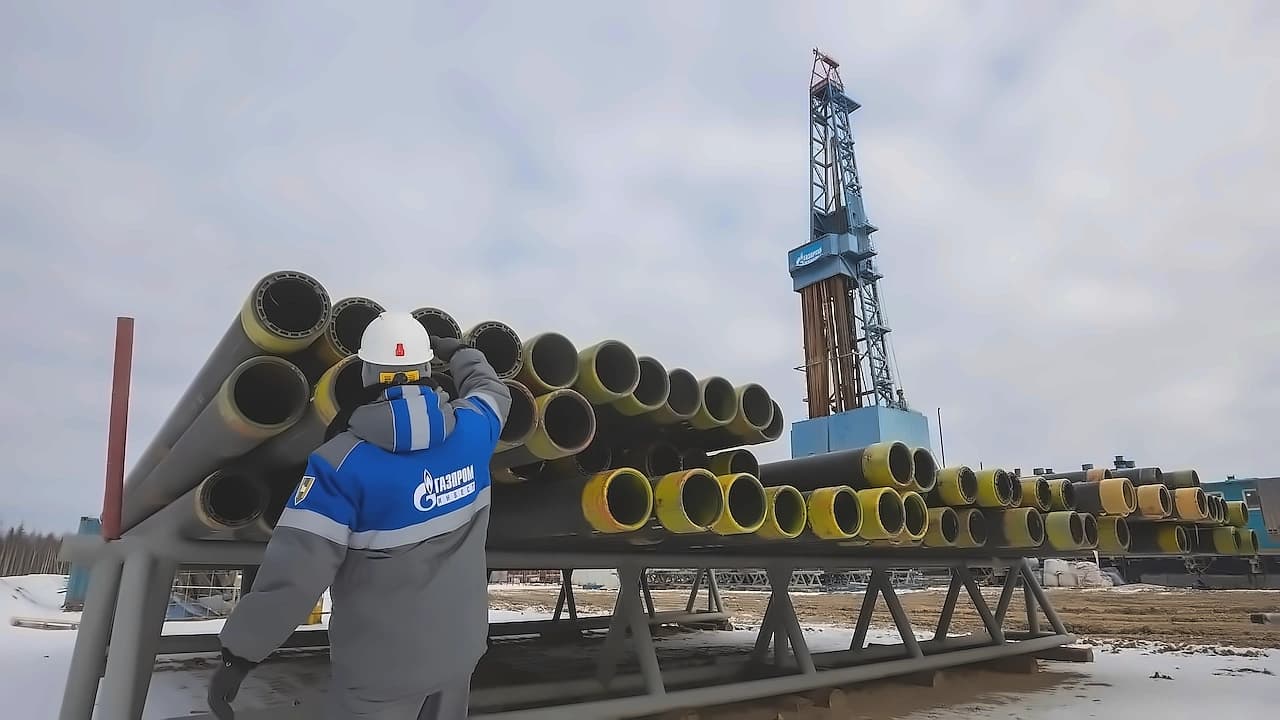
A full diesel export ban would represent one of the most significant interventions in Russia's fuel market since the start of the war and could have implications for diesel supplies across Europe, Africa, and parts of Asia that continue to rely on Russian fuel exports through indirect trade channels. Europe's diesel futures reversed earlier losses and its premium to crude jumped as much as 5.9% to $39.32 a barrel following the announcement. According to data compiled by Bloomberg from analytics firm Vortexa Ltd, Russia is second only to the US in global export rankings for diesel, with Turkey and Brazil making the bulk of the purchases. Russia sells roughly 40% of domestically produced diesel to foreign markets, making the potential ban a significant development for global fuel markets. Reuters reports that two industry sources indicated subsidies on imported fuel were considered with the aim of capping fuel prices.