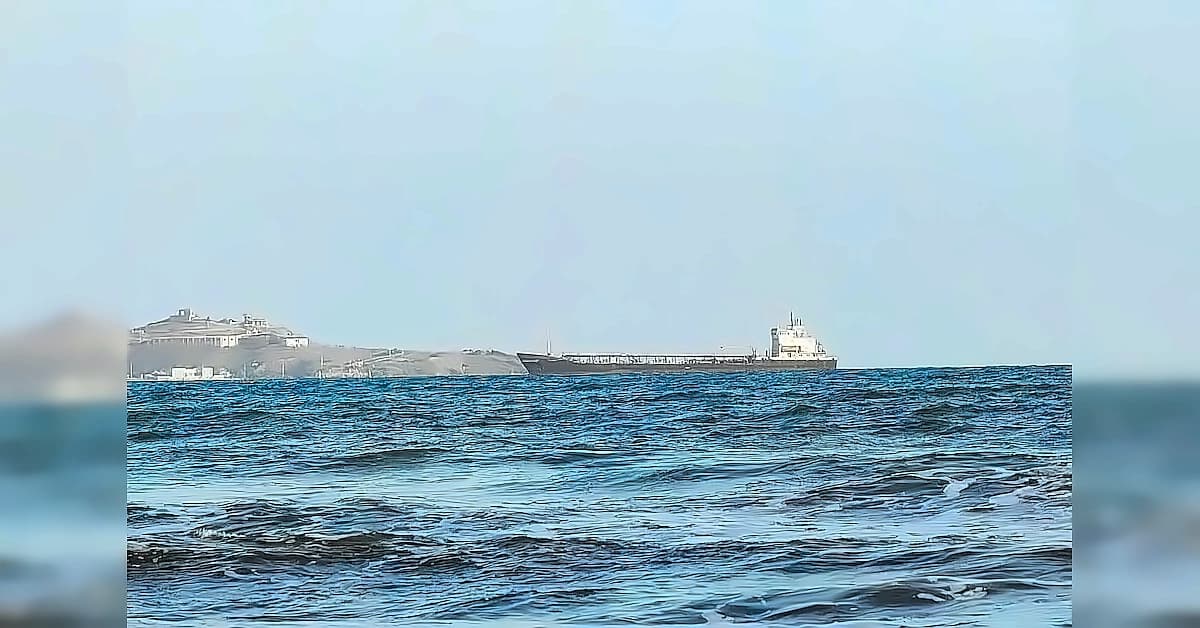
Ukrainian President Volodymyr Zelenskyy confirmed on August 23 that Russian President Vladimir Putin has personally rejected Ukraine's proposal for a truce on attacks against ships carrying agricultural commodities through the Black Sea. According to reports from Reuters, the proposal was first made on August 13 after Kyiv transmitted the offer through a third party to halt attacks on civilian targets in the Black Sea. Russia rejected the offer the following day, dismissing it as inadequate and accusing Ukraine of being the one stoking maritime tensions in the first place. The rejection comes as both countries have intensified attacks on each other's commercial ships and ports in the Black Sea area, with attacks on vessels and port infrastructure disrupting commercial shipping and raising concerns about global food supplies. The timing of Ukraine's offer matters significantly, as it came just one day after Ukrainian forces struck Russian grain terminals in Novorossiysk on August 12, suspending operations at one of Russia's most important export hubs on the Black Sea coast. Zelenskyy revealed that Moscow rejected the deal because it wanted guarantees against strikes on its energy infrastructure, stating that 'their position is that they will not attack our grain corridor only if we stop attacking their energy sector.'
The escalating conflict has severely impacted global grain supplies, with Ukrainian grain exports via Black Sea routes dropping 76% year-on-year as of early August 2026. As reported by Reuters, Ukrainian grain exports had fallen sharply in August as commercial shipping faced increasing security risks, with shipowners becoming increasingly reluctant to call at Ukrainian ports because of the risks posed by Russian attacks. According to Business Standard, Ukraine's Agriculture Minister Taras Vysotskyi revealed that the country has exported only about 500,000 tons of grain since the start of August, representing approximately a fifth of its potential shipments. Ports in Ukraine's Greater Odesa region handle about 90% of its grain shipments, making the disruptions particularly significant for global food markets. The disruption is particularly significant for countries in Africa, the Middle East and Asia that rely heavily on Black Sea grain, with global wheat prices rising substantially since early July as attacks affected Black Sea exports. Before Russia's full-scale invasion, Ukraine was one of the planet's top grain exporters, feeding populations across Africa, the Middle East, and parts of Asia.
The conflict has already caused substantial disruptions to major grain handling facilities, with the latest developments showing three of Russia's largest grain terminals in the Black Sea port of Novorossiysk halted operations after sustaining damage. The Agriculture Ministry is now considering alternative routes for exports due to these shipping disruptions, highlighting the immediate impact on global agricultural supply chains. As reported by Reuters, the security situation has deteriorated in recent months, with both Moscow and Kyiv accusing each other of targeting vessels and infrastructure connected with commercial shipping. Russian Foreign Ministry spokeswoman Maria Zakharova said Moscow saw no basis for temporary arrangements that would provide Kyiv with what she called a 'breathing space'. The Novorossiysk terminal is not just a grain hub but sits near critical energy export infrastructure, meaning any expansion of targeting in the area could create spillover effects for oil and gas shipments. Countries that relied on Ukrainian grain have spent the past three years scrambling for alternatives, turning to suppliers in South America, Australia, and India, but those substitution strategies have limits and come with higher logistics costs that get passed along through supply chains.
Russian President Vladimir Putin acknowledged economic damage from Ukrainian drone attacks but rejected ceasefire proposals from Kyiv as 'unacceptable' and, in some cases, 'exotic' without elaboration. As reported by Business Standard, Putin told a Russian state TV reporter that Russia is always open to dialogue about peace but only on the basis of realities on the ground. He reiterated his long-held position that Moscow is ready to discuss an energy ceasefire with Kyiv but only on a reciprocal basis. According to Hindustan Times, Putin has now further escalated his stance, calling Ukraine's ceasefire proposals 'outlandish' and stating that Russian strikes are crippling Ukraine's economy. Zelenskyy emphasized that Kyiv was ready to discuss an energy ceasefire with Russia but only on a reciprocal basis, saying 'if you are ready to talk on equal terms, then let's talk. If it's about agriculture, then agriculture; if it's about energy, then energy. If it's about a full ceasefire, then a full ceasefire.' The latest rejection also recalls the Black Sea Grain Initiative, brokered by Türkiye and the United Nations in 2022, which created a maritime corridor for Ukrainian agricultural exports and helped move 32.8 million tonnes of grain and foodstuffs to global markets by July 2023. However, Russia's Foreign Ministry spokesperson Maria Zakharova shot down the truce proposal with characteristic bluntness, saying there were 'no grounds for half-measures' and ruling out any revival of the Black Sea Grain Initiative.
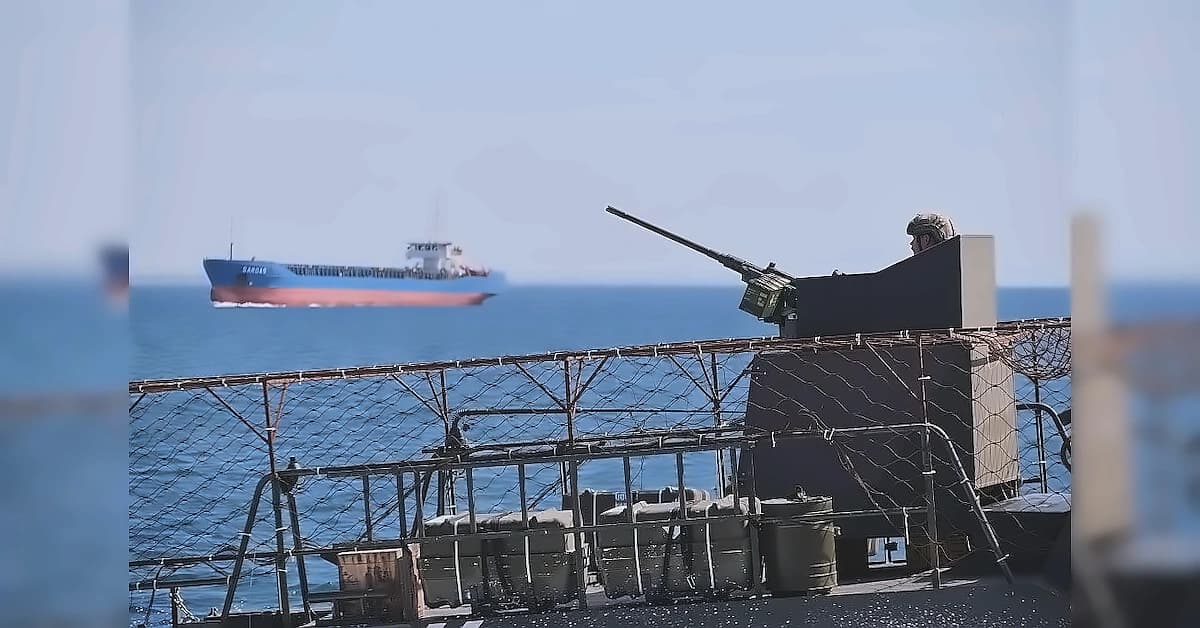
Zelenskyy indicated he has proposed to several foreign leaders that their countries' vessels be used to export both Ukrainian and Russian agricultural commodities, though he acknowledged that 'Russia isn't ready for that.' According to Business Standard, the Ukrainian leader stated that Kyiv was ready to discuss an energy ceasefire with Russia but only on a reciprocal basis, emphasizing that if Russia is ready to talk on equal terms, then let's talk about agriculture, energy, or a full ceasefire separately. The escalating conflict has made such international mediation efforts increasingly difficult as both sides dig in their positions. Turkey's Foreign Minister Hakan Fidan proposed a moratorium on military operations in the Black Sea region, but that suggestion has gained no traction with Moscow. The immediate question is whether Kyiv or Moscow will make another attempt to establish protections for commercial vessels, with any new arrangement likely requiring agreement on monitoring, enforcement and the definition of civilian and agricultural shipping. Meanwhile, Russia's Defense Ministry confirmed its forces struck Ukraine's Yuzhny port in the Odesa region overnight, hitting five fuel tanks and infrastructure for loading and unloading of cargoes, further escalating the conflict and disrupting Ukraine's grain export capabilities.