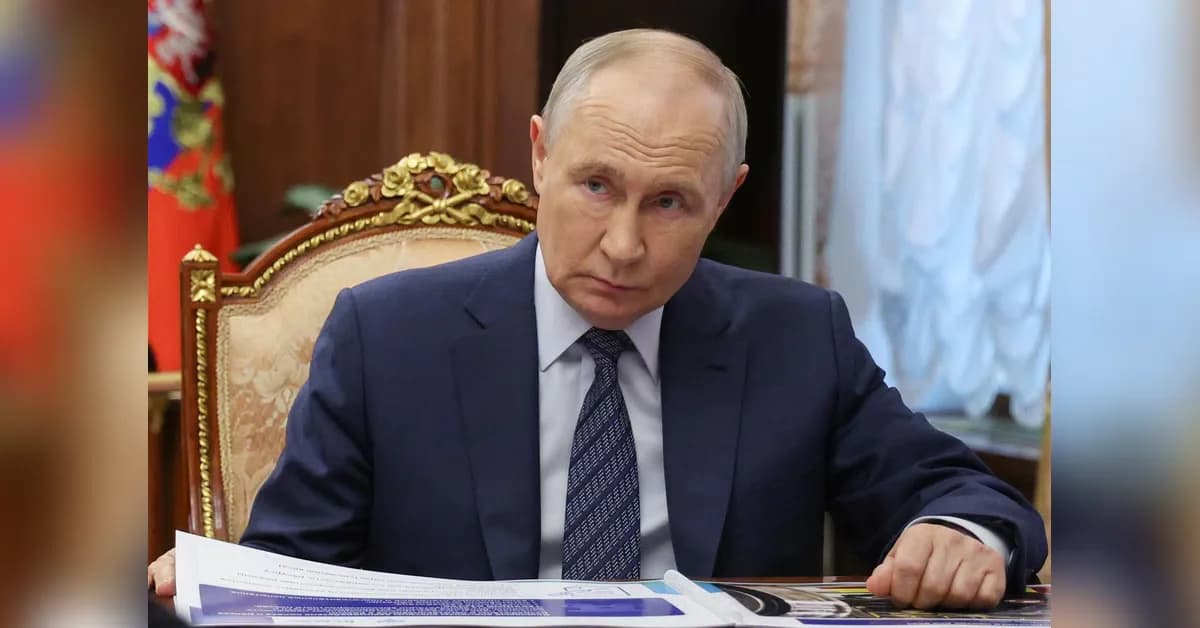
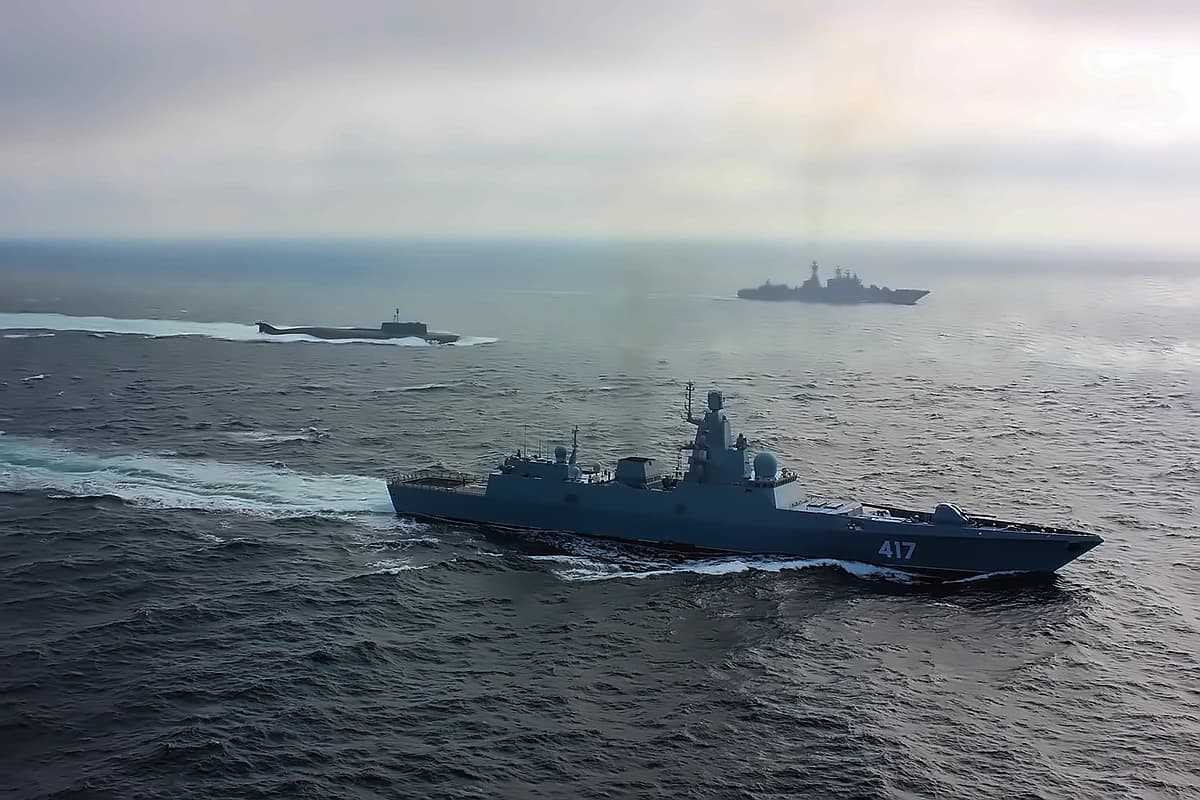
Russian President Vladimir Putin has escalated his warnings, threatening to seize European vessels if European states follow through on plans to seize more commercial ships with Russian cargo. Speaking from Russia's far eastern island of Sakhalin, where he is observing military exercises, Putin said Russia would be ready to carry out its own seizures 'wherever we deem it necessary and appropriate'. As reported by RIA Novosti news agency, Putin characterized the potential European measures as 'piracy and robbery' and called the moves 'nothing short of piracy and banditry'. He stated that 'If these plans are put into practice, we will have to respond in kind'. Putin's latest comments came during a visit to a Russian warship participating in Pacific naval exercises, where he emphasized that 'the Russian response wouldn't necessarily come in the waters where the Russian ships were seized, noting that Moscow could retaliate '
The Russian President's escalated comments come as the European Union intensifies pressure on Russia's so-called shadow fleet, expanding sanctions against hundreds of vessels and detaining some ships and their crews for checks. According to TASS state news agency, some European governments have said they are exploring tougher maritime enforcement measures against ships suspected of sanctions evasion. The EU's campaign represents a significant escalation in efforts to target vessels suspected of supporting Russia's maritime operations, with new sanctions passed last month permitting European Union members to sell the oil or any other cargo seized from the ships. Putin appeared to reference these sanctions, saying some countries are trying to 'restrict the movement of vessels belonging to our economic operators' and recently 'came up with the idea of possibly seizing our ships and selling off property stolen from us'. The EU has sanctioned hundreds of 'shadow fleet' ships, with France and the U.K. having detained tankers suspected of being part of Russia's sanctions-evading shipping operations.
Putin said 'relevant instructions' had already been delivered to Russia's Ministry of Defence and Pacific Fleet, the naval fleet responsible for Russia's maritime military interests in the Pacific. The Pacific Fleet chief, Admiral Viktor Liina, reported to Putin that the navy was ready to start inspections of commercial ships serving 'unfriendly nations'. Liina noted that many ships operated by British, French and other European carriers fly the flags of other nations, effectively making them a 'shadow fleet'. 'We have enough assets for inspection and detention of vessels of the unfriendly nations and their shadow fleet,' Liina told Putin, 'We are ready to start performing the task.' Russia is believed to be using a fleet of hundreds of ships to evade international sanctions imposed after Moscow sent troops into Ukraine in February 2022. Russia has recently started deploying warships to escort its commercial vessels, with Deputy Security Council head Dmitry Medvedev noting that many ships belonging to European carriers fly 'flags of convenience' just like Russian carriers do.
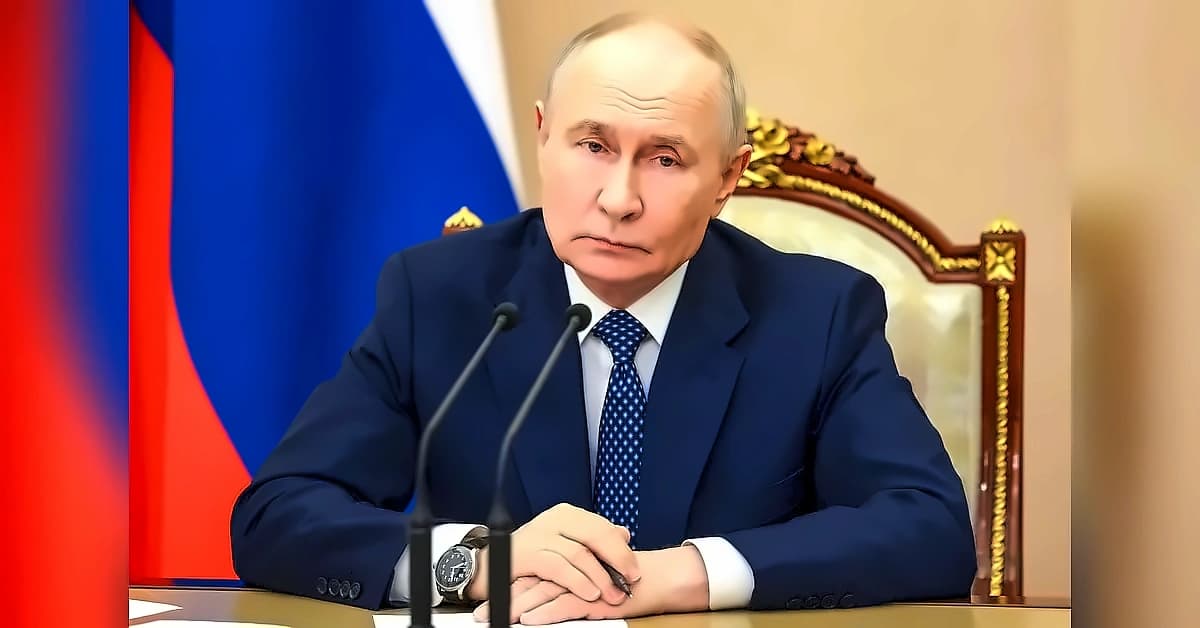
Putin also accused NATO of making inroads into the Asia-Pacific region and creating tension in the Arctic, as reported by TASS. He stated that 'NATO is making inroads into the region, new military-political blocs are being formed, and new weapons systems that pose a threat to Russia are being deployed or are slated for deployment'. These comments were made during his observation of military exercises on Sakhalin island, highlighting Russia's strategic focus on regional security concerns amid heightened tensions in the West Pacific region. Medvedev emphasized that Russia has the right to attack any merchant vessel belonging to hostile nations, whether in Russian waters or neutral waters, provided there are reasonable grounds to suspect it is carrying cargo in the enemy's interest. The exercises come a week before joint US-South Korean war games, designed to simulate a possible invasion from North Korea, with tensions high in the region amid accusations from Kyiv and Seoul that Pyongyang and Moscow are further intensifying their military cooperation.