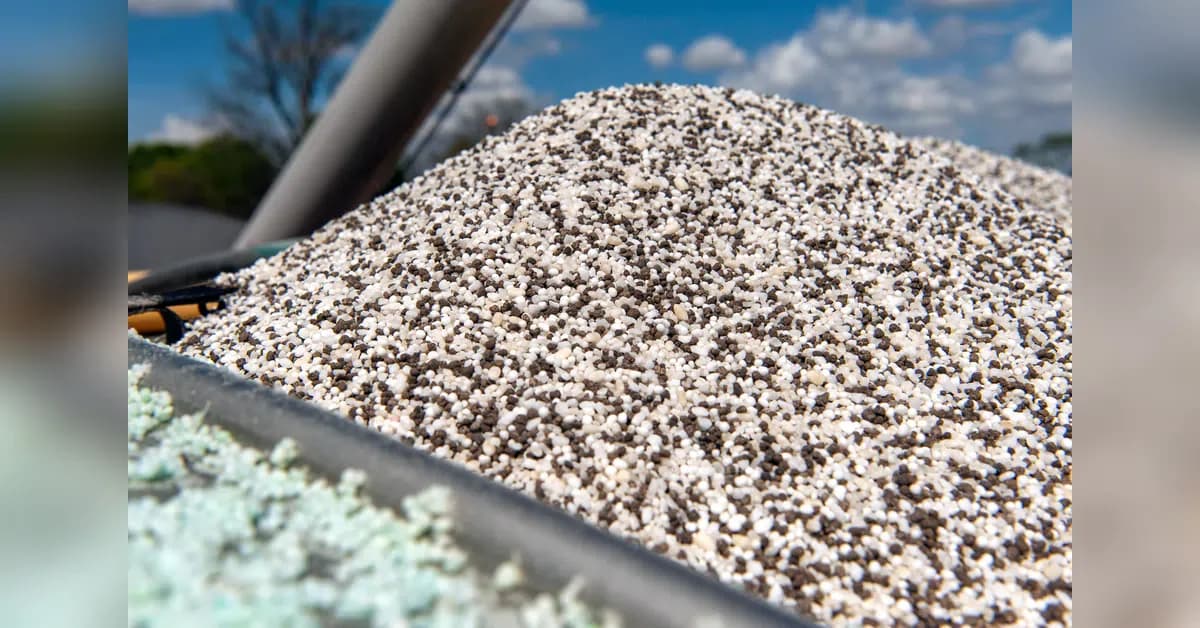
India's fertiliser inventories have reached a two-year high of 17.01 million tonnes at the start of the 2026-27 rabi season, representing a 38% increase from the same period last year, according to Business Standard. This substantial buildup comes after a challenging kharif season and provides crucial buffer ahead of the rabi season demand. The urea stocks alone have surged 54.26% to 8.33 million tonnes, while DAP stocks are projected at 3.03 million tonnes, up 9% from the previous year. NPKS inventories have increased 36% to 5.65 million tonnes. As of September 18, the country's fertiliser stock position stood at 141.69 lakh tonnes, as reported by latest data.
Against the estimated rabi season demand of 380 lakh metric tonnes covering urea, DAP, NPK and other fertilisers, more than 163 lakh metric tonnes of fertiliser is currently available in the country, compared with around 122 lakh metric tonnes at the beginning of the rabi season last year, according to Union Agriculture Minister Shivraj Singh Chouhan. The minister emphasized that international fertiliser prices had risen sharply but the additional financial burden would not be passed on to Indian farmers. "The government is continuously monitoring the availability and movement of fertilisers and is in touch with states to ensure timely supplies," Chouhan stated. With comfortable fertiliser stocks estimated at 17.01 million tonnes for the 2026-27 rabi season, availability should remain adequate during the season.
India's fertilizer subsidy bill could cross ₹3 lakh crore this fiscal year as global price pressures surge, according to Fertilizer Secretary Rajat Kumar Mishra. Speaking before agriculture ministers at the annual rabi conference, Mishra revealed that the per bag subsidy burden has surged dramatically due to global price hikes. For urea (45 kg), the subsidy increased from ₹1,350 to ₹2,775 (106% up), while for DAP (50 kg), it rose from ₹2,102 to ₹3,523 (61% up) before February 28, 2026. As reported by The Hindu BusinessLine, Mishra noted that the subsidy is likely to be ₹3 lakh crore this fiscal as of now, but could exceed that depending on global prices.
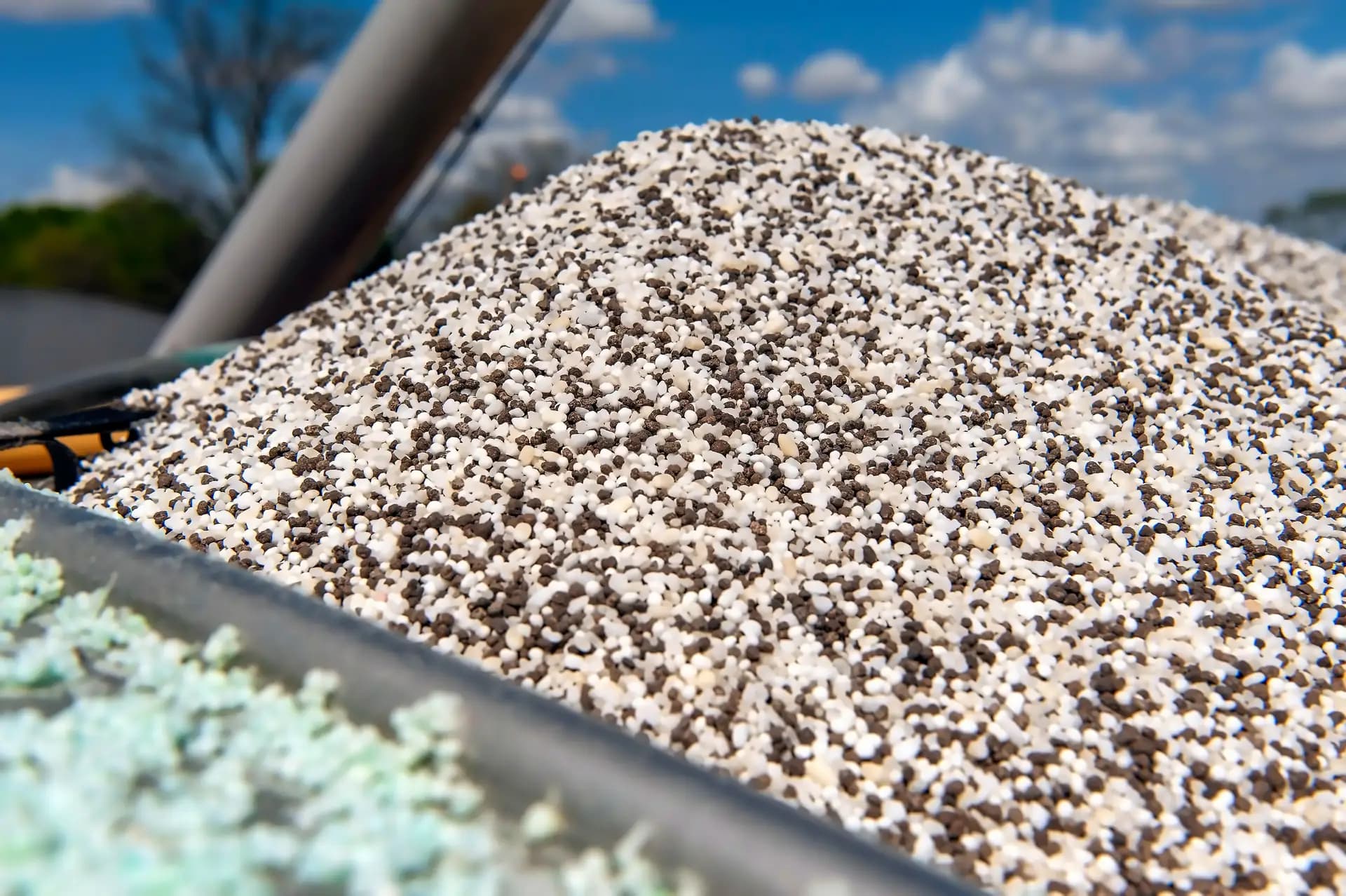
Global supply disruptions are driving up fertilizer costs across multiple raw materials. According to Mishra's presentation, sulfur prices increased from $532 per tonne in February 2026 to $1,050 per tonne in the global market due to limited availability. Phosphoric acid prices rose from $1,290 per tonne to $1,700 per tonne, while imported DAP costs increased to $940 per tonne after the war. India's domestic production of complex fertilizers fell by 26% after the war compared with last year, as global players reduced production of phosphoric acid and DAP due to sulfur non-availability after the war affected Qatar production.
Urea production faces significant cost pressures due to gas supply constraints. As reported by The Hindu BusinessLine, India imports more than 80% of its gas for urea production, and gas supply under long-term contracts was reduced by 60-65% compared with pre-war levels. Gas prices increased from about $10 per MMBtu before the war to $28-29 per MMBtu after the war. Despite these challenges, 32 urea plants produced 149 lakh tonnes in the kharif season, supporting government efforts to manage demand. Fertilizer demand is closely linked to rainfall, particularly in rain-fed agricultural areas, with lower-than-normal rainfall during the first part of September affecting fertilizer sales in several regions.
Union Agriculture Minister Shivraj Singh Chouhan appealed to states to prevent diversion of highly subsidized fertilizers to non-farming use and ensure farmers practice balanced nutrient use based on soil conditions. The Centre has asked states to prevent over-application of nutrients despite national opening stocks reaching a three-year high on October 1, as global price pressures continue to impact the fertilizer sector. Chouhan also emphasized promoting organic/natural farming as much as possible. The minister said the Centre had started preparations for a possible El Niño-related impact as early as April, with the country's cumulative monsoon rainfall deficit standing at 14% around August 24-25 but improving to 12% following subsequent rainfall. Despite uneven rainfall, the overall kharif sowing area has declined by only around 1%, indicating that contingency plans had helped contain the impact.