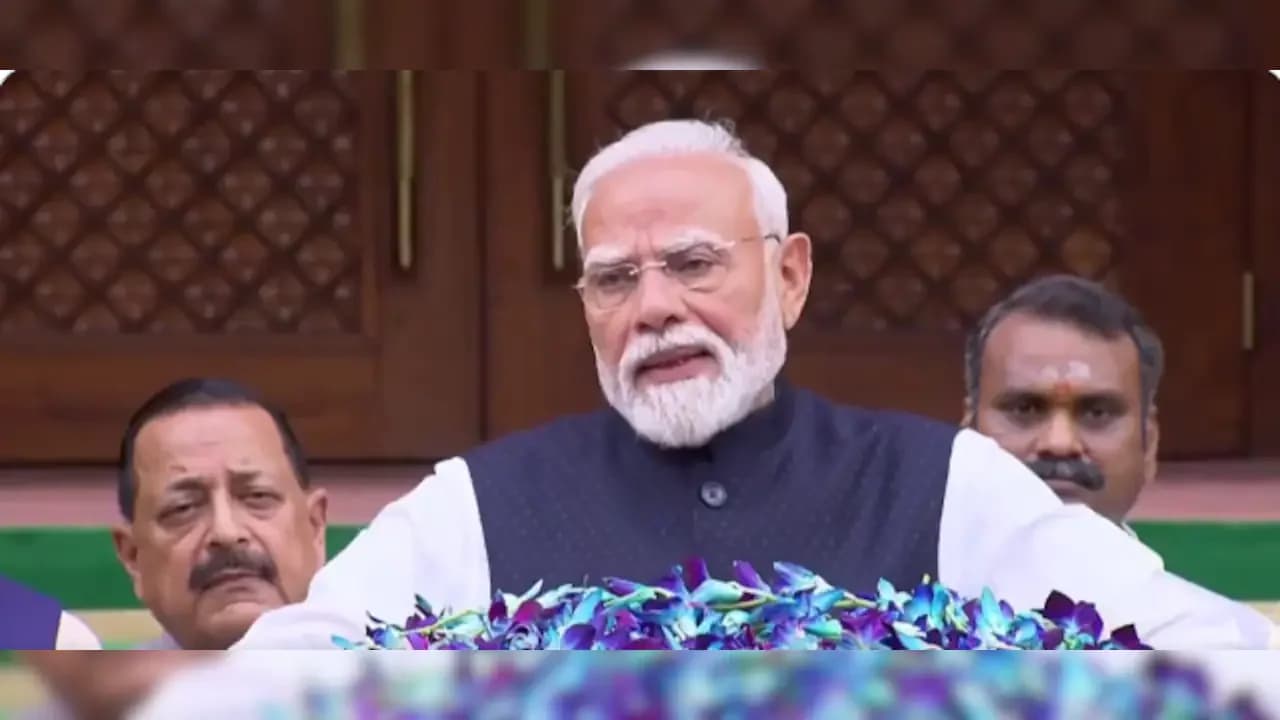
Prime Minister Narendra Modi on Saturday chaired a meeting of the Economic Advisory Council (EAC) to the Prime Minister to discuss various measures to sustain India's growth momentum and strengthen economic resilience amid global challenges. According to official sources, the meeting focused on strategies to further accelerate economic growth, at a time when major economies across the world continue to face geopolitical uncertainties, supply chain disruptions and weakening demand. The meeting included discussions on various reforms to improve ease of living and ease of doing business, with deliberations focusing on enhancing governance efficiency, reducing compliance burdens and creating a more conducive environment for investment and entrepreneurship. As per Zee News, PM Modi and members of the advisory council exchanged views on policy measures aimed at maintaining India's growth trajectory while ensuring macroeconomic stability in the challenging global environment.
The EAC meeting comes as the West Asia conflict has emerged as a major threat to India's economic growth trajectory, with the United Nations Development Programme estimating that the military escalation could cost Asia-Pacific up to $299 billion. According to the United Nations Development Programme report titled 'Military Escalation In The Middle East: Human Development Impacts Across Asia And The Pacific', the conflict is "widening human development pressures across Asia and the Pacific". Ever since the war in West Asia began, economies around the world have felt adverse impacts in various aspects, be it energy prices spiralling out of control, restriction to air spaces, or security threats. The preliminary assessment estimates that globally 8.8 million people are at risk of falling into poverty, with conflict and military escalation threatening to push 2.5 million people in India into poverty and the country projected to experience some loss in its human development progress.
The EAC meeting comes a day after Reserve Bank of India's Monetary Policy Committee (MPC) meeting, when the governor announced keeping the policy repo rate unchanged at 5.25% and maintaining a neutral stance amid geopolitical tensions, inflation concerns and supply chain disruptions. According to The Times of India, RBI Governor Sanjay Malhotra said the MPC, after reviewing macroeconomic and financial conditions, decided to keep the repo rate under the Liquidity Adjustment Facility unchanged at 5.25%. The Standing Deposit Facility remains at 5%, while the Marginal Standing Facility and Bank Rate stand at 5.5%. Malhotra noted that the global economy continues to face "heightened uncertainty, disruptions to key trade routes and supply chains, increased market volatility, and cautious business sentiment," adding that India entered the current phase of turbulence with stronger fundamentals than in previous episodes.
The central bank has revised its economic outlook, lowering GDP growth for FY2026-27 to 6.6% from 6.9%, citing elevated energy and commodity prices, supply disruptions linked to the West Asia conflict, and global financial volatility. As reported by The Times of India, growth is expected to range between 6.3% and 6.8% across quarters. Inflation projections have been revised upward to 5.1% for FY2026-27, about 50 basis points higher than earlier estimates, driven by rising global crude oil prices and higher industrial input costs. Core inflation is projected at 4.7%. Malhotra noted that higher international crude prices have increased input costs across sectors such as energy, chemicals, metals and industrial materials, with partial pass-through to domestic fuel prices beginning, adding that firms are expected to gradually pass on cost increases.
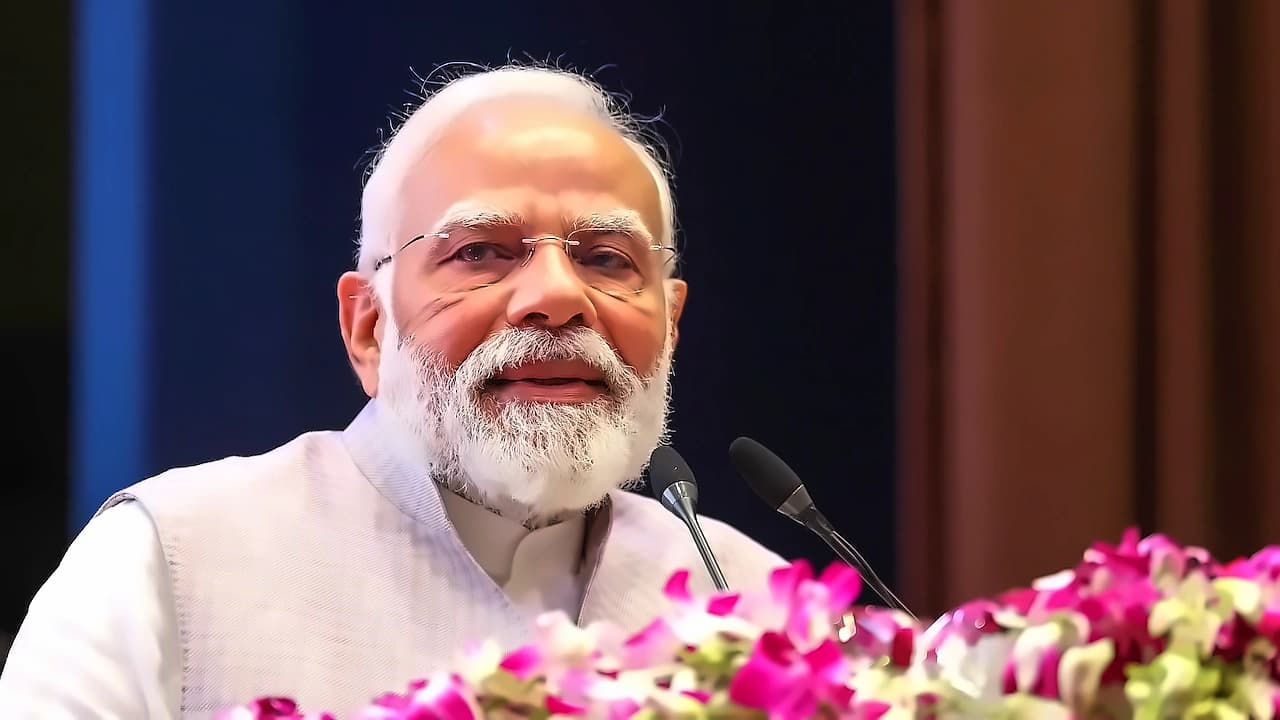
India's economic resilience was demonstrated by robust GDP growth of 7.8% in the January-March quarter (Q4) of 2025-26, with the full financial year growth rate working out to 7.7%, according to Zee News. This strong performance was driven by a strong showing across agriculture, construction and services sectors. The key meeting comes at a time when India continues to remain among the fastest-growing major economies despite growing global uncertainties and geopolitical tensions. As reported by Zee News, India -- which imports a large share of its energy requirements -- has been closely monitoring developments in the region amid concerns that sustained instability could influence crude oil prices and international trade flows. The West Asia conflict has created additional challenges through higher fuel, freight, and input costs, diminishing household purchasing power, raising food insecurity, straining public budgets, and weakening livelihoods.