The central government has cut down jet fuel prices by ₹5 per litre for domestic airlines on Wednesday, following a decline in international crude oil prices that have fallen to near four-month lows. According to Business Standard, this price adjustment offers relief to airlines after weeks of elevated fuel costs. The reduction comes as the government responds to market dynamics and seeks to provide stability to the aviation sector through strategic pricing interventions. As per Reuters analysis, Brent crude is now expected to average $84.50 per barrel in 2026, lower than the previous forecast of $90.44 per barrel, contributing to the softening of global fuel prices. This marks the first reduction since the West Asia crisis led to a spike in jet fuel rates to a record high, as reported by Business Standard. ATF in Delhi will now cost ₹110 per litre, according to industry sources who spoke to PTI, representing a significant decrease from previous pricing levels. The latest revision follows easing West Asia tensions and a ceasefire agreement between the United States and Iran, which has helped stabilise supply expectations and reduced fears of prolonged disruption in key shipping and energy routes.
In addition to aviation fuel reductions, oil marketing companies have reduced commercial LPG cylinder prices by an average of ₹180. According to ANI sources, a 5-kg Free Trade LPG (FTL) cylinder is now priced at ₹808.50 in Delhi, down from the previous rate. Commercial LPG cylinder prices have been cut by ₹13 per cylinder, with 19-kg commercial cylinders now costing ₹2,930 in Delhi, down from ₹3,113.50. The price reduction is expected to reduce operating costs for restaurants, hotels and catering businesses, potentially easing food prices for consumers. This complements the aviation fuel cuts and provides broader relief to the hospitality and food service sectors that rely heavily on LPG for cooking and heating operations.
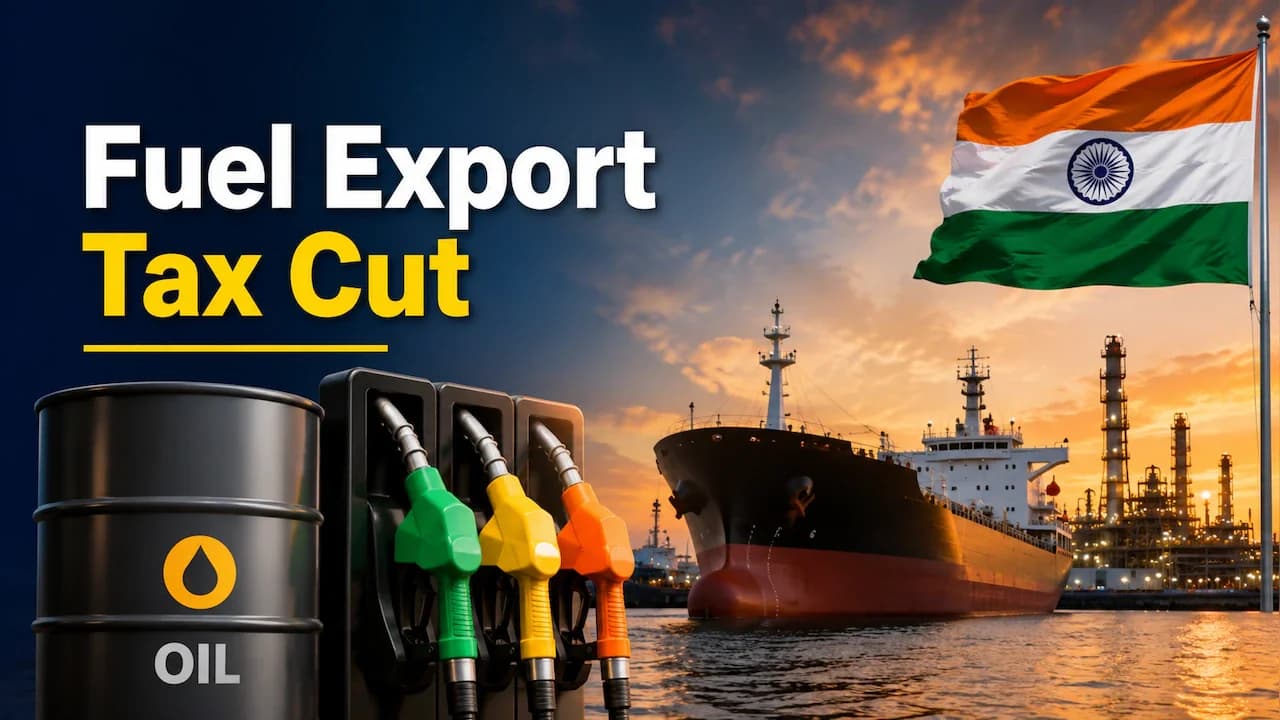
The government has revised export duties on petrol, diesel, and aviation turbine fuel for the fortnight beginning July 1, while maintaining domestic excise duties unchanged. According to the Ministry of Finance, export duties have been reset at ₹4 per litre for petrol, ₹8.5 per litre for diesel and ₹7.5 per litre for ATF, with the Road and Infrastructure Cess (RIC) remaining nil. Notification No. 37/2026 fixes the SAED on ATF exports at ₹7.5 per litre, as reported by The Times of India. The export duty mechanism was introduced earlier this year to ensure adequate domestic availability of petroleum products by discouraging exports during periods of elevated global prices and geopolitical uncertainty. The Centre has expanded the list of countries exempted from export duty, with exemptions now extending to Mauritius and the Maldives in addition to Nepal, Bhutan, Bangladesh and Sri Lanka. Mumbai-based Nayara Energy also cut petrol and diesel prices by ₹5 and ₹3 respectively, with the changes applicable across all 7000 fuel stations operated by the company. Oil marketing companies revise ATF prices fortnightly on the 1st and 16th of every month, with any further changes depending on movements in international crude oil and aviation fuel prices over the coming weeks.

Air travellers hoping for lower ticket prices after the latest reduction in aviation turbine fuel (ATF) prices may have to wait a little longer, industry sources told NDTV Profit. Oil marketing companies have reduced ATF prices by around ₹5 per litre, bringing the price down from approximately ₹115 per litre to ₹110 per litre. While the move offers some relief to airlines, industry sources say it is unlikely to immediately translate into cheaper airfares. The reason is simple: despite the latest cut, jet fuel prices remain significantly above the levels seen before the recent geopolitical tensions in West Asia pushed up global crude oil prices. ATF currently costs around ₹1.10 lakh per kilolitre, compared with roughly ₹1.04 lakh per kilolitre before the conflict. Airlines believe fuel prices need to soften further before they can meaningfully reduce ticket prices. Fuel is one of the largest operating expenses for airlines, accounting for as much as 35-40% of total costs. Although the latest reduction lowers operating expenses, the savings are not yet substantial enough to offset the higher fuel costs airlines have absorbed over recent months. Industry executives indicate that carriers are closely monitoring fuel prices and are likely to pass on the benefit to passengers once ATF prices return to pre-war levels and remain stable.
The latest price cut comes three weeks after a new ATF pricing framework was introduced, allowing airlines to lock in fuel prices for up to three years under a ₹10,000-crore ATF Price Stabilisation Fund. This framework represents a significant development in aviation fuel pricing stability, providing airlines with greater predictability in their operational costs. The introduction of this pricing mechanism comes as the aviation industry seeks to manage fuel-related uncertainties and benefit from both government price interventions and long-term pricing stability measures. The move reflects the government's response to changing global crude oil dynamics while balancing fiscal considerations and sectoral relief needs. For passengers, meaningful fare reductions are more likely if global crude oil prices continue to soften, allowing ATF prices to move closer to their pre-conflict levels. Until then, airlines are expected to maintain existing pricing strategies while keeping a close watch on fuel costs and demand trends.