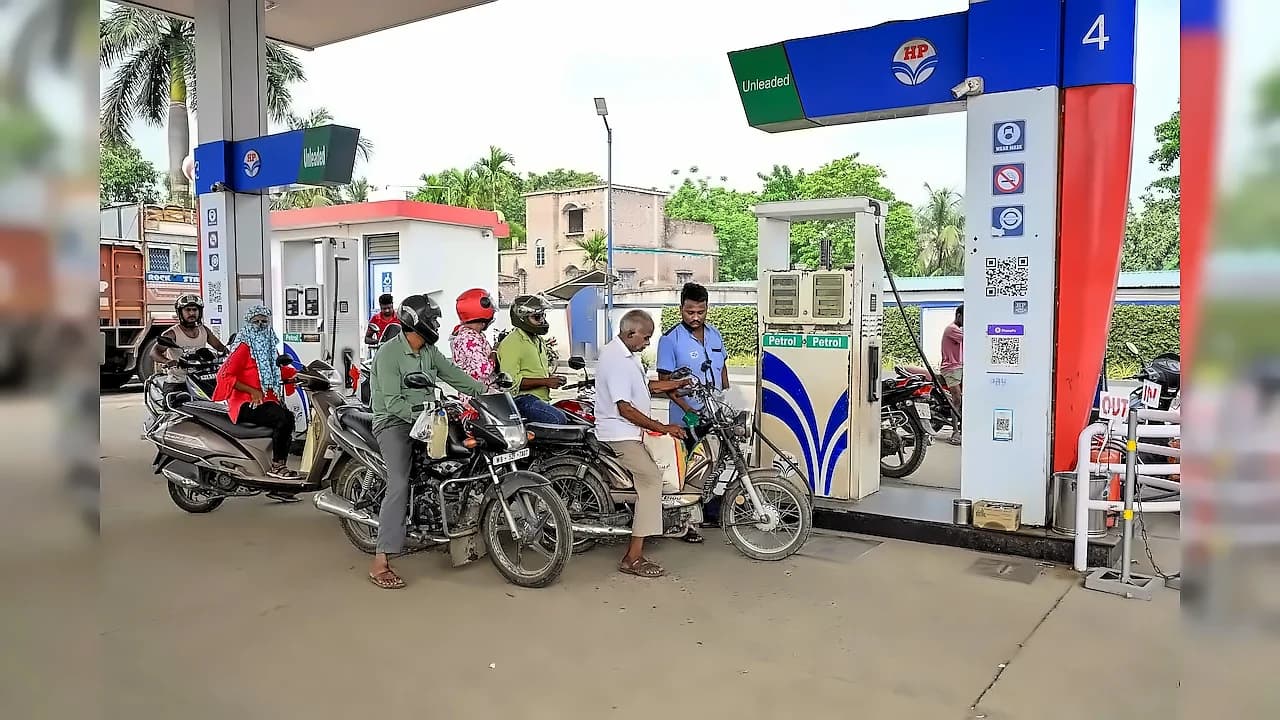
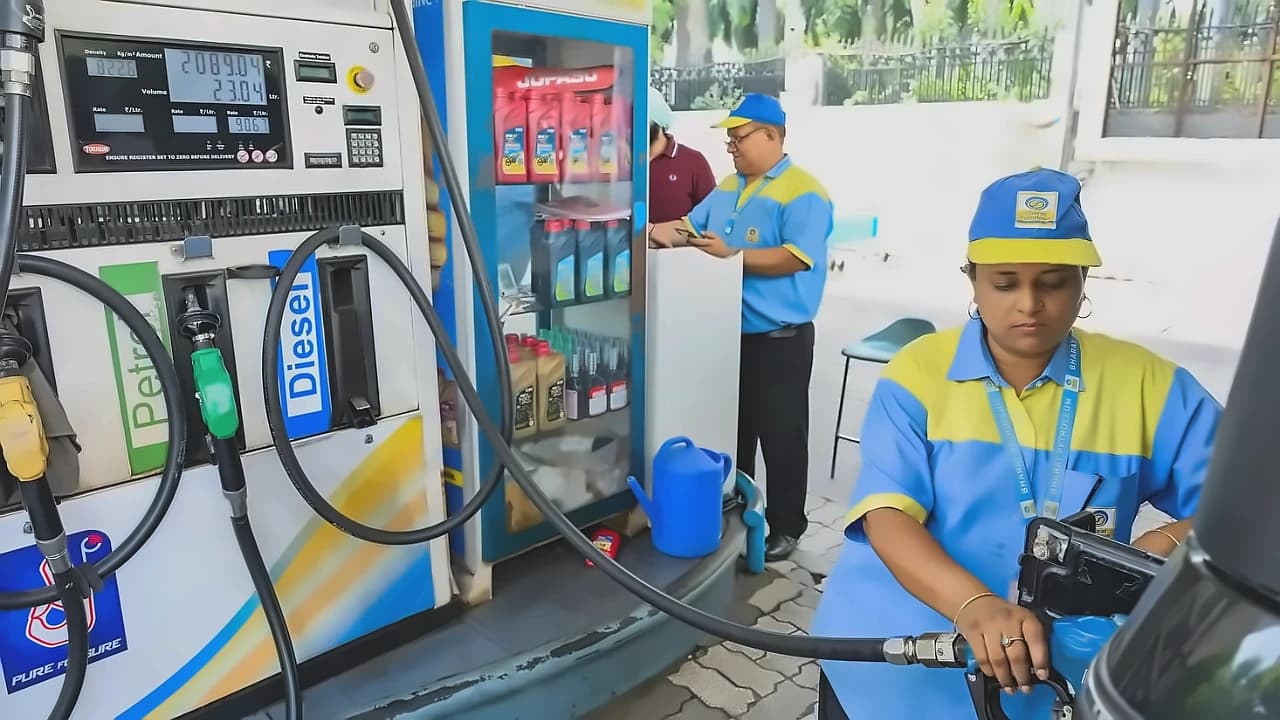
Petrol prices in Jaipur rose to ₹107.97 per litre and diesel climbed to ₹93.23 per litre on Friday following a ₹3 per litre price increase by the Centre. According to reports from The Hindu BusinessLine, petrol prices in Jaipur increased by ₹3.25 from ₹104.72 per litre, while diesel prices rose by ₹3.02 from ₹90.21 per litre. In New Delhi, petrol prices rose from ₹94.77 to ₹97.77 per litre, while diesel prices increased from ₹87.67 to ₹90.67 per litre. The hike became effective from Friday, May 15, as reported by stockbullupdates on social media.
The fuel price revision comes amid growing concerns over global energy supplies due to tensions in West Asia and disruptions in the Strait of Hormuz, a key maritime trade route for crude oil transportation. As reported by The Hindu BusinessLine, Brent crude oil prices have remained above $100 per barrel following the ongoing conflict involving the US, Israel and Iran since February this year. The widening regional conflict has impacted fuel markets as several West Asian countries are major energy suppliers.
Despite the global volatility, the Centre earlier maintained that India has sufficient fuel reserves and uninterrupted energy supplies. According to reports from The Hindu BusinessLine, Union Minister for Petroleum and Natural Gas Hardeep Singh Puri said on May 12 that there had been no reports of fuel shortages in the country and that refineries were operating at optimum levels. The minister emphasized that India ensured stable fuel prices and uninterrupted energy supplies despite rising global crude prices and supply disruptions.
The decision comes after Prime Minister Narendra Modi recently made seven appeals to citizens to strengthen economic resilience by reducing dependence on imported fuel and adopting environmentally sustainable alternatives amid the ongoing West Asia conflict. As reported by The Hindu BusinessLine, PM Modi urged people to prioritise work from home, reduce fuel consumption and avoid foreign travel for a year, adopt Swadeshi products, cut cooking oil usage, shift towards natural farming and curb gold purchases. He also called for changes in transportation habits, appealing to citizens to reduce petrol and diesel consumption by using metro services and public transport wherever available, opting for carpooling when private vehicles are necessary, and increasing the use of electric vehicles.
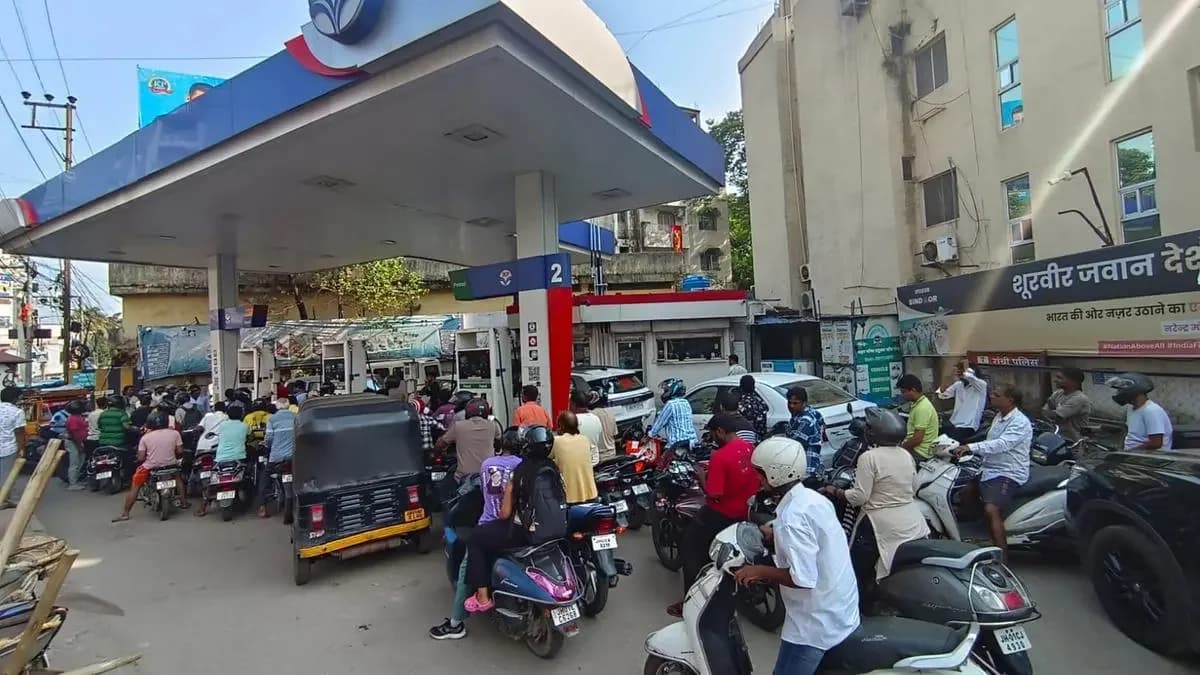
In line with the appeal, Delhi Chief Minister Rekha Gupta on Thursday ordered curbs on the use of official vehicles by ministers, MLAs and other public representatives. She also urged Delhi residents to adopt carpooling and use public transport to reduce fuel consumption. According to The Hindu BusinessLine, these measures reflect the government's broader strategy to address fuel price volatility and promote sustainable transportation practices.