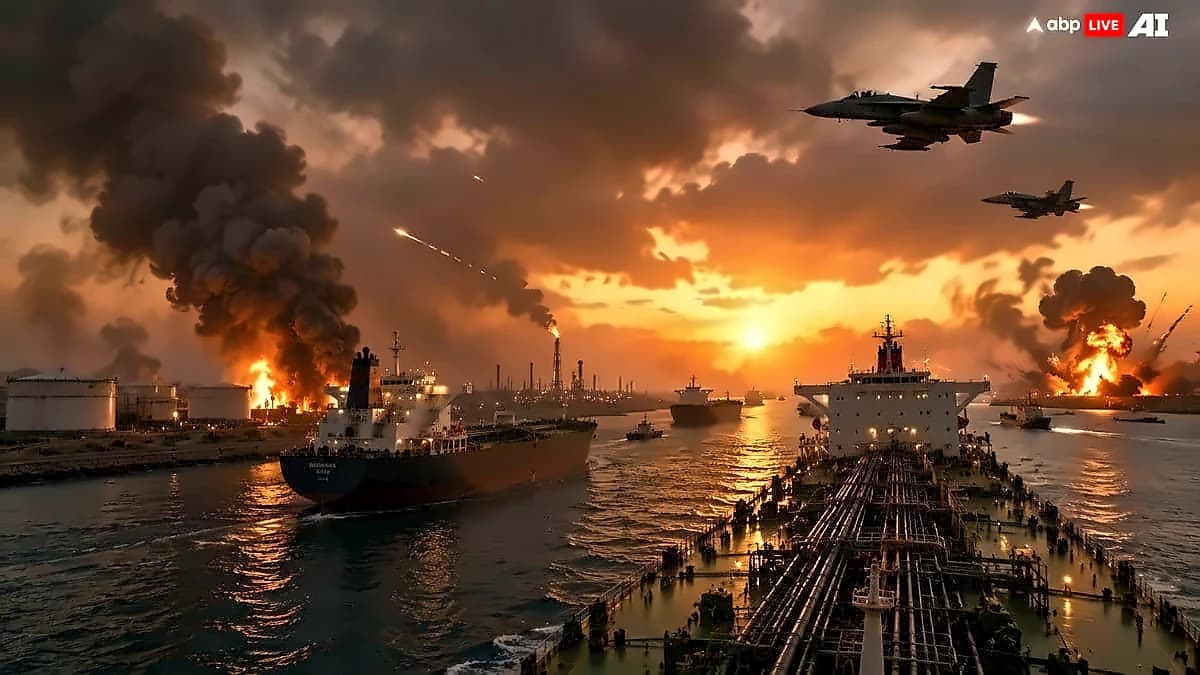
The United States has significantly escalated its approach to Iran, with US Treasury Secretary Scott Bessent warning that foreign banks, companies and governments could face action if they continue certain dealings with Tehran. According to Goodreturns, Bessent said Washington wants to make it increasingly difficult for Iran to access international financial channels, with the focus expanding beyond Iranian businesses to include companies, banks and intermediaries in other countries that may help Iran receive payments, sell oil or move goods. The latest warning could have implications beyond Iran, with global oil prices, shipping costs, financial institutions and countries that maintain trade links with Tehran all coming under greater pressure if Washington steps up enforcement. Secondary sanctions allow the US to put pressure on non-US companies and financial institutions that conduct certain transactions with sanctioned Iranian entities, creating a major deterrent for international banks through the risk of losing access to the US financial system.
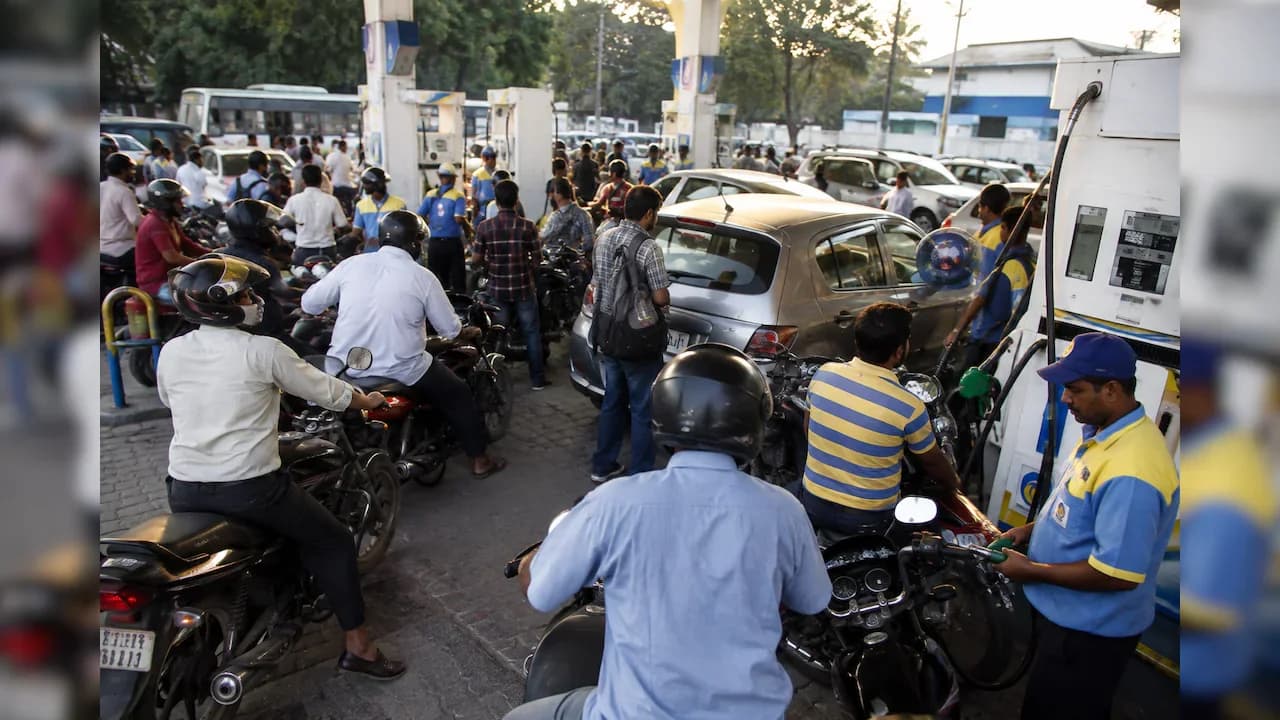
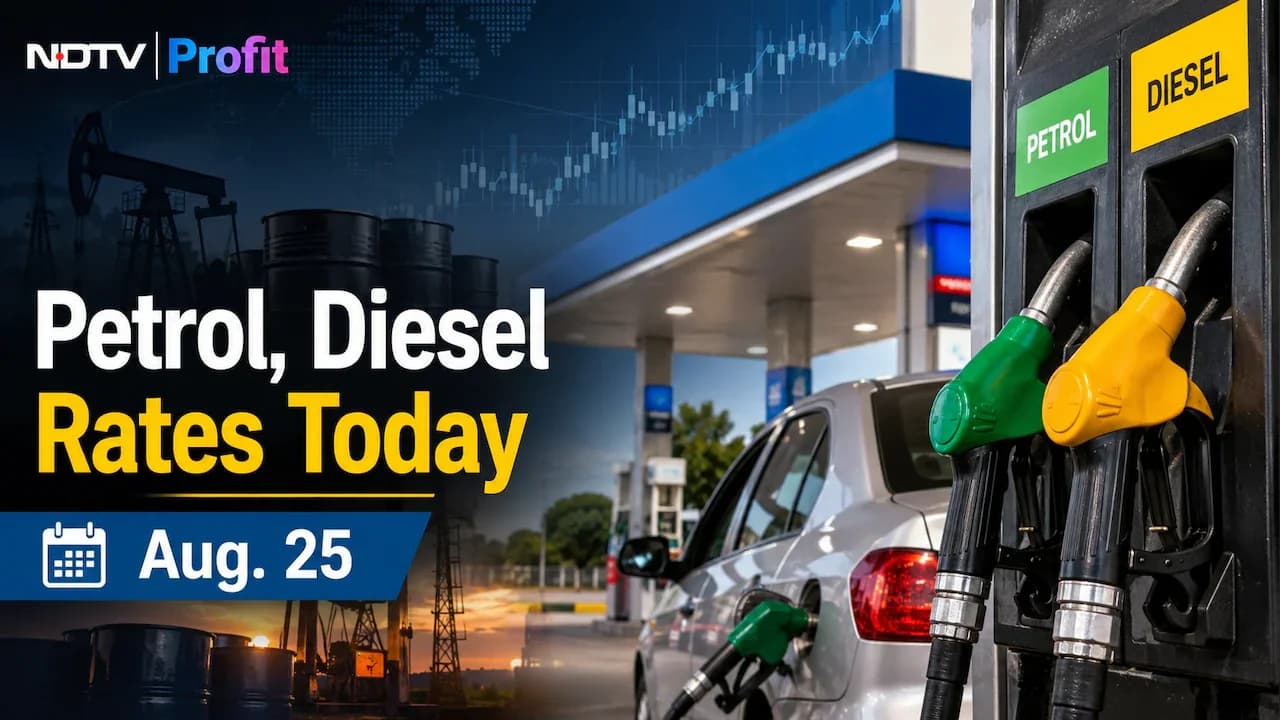
Petrol and diesel prices have been revised upward with petrol increasing by ₹0.39 per litre to ₹341.98 and high-speed diesel (HSD) rising by ₹2.40 per litre to ₹370.69 for August 25. According to reports from NDTV Profit, this comes amid rising international oil prices and continued uncertainty over global supplies. The latest increases reflect the impact of Brent crude trading at elevated levels due to ongoing Middle East tensions, with the government maintaining that petrol and diesel supplies remain adequate despite global market volatility. Latest global developments show WTI crude down $1.55 to $85.51 per barrel and Brent falling $1.22 to $93.17 in early Monday trade, though both benchmarks posted back-to-back weekly gains of roughly 6% each.
As reported by NDTV Profit, current petrol prices across major Indian cities show Delhi at ₹102.12 per litre, Kolkata at ₹113.43 per litre, Mumbai at ₹111.12 per litre, Chennai at ₹107.75 per litre, Hyderabad at ₹115.69 per litre, and Bengaluru at ₹110.93 per litre. Diesel prices are Delhi at ₹95.20 per litre, Kolkata at ₹99.78 per litre, Mumbai at ₹97.78 per litre, Chennai at ₹99.57 per litre, Hyderabad at ₹103.82 per litre, and Bengaluru at ₹98.79 per litre. The government has urged consumers not to panic-buy fuel amid ongoing Middle East disruptions.
Iran-US tensions have intensified with multiple trade sources reporting that QatarEnergy and Iraq's SOMO are offering crude oil in rare tenders requiring buyers to load cargoes within the Strait of Hormuz. As per Reuters, SOMO offered September-loading Basrah Medium or Basrah Heavy Crude from Iraq's Basrah Oil Terminal, while QatarEnergy has also offered al-Shaheen, Qatar Marine and Qatar Land crude for loading on September and October. Brent crude futures fell 3.9% to $88.58 per barrel on Tuesday after the US shifted towards economic sanctions rather than military strikes to pressure Iran. The bids for Iraqi oil will close on August 26th, with Iran's official news agency IRNA confirming that Baghdad had repeatedly requested permission to allow a number of Iraqi tankers to cross the Strait of Hormuz.
For India, which imports more than 85% of its crude oil requirements, a sustained rise in global oil prices could widen the import bill and add to inflationary pressures. As economist David McWilliams told Al Jazeera, "The lifeblood of the global economy is transport - it's getting stuff from A to B - it's a logistics problem, a supply chain problem and ultimately transportation is the energy of the global economy." Higher oil prices increase production and transport costs throughout the food supply chain, with farmers relying on fertilisers made from natural gas and trucks needed to move food from producers to consumers. The cosmetics industry also uses petroleum-derived ingredients, including petroleum jelly and lipsticks, while household products like laundry detergents and paints rely on petroleum-derived materials. For Indian consumers, the rise in global oil prices has put pressure on domestic petrol costs, with India importing most of its crude oil making local fuel prices sensitive to international crude market movements. India may not be directly targeted by the latest US warning, but Indian businesses and financial institutions will continue to monitor the situation carefully, with the bigger concern coming through higher crude oil prices rather than direct trade restrictions.