Oil prices dipped on Tuesday after President Trump delayed a planned military strike on Iran, following appeals from Middle Eastern leaders. As per The Economic Times, Trump said he had put on hold a 'scheduled attack of Iran tomorrow' after requests from leaders of Qatar, Saudi Arabia and the United Arab Emirates. This de-escalation eased immediate concerns over global crude supply disruptions, with crude oil prices retreating from the $110 per barrel levels that had been reached earlier. Despite disruptions impacting nearly 1 billion barrels of oil supply, crude prices remain below the highs seen in 2022 after Russia's invasion of Ukraine, with analysts noting the market entered the current crisis with stronger supply buffers.
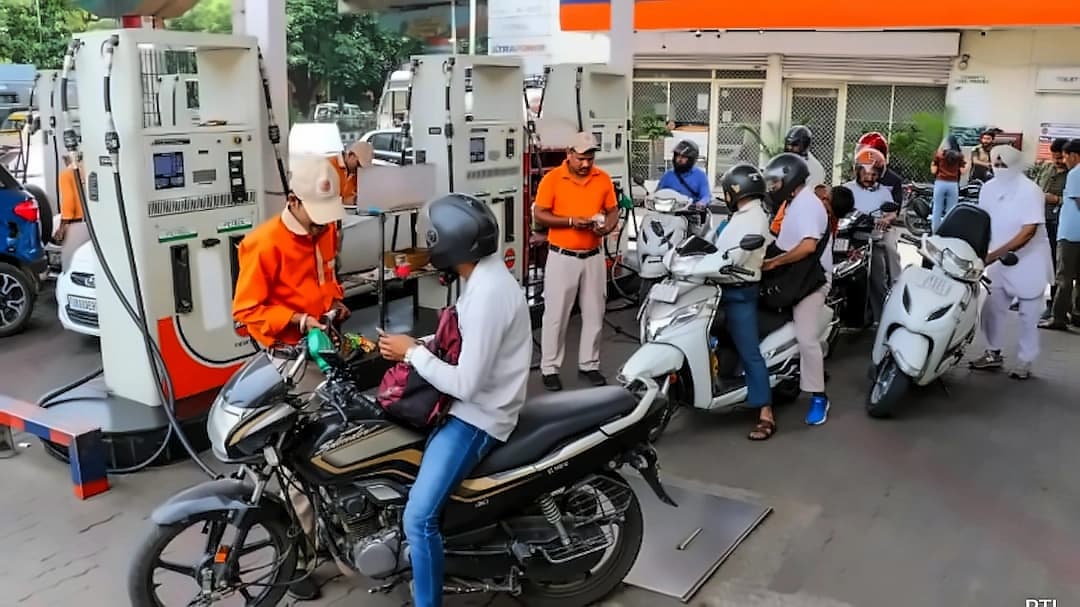
Fuel prices were increased for the second time in less than a week on Tuesday, with petrol and diesel rates going up by as much as 90 paise per litre across major metro cities. According to industry sources, this marks the second revision in fuel rates within less than a week, following a ₹3 per litre increase on Friday for the first time in more than four years. The latest revision comes as fuel prices continue to face upward pressure in the national capital, with the Centre on Monday stating it could not predict when the next fuel price revision would take place. As per Sujata Sharma, Joint Secretary at the Ministry of Petroleum and Natural Gas, the situation in the Strait of Hormuz remains not normal after more than two-and-a-half months since the West Asia crisis began.
In the national capital, petrol prices rose to ₹98.64 per litre from ₹97.77 earlier, while diesel prices increased to ₹91.58 per litre from ₹90.67, as reported by industry sources to PTI. The price increases reflect the ongoing adjustments in fuel pricing mechanisms across different metropolitan areas, with the Centre acknowledging that Indian oil firms remained under severe financial stress due to elevated crude oil and LPG costs triggered by the ongoing war in West Asia. However, officials have maintained that India currently holds adequate fuel reserves, with Sujata Sharma noting that refineries are functioning normally and the country has sufficient crude oil reserves. Retail fuel prices in India had largely remained unchanged since April 2022, apart from a one-time reduction of ₹2 per litre each in petrol and diesel announced in March 2024 ahead of the Lok Sabha elections.
Across major metropolitan cities, petrol prices increased by 87 paise to ₹98.64 per litre in Delhi, while diesel became costlier by 91 paise to ₹91.58 per litre. Mumbai recorded the highest petrol price increase of 91 paise to ₹107.59 per litre, with diesel prices rising by 94 paise to ₹94.08 per litre. Kolkata witnessed the sharpest increase in petrol prices among the four metros, with rates climbing by 96 paise to ₹109.70 per litre, while diesel prices there rose by 94 paise to ₹96.07 per litre. Chennai saw petrol prices increase by 82 paise to ₹104.49 per litre and diesel rates rise by 86 paise to ₹96.11 per litre. Recent data shows Gurgaon at ₹99.29 for petrol and ₹91.80 for diesel, while Hyderabad commands the highest rates at ₹111.88 for petrol and ₹99.95 for diesel.
According to experts, the latest fuel price hike reflects the pressure of elevated global crude oil prices and rising import costs on the government's fiscal position. Jateen Trivedi, VP Research Analyst—Commodity and Currency at LKP Securities, explained that while the increase may temporarily add to inflation concerns and impact transportation and consumption costs, it also indicates the government's focus on managing fuel subsidies and protecting forex reserves amid ongoing global uncertainty. In the longer term, analysts said such moves may further accelerate the push towards EV adoption and reduced dependence on imported fuel. With global crude prices continuing to climb beyond the $100 per barrel mark, compared with earlier levels of around $70, and retail prices in the country remaining unchanged, Oil Marketing Companies faced mounting losses of up to ₹1,000 crore per day. Oil Marketing Companies such as Indian Oil Corporation, Bharat Petroleum Corporation Limited and Hindustan Petroleum Corporation Limited had suspended the daily fuel price revision mechanism in April 2022, aiming to shield consumers from sharp price increases.