State-run oil marketing companies Indian Oil, Bharat Petroleum, and Hindustan Petroleum implemented a ₹3 per litre hike in petrol and diesel prices on Friday, marking the first rate increase in more than four years. According to reports from The Times of India, the rates vary across cities due to state-level taxes, with petrol ranging from ₹103.67 to ₹108.74 per litre and diesel from ₹93.14 to ₹99.67 per litre across different metros. The price hike comes against the backdrop of rising global crude oil prices triggered by escalating tensions in West Asia, particularly the ongoing conflict involving Iran and the United States. Private fuel retailers like Nayara and Shell had already increased prices in March, while domestic cooking gas LPG prices were raised by ₹60 per cylinder. Additionally, oil marketing companies have also raised CNG prices by ₹2 per kilogram, with the new CNG rate in Delhi at ₹79.09 per kilogram.
Global crude oil prices have surged dramatically from the $70-72 per barrel range before the Middle East conflict to above $120 per barrel at one time, now hovering in the $104-110 range. As reported by The Times of India, the crude oil basket that India imports is averaging at around $113-114 per barrel, up from $69 in February. Oil minister Hardeep Singh Puri revealed that the three state-run fuel retailers were losing around ₹1,000 crore per day in their bid to keep petrol and diesel prices unchanged. Despite the government's excise duty cut of ₹10 per litre each on March 27, oil companies were still losing as much as ₹14 per litre on petrol and ₹42 per litre on diesel before Friday's decision. The ongoing tensions near the Strait of Hormuz, one of the world's most crucial oil transit routes handling nearly 20% of global crude oil trade, have reportedly impacted shipping routes and increased pressure on India's import bill and foreign exchange reserves. The warning comes at a time when global crude oil prices have surged past the psychologically important $100 per barrel mark due to fears of prolonged supply disruptions linked to the US-Iran conflict.
India's state-run oil marketing companies are facing an unprecedented financial crisis with the combined under-recovery on petrol, diesel and LPG reaching nearly ₹30,000 crore every month, according to Sujata Sharma, Joint Secretary in the Union Petroleum Ministry. Speaking at the CII Annual Business Summit 2026, Petroleum Minister Hardeep Singh Puri warned that the ongoing energy crisis triggered by the Middle East conflict has sharply increased pressure on Indian fuel retailers. The minister estimated that their combined quarterly losses could touch around ₹1 lakh crore if current trends continue, with the three major public sector oil retailers projected to report combined losses of nearly ₹1.2 lakh crore in the first quarter of FY27 alone. As reported by Freepress Journal, Puri stated that the financial stress on state-run fuel retailers has become so severe that a single quarter of losses at prevailing crude price levels could potentially erase their entire profit after tax for FY26. The Centre had already cut excise duties on petrol and diesel, sacrificing nearly ₹14,000 crore in monthly revenue, but under-recoveries continue to widen despite these measures.
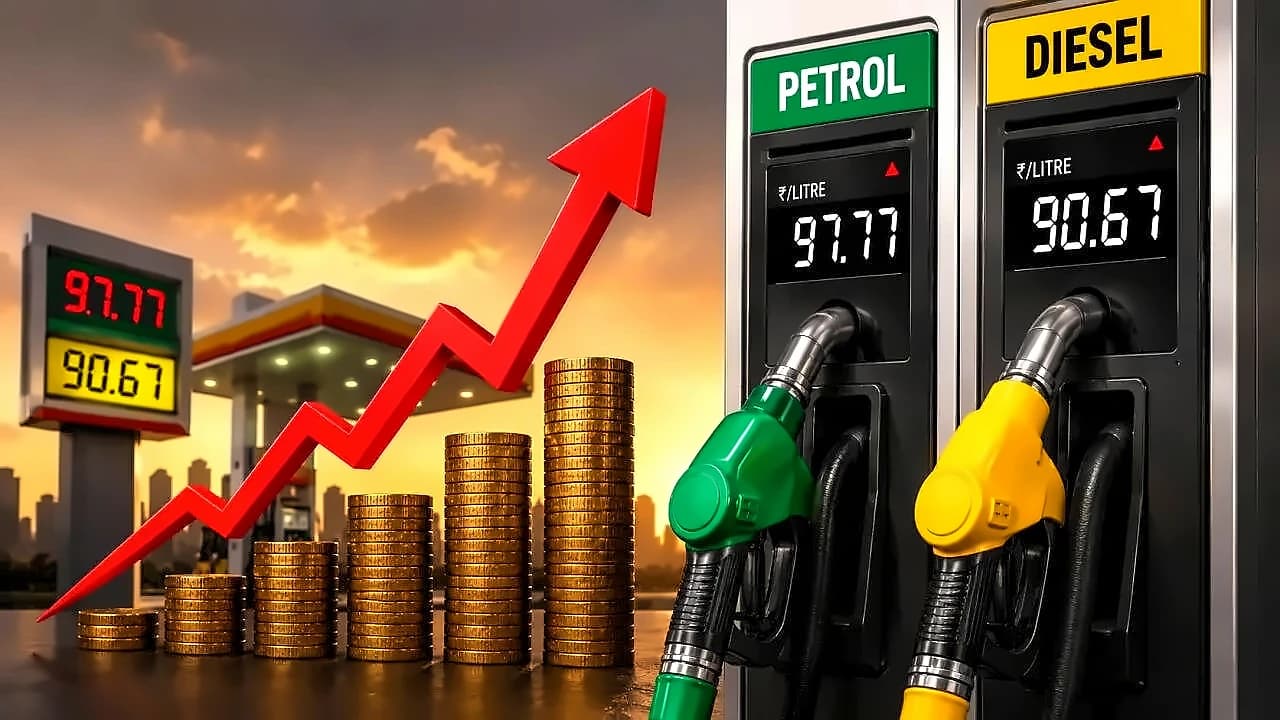
Government officials have pointed out that India imports nearly 85% of its crude oil requirements, making the country highly vulnerable to global supply disruptions. Recently, Prime Minister Narendra Modi urged citizens to reduce petrol and diesel consumption and adopt eco-friendly modes of transport to conserve fuel amid the global crisis. The ₹3 per litre hike represents only about one-tenth of the actual losses being incurred by OMCs, indicating that further price adjustments may be necessary if current crude oil price trends continue. Economic experts suggest that further price increases may be necessary given the sustained crude oil price surge, with staggered price increases potentially taking the cumulative increase to around 10%. The ongoing tensions near the Strait of Hormuz, one of the world's most crucial oil transit routes handling nearly 20% of global crude oil trade, have reportedly impacted shipping routes and increased pressure on India's import bill and foreign exchange reserves.