The seven core members of OPEC+ - Saudi Arabia, Russia, Iraq, Kuwait, Algeria, Kazakhstan and Oman - have approved an increase in oil production quotas of around 188,000 barrels per day for September, marking the completion of the phased reversal of one layer of voluntary output cuts introduced in 2023. According to Zee News, this decision completes the theoretical revival of supplies halted in 2023, with the increase widely expected and marks the completion of the second of three production-cut packages introduced by the wider OPEC+ alliance. The September quota increase completes the rollback of the 1.65 million bpd voluntary production cut agreed in 2023, when the UAE was still part of the production management arrangement, as reported by Zee News. However, the bigger question for the oil market is what happens once supplies through the Middle East return to normal, as the conflict continues to severely affect oil flows through the Strait of Hormuz. President Donald Trump said this weekend the US will hold off new strikes against Iran after the Islamic Republic and other Middle Eastern nations told him they're working toward a deal, providing some hope for stabilization. However, Iran's Mehr news agency denied that Tehran had asked the US to hold off on further military action, saying Trump's claims were "nothing but a new lie", according to Zee News.
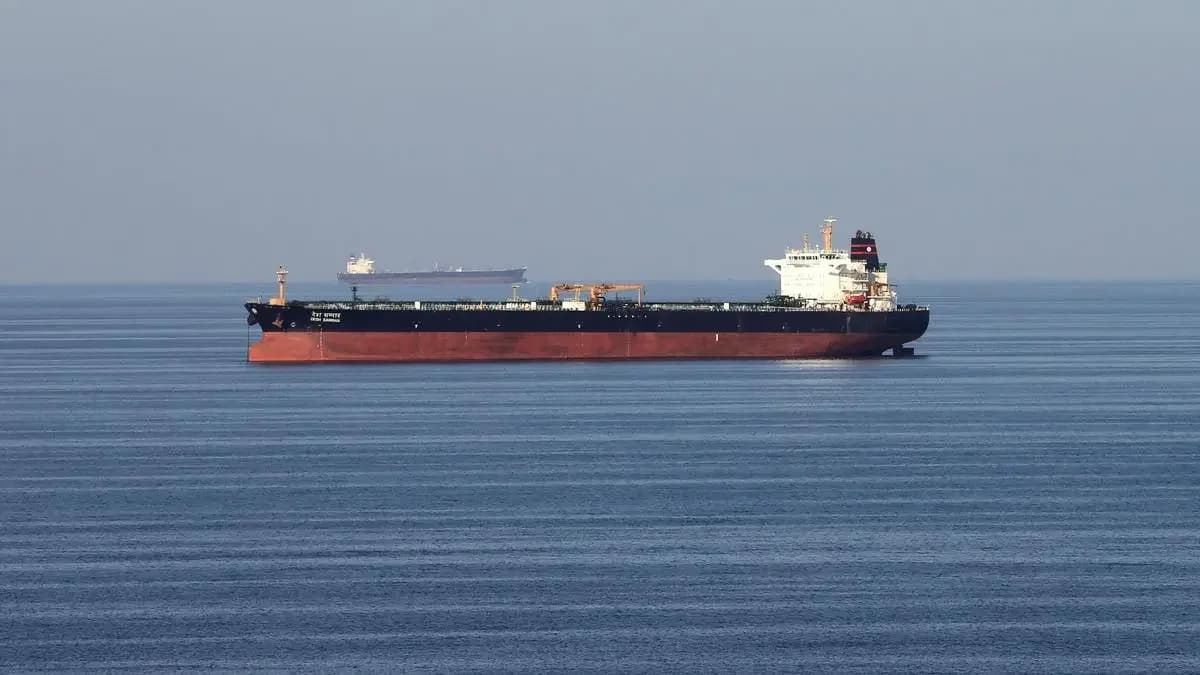
Despite the latest quota increases, actual oil output remains significantly below agreed targets, highlighting the practical challenges facing OPEC+ members. According to the latest data from a Reuters survey, the eight members of OPEC with quotas pumped 20.276 million bpd in June, which was 6.246 million bpd below the agreed target. Russia, the main non-OPEC member of the wider OPEC group, had production of 8.928 million bpd in June, according to OPEC data, which was almost 1 million bpd below its agreed quota. This gap between quotas and actual production demonstrates that the OPEC+ decision to wind back voluntary production cuts carries little weight in the current market, as the Middle East conflict continues to disrupt oil and gas exports as the Strait of Hormuz, through which 20 per cent of the world's oil and gas exports transit, remains choked. The Yemen-based Houthi group linked to Iran has announced a blockade of Saudi ports, threatening the Red Sea export route the kingdom has used as an alternative to the Persian Gulf, while separately, OPEC's Joint Ministerial Monitoring Committee (JMMC) also met on Sunday and reiterated its concern over attacks on energy infrastructure during the U.S.-Israeli conflict with Iran. Higher production quotas do not automatically translate into more oil reaching global buyers, as the UAE's exit from the OPEC+ group in May has added another layer of uncertainty, with its departure following years of frustration over production cuts and raising questions about how much longer OPEC+ members will remain willing to accept coordinated limits.
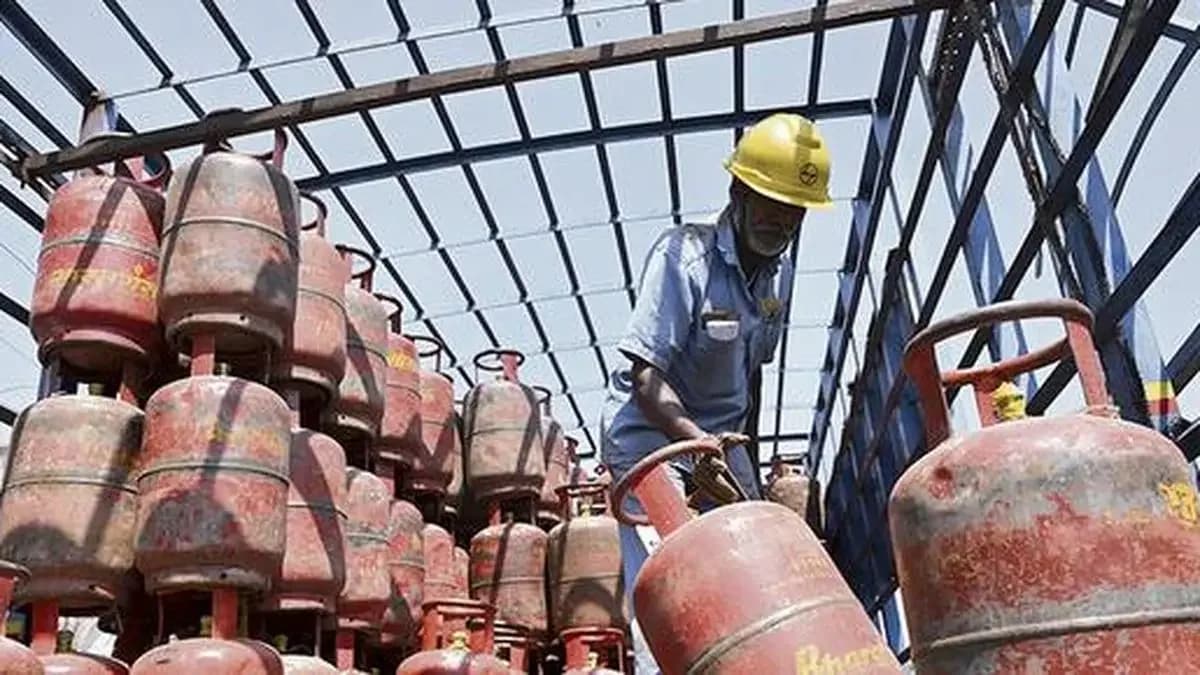
For India, one of the world's largest crude oil importers, the OPEC+ decision to raise oil production could provide significant relief on its energy bill and economic pressures. According to The Financial Express, India expects lower import costs, easing pressure on its economy as sustained increases in global crude supply could help keep prices in check if geopolitical tensions do not worsen. Lower or stable international oil prices generally reduce the country's crude import bill, easing pressure on the current account deficit and supporting the rupee. Softer crude prices also make it easier for oil marketing companies to maintain stable retail prices for petrol and diesel despite volatility in global energy markets, potentially translating into relatively stable transport costs for consumers and lower input costs for businesses dependent on fuel-intensive operations. The latest production decision could also strengthen India's position as a major buyer in global crude markets, with additional supplies entering the market and no immediate indication of fresh production cuts, giving New Delhi greater flexibility while negotiating crude purchases, particularly as it continues sourcing discounted Russian oil. However, previous production increases did not fully translate into higher global exports because of disruptions caused by the conflict in the Gulf as well as supply issues in Russia and Kazakhstan, as reported by Reuters.
Under the agreed allocation, Saudi Arabia and Russia will each increase production by 62,000 bpd, Iraq by 26,000 bpd, Kuwait by 16,000 bpd, Kazakhstan by 10,000 bpd, Algeria by 6,000 bpd and Oman by 5,000 bpd, as reported by Upstox. The countries said the increase would also provide an opportunity to accelerate compensation for excess production by members that had produced above their agreed quotas since January 2024. The seven countries reiterated their collective commitment to achieve full conformity with the Declaration of Cooperation, including the additional voluntary production adjustments that will be monitored by the Joint Ministerial Monitoring Committee (JMMC), according to the official statement. The 67th meeting of the JMMC reviewed global oil market conditions and stressed the importance of the OPEC+ production pact in supporting energy market stability, with the committee highlighting the need to safeguard international maritime routes to ensure uninterrupted energy supplies and expressing concern over attacks on energy infrastructure, saying restoring damaged facilities is costly and time-consuming and could affect overall supply availability. The committee warned that attacks on energy infrastructure or disruptions to international shipping routes increase market volatility and undermine collective efforts to support market stability for producers, consumers and the global economy.
After September, OPEC+ will likely pause output increases for three months from October, as reported by Reuters and confirmed by Bloomberg delegates. Sources indicate that production targets are likely to remain unchanged from October until new quotas take effect in January 2027, although no final decision has been made. The planned pause would leave in place roughly 2 million barrels per day of OPEC+ cuts dating back to 2022 until the group decides how to distribute additional supply among members. Ahead of the meeting, OPEC delegates had indicated the group was likely to pause further production increases during the fourth quarter of 2026, however, the official statement issued after the meeting made no mention of production plans for the final three months of the year, leaving the group's next policy direction uncertain, according to Mint. A pause was still a feasible option, said Jorge Leon, an analyst at Rystad, according to Reuters. Bloomberg reported last week that OPEC+ currently plans to hold levels steady for the rest of the year after the September hike, with the sub-group of seven nations continuing monthly meetings, with the next one scheduled for September 6. Earlier indications from OPEC+ sources had suggested that production increases could pause after the voluntary cuts were fully restored, with Leon noting that "OPEC+ has finished unwinding its voluntary cuts. The next challenge is managing the surplus that could emerge as export flows normalise".