Telangana recorded the highest combined inflation among states in August at 6.27 per cent, marking its eighth consecutive month at the top of India's inflation rankings. According to data released by the National Statistics Office (NSO), the state has maintained this position since January 2026, with its rate climbing steadily from 4.92 per cent in January to a peak of 6.36 per cent in June before easing only fractionally to 6.27 per cent in August. The state topped both rural and urban sub-tables as well as the combined ranking, with rural Telangana recording the single highest inflation reading at 6.79 per cent and urban areas at 5.88 per cent.
Tamil Nadu (5.92 per cent), Madhya Pradesh (5.55 per cent), Andhra Pradesh (5.53 per cent) and Odisha (5.52 per cent) made it to the leaderboard in August, as reported by the NSO. The rankings of the top five states have seen significant changes throughout the year, with Kerala dropping from second place in January, Sikkim rising to second in February and March, and Rajasthan holding fourth place through the first two months. All three states have since vanished from the rankings, with Rajasthan after February, and Sikkim and Kerala since April, while Karnataka dropped out entirely in August.

Analysis of the rural-urban break-up reveals that all five leading states were driven by their villages rather than their towns in August. The rural-urban gap was widest in Odisha, where rural inflation of 5.9 per cent ran above the urban rate of 4.47 per cent, and nearly as wide in Madhya Pradesh (5.93 per cent against 4.96 per cent), Telangana (6.79 per cent against 5.88 per cent) and Andhra Pradesh (5.88 per cent against 4.98 per cent). Only Tamil Nadu showed a narrow divide, at 6.10 per cent in rural areas against 5.78 per cent in urban areas. Nationally, rural inflation averaged 5.23 per cent against 4.31 per cent in urban areas in August, with the countryside being the more inflationary sector in 23 of the 28 states.
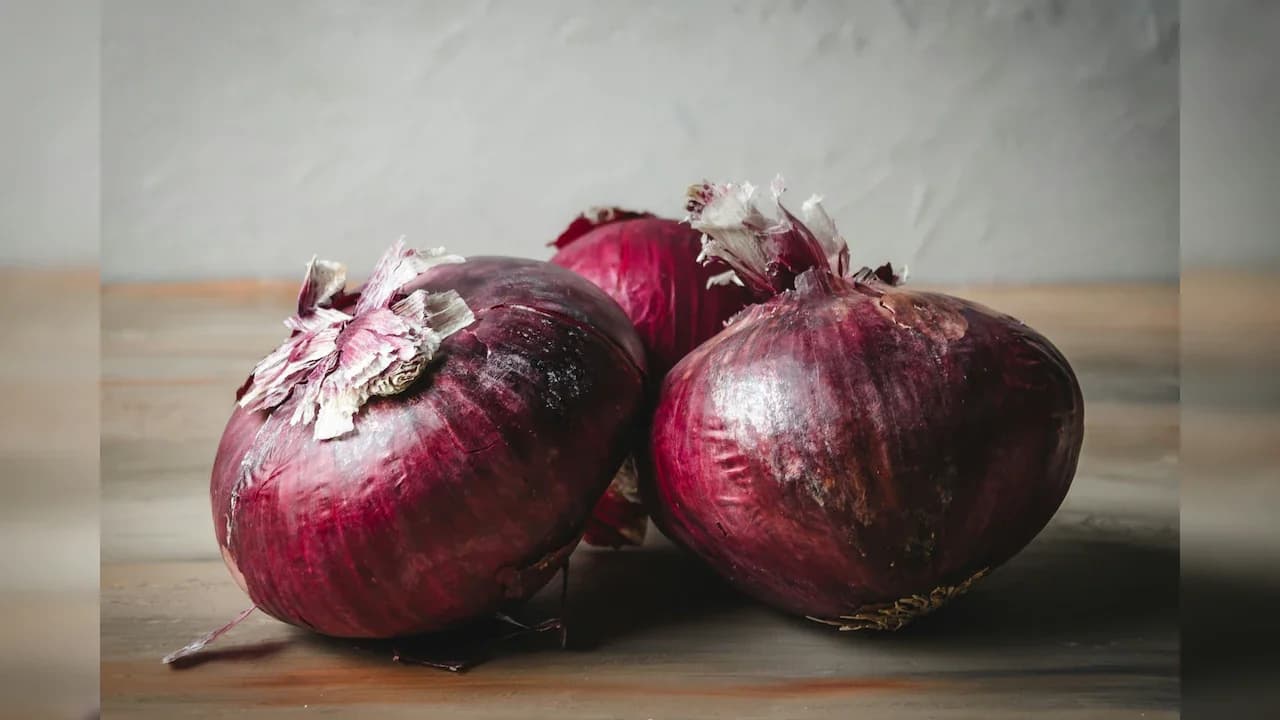
Food inflation has accelerated each month this year, with the rise having ramifications for interest rates as the country's central bank targets headline consumer price inflation. According to Bank of Baroda's chief economist Madan Sabnavis, food accounts for more than a third of the retail inflation basket and has emerged as a key driver of the country's broader inflation. Onions are nearly 50% more expensive than a year ago and ginger has surged over 70%, adding significant pressure on households just as the festive season begins. Food accounts for almost half of monthly spending for some rural families and nearly 40% in cities, making the current price surge particularly impactful on household budgets across the country. As per the daily data from Department of Consumer Affairs, price pressure in sugar, cereals and vegetables continue to mount in September.
HDFC Bank said India's core CPI inflation rose to 4.2% in August from 3.9% in July, with core inflation excluding gold and silver also increasing to 2.9% from 2.7%. The increase was broad-based across information and communication (up 1.4% month-on-month), restaurants and accommodation, household equipment and furnishing, and personal care segments. Fuel inflation rose to 3.1% year-on-year in August, registering a sequential increase of 0.3%, mainly driven by higher coal and firewood prices. HDFC Bank expects India's CPI inflation to remain elevated in the coming quarters, estimating headline inflation at 5.1% for FY27, with inflation expected to reach 6% in the third quarter and 5.8% in the fourth quarter. The bank expects the Reserve Bank of India to remain in a wait-and-watch mode at its October policy meeting, although it expects the central bank's tone to be hawkish.