State-run oil marketing companies are facing mounting financial pressure as crude oil prices surge to $117.4 per barrel on September 21, 2026, compared to an average of around $66 per barrel in 2025-26. According to rating agency ICRA, Indian Oil Corporation (IOC), Bharat Petroleum Corporation Ltd (BPCL) and Hindustan Petroleum Corporation Ltd (HPCL) are losing ₹8 per litre on petrol and ₹9 per litre on diesel, while under-recoveries on domestic liquefied petroleum gas (LPG) stood at about ₹300 per cylinder. At these levels, the daily loss to the OMCs is estimated at ₹530 crore, as reported by ICRA. The pressure comes from the escalation of the West Asian conflict and disruptions to key oil supply routes, including the shutdown of Saudi Arabia's East-West pipeline and heightened Houthi activities in the Red Sea. The price of the basket of crude oil India imports rose to USD 117.4 per barrel as on September 21, 2026, while Singapore gross refining margins have stayed above USD 10 a barrel since the start of the West Asia crisis, supported by refinery outages and supply disruptions. The rise was driven by the renewed US-Iran conflict, the shutdown of Saudi Arabia's East-West pipeline and heightened Houthi activities in the Red Sea, as noted by ICRA Senior Vice-President and Co-Group Head, Prashant Vasisht.
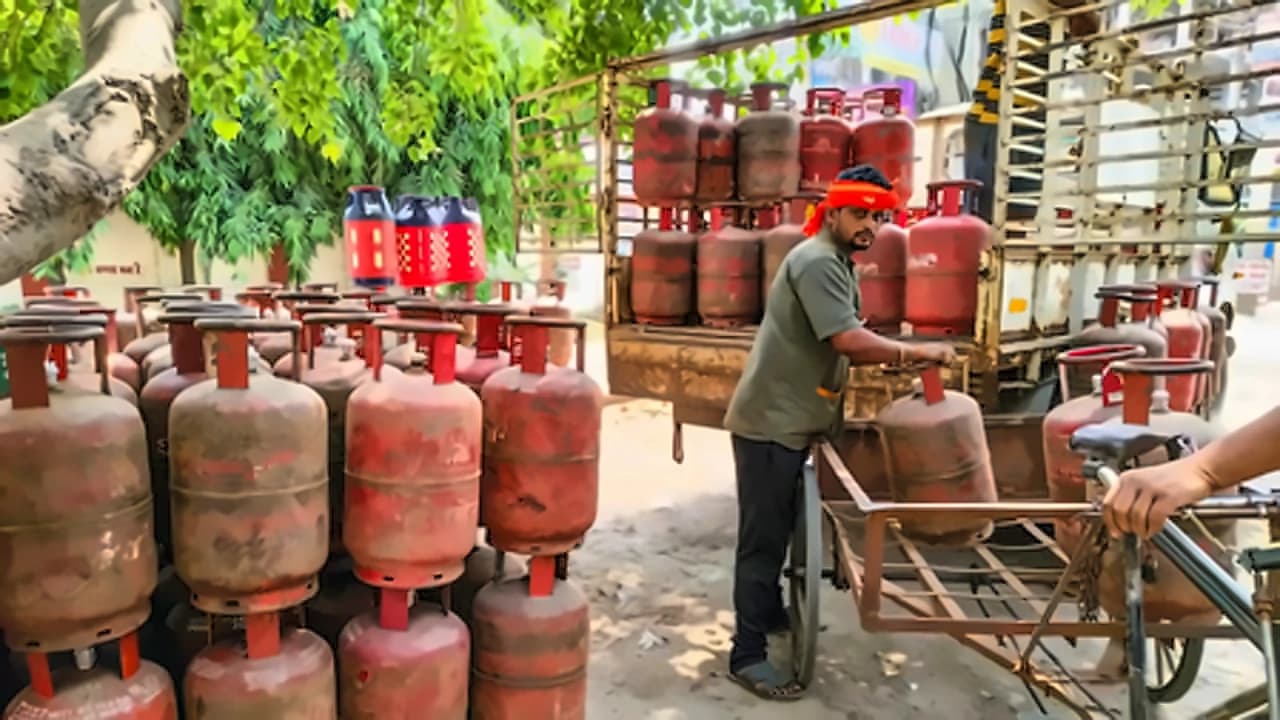
Premiums on delivered LPG supplies to India have rebounded to a near record $450 per tonne after hostilities intensified around the Bab el Mandeb strait in West Asia, according to Business Standard. Premiums on LPG, which are calculated over contract prices offered by Saudi Arabia (called Saudi Arabian CP), jumped sixfold this week from $80 per tonne levels in June during the US-Iran peace deal. Saudi Arabian contract prices for butane and propane have increased by 8-10 per cent to $660 and $625 per tonne, respectively, for September from July, as per Saudi Aramco document. OMCs imported LPG from Kuwait for early September at $200 per tonne premiums over Saudi Arabian contract prices, according to Argus. The rapid rebound in international prices of propane and butane threatens to boost under-recoveries to record levels, with imported spot LNG trading at an unaffordable $28-$30 per million British thermal units on a delivered basis. State OMCs are already weighed down by as much as ₹61,000 crore in under recoveries of LPG, or selling LPG below market levels, according to OMC data. Under recoveries per cylinder were as high as ₹680 in April and May, and softened to ₹200 per 14.2 Kg cylinder in August, as noted by ICRA's Prashant Vasisht. According to Icra estimates, cumulative LPG underrecovery increased sharply to ₹61,940 crore as of June 30, as the rise in international prices following the West Asian supply disruptions was not fully passed on to consumers. The estimated loss per domestic cylinder stood at ₹500 in the first quarter (April-June/Q1) of FY27 and remained at around ₹300 in September.
The US accounted for 16 per cent of India's LPG imports in September, down from over half last month, according to Business Standard. The United Arab Emirates (UAE) has replaced the US as India's highest supplier at 212,000 bpd this month, a threefold jump from August levels, with Adnoc shipping cargoes both via the Strait of Hormuz and by ship-to-ship transfer operations in Omani waters. The slump in US volumes comes even as India and the US are in the final stages of concluding a bilateral trade agreement where the US is insisting on higher Indian imports of US energy. Two senior refining sources said that while supply security is important, so are the economics and logistics for the LPG trade. Supplies from West Asia reach India in days compared to weeks for US shipments, orders for which are placed months in advance, the officials said. Most of India's LPG is used to run Indian kitchens — so price and availability is key, with West Asia shipments totalling 87 per cent of India's imports in pre-war February, according to calculations based on data from maritime intelligence agency Kpler.
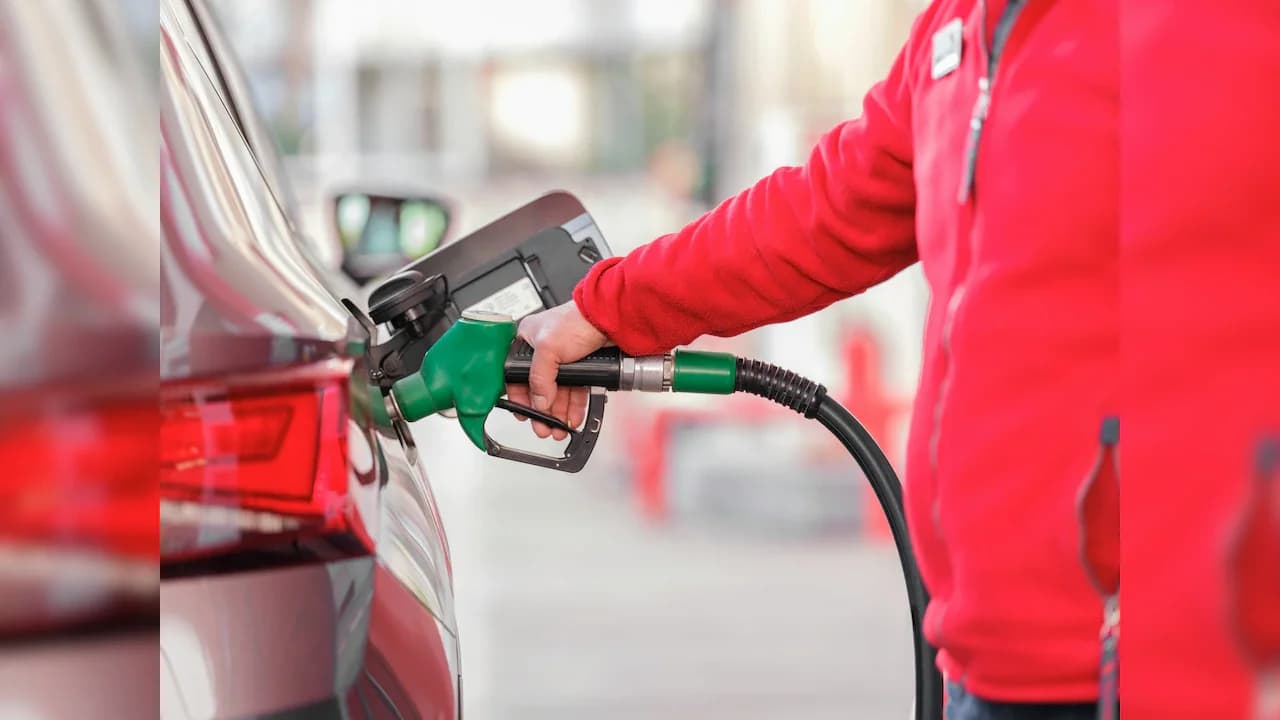
As reported by NDTV Profit, petrol prices on September 23 varied significantly across different cities. Delhi recorded the lowest petrol price at ₹102.12 per litre, while Kolkata had the highest at ₹113.51 per litre. Mumbai and Chennai both charged ₹111.21 and ₹107.77 per litre respectively, with Hyderabad at ₹115.69 per litre and Bengaluru at ₹110.89 per litre. For diesel, Delhi offered the most competitive rate at ₹95.20 per litre, while Kolkata was the most expensive at ₹99.82 per litre. Mumbai, Chennai, Hyderabad, and Bengaluru all charged ₹97.83, ₹99.55, ₹103.82, and ₹98.80 per litre respectively. These rates have remained unchanged since May 25, 2026, with no revision in fuel prices across India's major metropolitan areas. According to latest reports, Bhubaneswar recorded ₹108.97 per litre for petrol (down ₹1.52) and ₹100.68 per litre for diesel (down ₹1.47), while Chandigarh maintained ₹101.54 per litre for petrol and ₹104.40 per litre for diesel.
The recovery in fuel retailing profitability remains sensitive to crude oil prices, with the Singapore refining margin averaging $20.5 per barrel during the second quarter of FY27, according to JM Financial. Strong diesel margins, which averaged $61.7 per barrel, supported the overall refining margin. The brokerage estimates that OMCs could earn normal margins at a landed Brent crude price of around $95 per barrel under the current fuel pricing and tax structure. If the government completely reverses earlier excise duty cuts and retail fuel prices are increased, OMCs would need landed crude prices to fall to around $65 per barrel to restore normal margins. This compares with the earlier estimate of $70 per barrel before the Middle East crisis, with the change attributed to rupee depreciation and higher transportation costs. The margin outlook comes against a backdrop of elevated crude prices and pressure on OMC cash flows, with higher crude and product prices could weigh on OMC profitability and cash flows and increase their short-term borrowing requirements for working capital, as noted by ICRA. However, the refining margins of these firms are healthy on account of high cracks, with Singapore gross refining margins remaining above $10 per barrel since the start of the West Asia crisis, supported by refinery and product supply disruptions, inventory drawdowns, and outages across West Asian refining capacity.