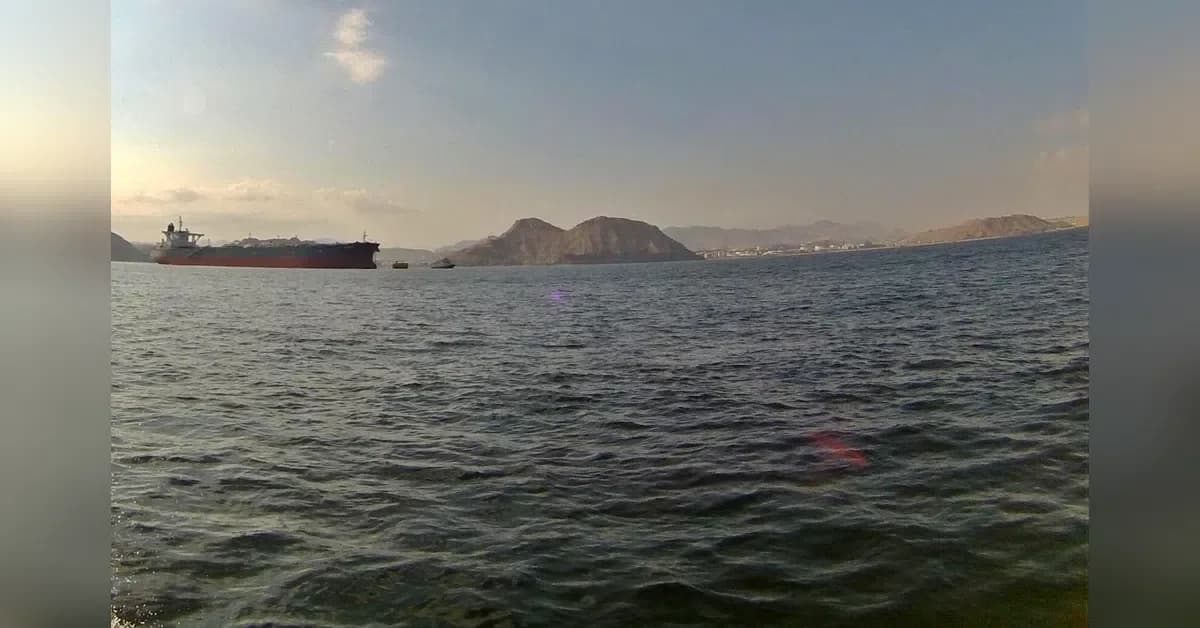
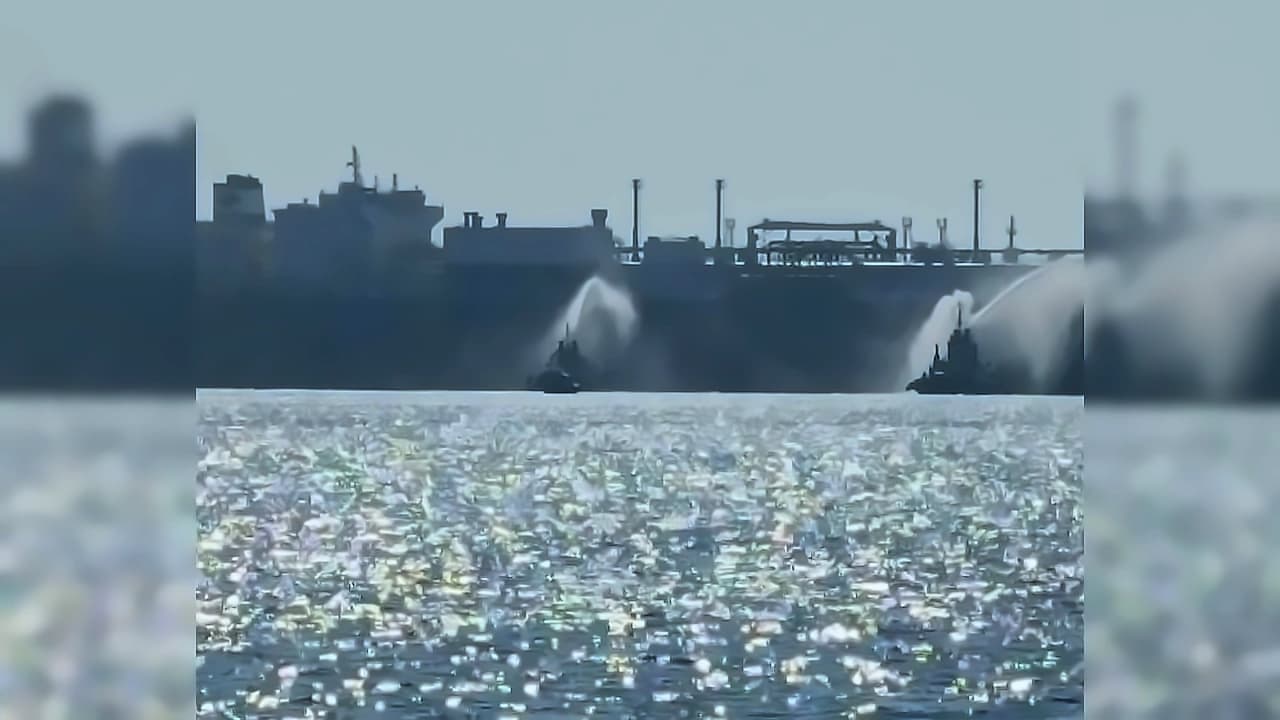
Oman has stopped crude oil loading at the Mina Al Fahal terminal following an explosion near its offshore mooring berths, suspected to be caused by a drone attack. According to Reuters reports, the explosion occurred between SBM 1 and SBM 2 berths due to an alleged drone attack, though the exact timing of the attack remains unclear. The incident has resulted in several supertankers being seen anchored off the port on Friday, as confirmed by shipping data from LSEG. The terminal is located on the Gulf of Oman, outside the Persian Gulf entirely, marking a significant geographical extension of infrastructure disruption beyond the Strait of Hormuz zone. The terminal is one of Oman's primary crude export facilities, making this suspension an immediate supply disruption with broader implications for an already strained energy market.
The incident comes amid sharply escalating Gulf tensions as Iran launched missile and drone attacks on Kuwait, damaging facilities at Kuwait International Airport and killing one person while injuring more than 60 others. According to India Today reports, Bahrain said it intercepted several missiles and drones after Iran claimed to have targeted US military assets in the region. The US military reported that some Iranian missiles failed to reach their targets and said it had struck positions near Hormuz after attempted attacks on American forces and commercial shipping. Oil prices climbed more than 2% as uncertainty grew over the future of the strait, which previously handled about 20% of global oil and liquefied natural gas shipments. The latest violence has put further strain on a fragile ceasefire reached earlier this year and raised fresh concerns about the stability of one of the world's most important energy corridors.
The tensions escalated further with conflicting claims over recent military operations in the Gulf region. Iran's state media on Thursday claimed the country's navy had targeted a US military vessel in the Sea of Oman, an allegation which was denied by US Central Command. According to Reuters, Iran's Tasnim news agency reported that the vessel was carrying a "command and control centre" and was nearing Iranian territorial waters when it was targeted. Iranian military officials said the operation was carried out in response to recent US actions against Iranian commercial vessels and alleged violations of passage regulations in the Strait of Hormuz. US Central Command rejected the claim, stating "Iran is lying. US military assets at sea continue to fly, sail, and operate safely and unimpeded." The exchange came a day after Iranian strikes on Kuwait further heightened regional tensions.
The geopolitical dimension of this incident carries particular significance given Oman's unique role as a diplomatic intermediary in US-Iran negotiations. As reported by Reuters, Oman has been serving as a diplomatic intermediary in US-Iran talks, making any destabilisation of its territory particularly consequential for peace efforts. The sultanate has maintained open lines of communication with both Washington and Tehran and served as one of the few credible neutral venues for back-channel diplomacy. Any erosion of Oman's status as neutral ground, whether through direct targeting or the spillover effects of a widening war, would remove one of the few remaining diplomatic pressure valves the region has left. Whether Friday's explosion was a deliberate strike, a rogue event, or something else entirely remains to be established, but its location on the Gulf of Oman, its effect on crude flows, and its proximity to one of the conflict's key diplomatic actors will ensure it is watched closely by energy traders, military analysts, and diplomats in equal measure.