War insurers have advised shipping companies to pause voyages through the Strait of Hormuz following renewed attacks on commercial vessels, with some underwriters reviewing policy terms after the latest incidents. According to Business Standard, war insurance rates for ships inside the Gulf have already ticked higher towards 3% of the value of a vessel from 2% at the end of last week. The insurance industry operates on a seven-day basis with reviews every 24 to 48 hours, meaning even slight increases translate to additional daily costs of hundreds of thousands of dollars. There were no immediate indications that war cover had been halted, but one underwriting source noted that 'Someone will cover you, but probably at 5% at the least'. The U.N.'s International Maritime Organization (IMO) said on Wednesday that sailings through Hormuz should be avoided 'as long as the safety and security of crews cannot be assured'.
Qatar has strongly condemned the targeting of its vessel Al-Rekayyat while transiting near the Strait of Hormuz on Monday night, describing the incident as an 'unacceptable attack' on international maritime navigation and global energy security. According to Business Standard, Majed Al Ansari, Advisor to the Prime Minister and official spokesperson for Qatar's Ministry of Foreign Affairs, stated that 'The targeting of the Qatari vessel 'Al-Rekayyat' while transiting near the Strait of Hormuz constitutes an unacceptable attack on the security and safety of international maritime navigation, the security of global energy supplies, and a grave and explicit violation of international law, particularly the rules guaranteeing freedom of navigation & safe passage through international waterways.' Qatar has held Iran legally responsible for the attack and any resulting damages, demanding that 'the Islamic Republic of Iran immediately cease all practices that undermine regional security or threaten the safety of international maritime navigation, and refrain from endangering global energy supplies'.
Iran's state broadcaster IRIB reported that the Qatari oil tanker Al-Rekayyat was targeted on Monday night after allegedly attempting to transit through the Omani route in the Strait of Hormuz with US Navy support while ignoring repeated Iranian warnings. According to Business Standard, US Central Command (CENTCOM) confirmed it executed a series of counter-offensives on July 7, striking more than 80 military positions inside Iran with precision-guided munitions. The defence establishment asserted that the primary objective was to systematically degrade Tehran's capacity to launch further disruptions against merchant shipping in the economic corridor. The targets neutralised during the multi-hour operation encompassed command-and-control networks, air defence mechanisms, coastal radar installations, anti-ship missile sites, and more than 60 Islamic Revolutionary Guard Corps (IRGC) small boats.
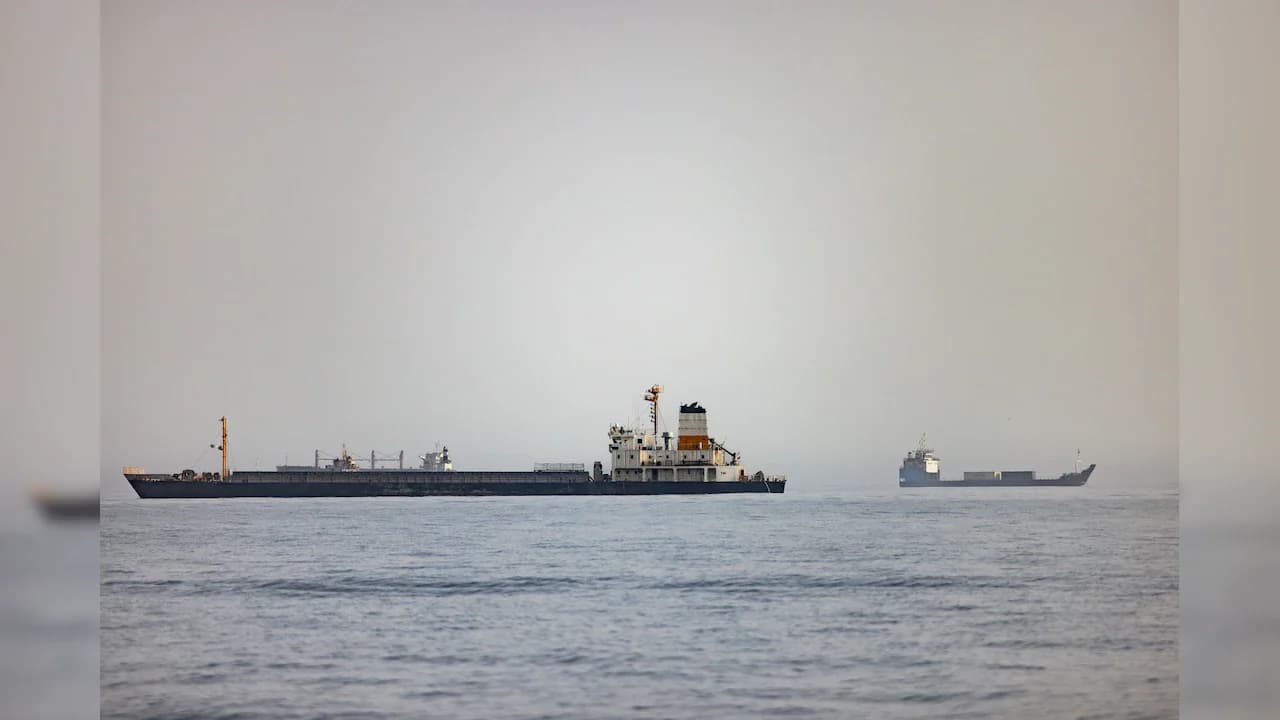
At least four oil and gas tankers have turned back from attempting to transit the Strait of Hormuz, marking a significant escalation in shipping disruptions following Iranian attacks on commercial vessels. According to ship-tracking data from analytics firms Kpler and LSEG, LNG tankers Al Ghariya, Duhail and Al Ruwais all changed course and turned away from the strait late on Tuesday. All three tankers were controlled by QatarEnergy and were empty, heading towards Qatar's Ras Laffan export facility to load cargoes. An Indian-flagged tanker carrying 2 million barrels of Kuwaiti crude also made a U-turn off the tip of Oman at the Strait of Hormuz on Wednesday, as reported by The Hindu BusinessLine.
The most significant casualty was the Al Rekayyat gas carrier, owned by Qatar's state-owned shipping company Nakilat, which was struck in the early hours of Tuesday. As per NDTV, the crew have abandoned the vessel, which is now anchored southeast of Limah, Oman, according to Pakistan's Hydrographic service. This marks the first LNG tanker from Qatar to come under attack since the war began, representing a significant setback for the country's efforts to revive exports after months of near-paralysis. Qatar's foreign ministry spokesman condemned the attack and said Iran should cease all practices that harm regional security.
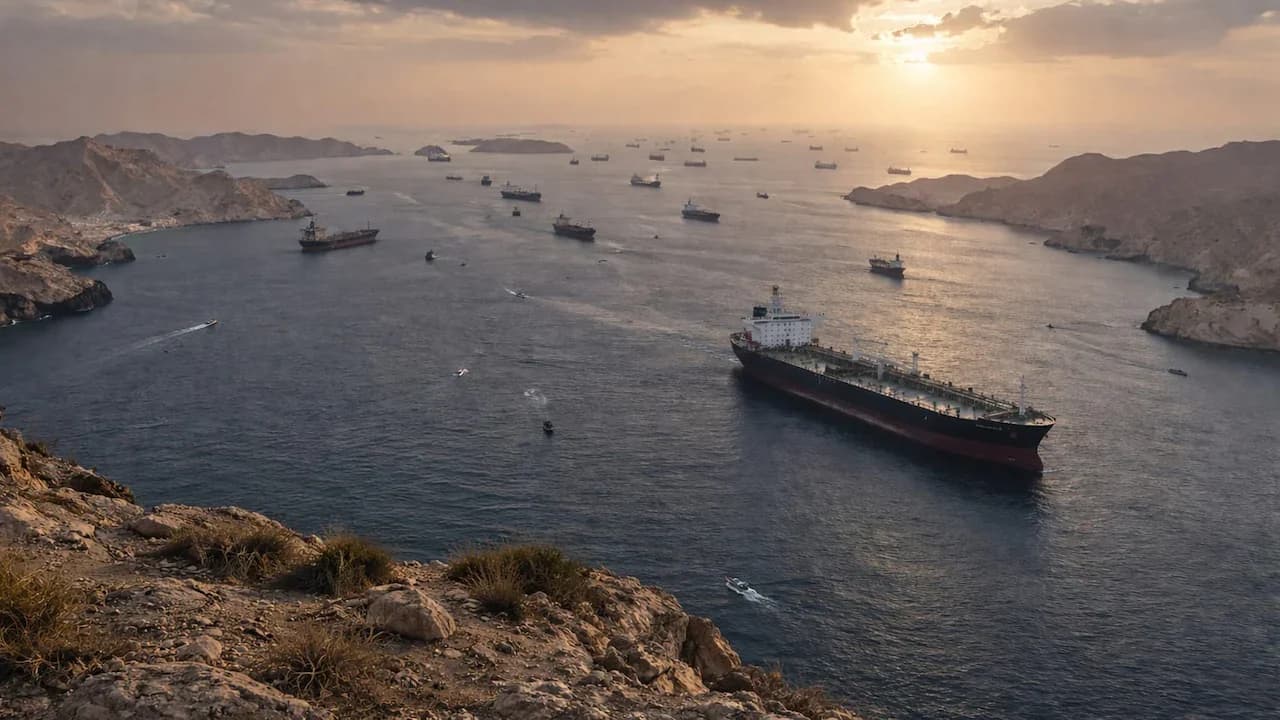
Despite the escalated security concerns, shipping continued with a handful of ships transiting Hormuz using both the Iranian and Omani routes on Tuesday. According to NDTV, a series of Japan-linked ships made their way out via the Iranian route, while a convoy of UAE-linked vessels crossed using the Omani route. Oil prices rose more than 3% on an intraday basis, while European gas futures added roughly 7%. However, the attacks have significantly disrupted normal shipping patterns, with at least 16 LNG cargoes from Ras Laffan and 10 from ADNOC's Das Island terminal having exited the strait since the conflict began in late February. This represents only a fraction of the roughly 7 million metric tons on average typically shipped from both export hubs each month, as noted by The Hindu BusinessLine.
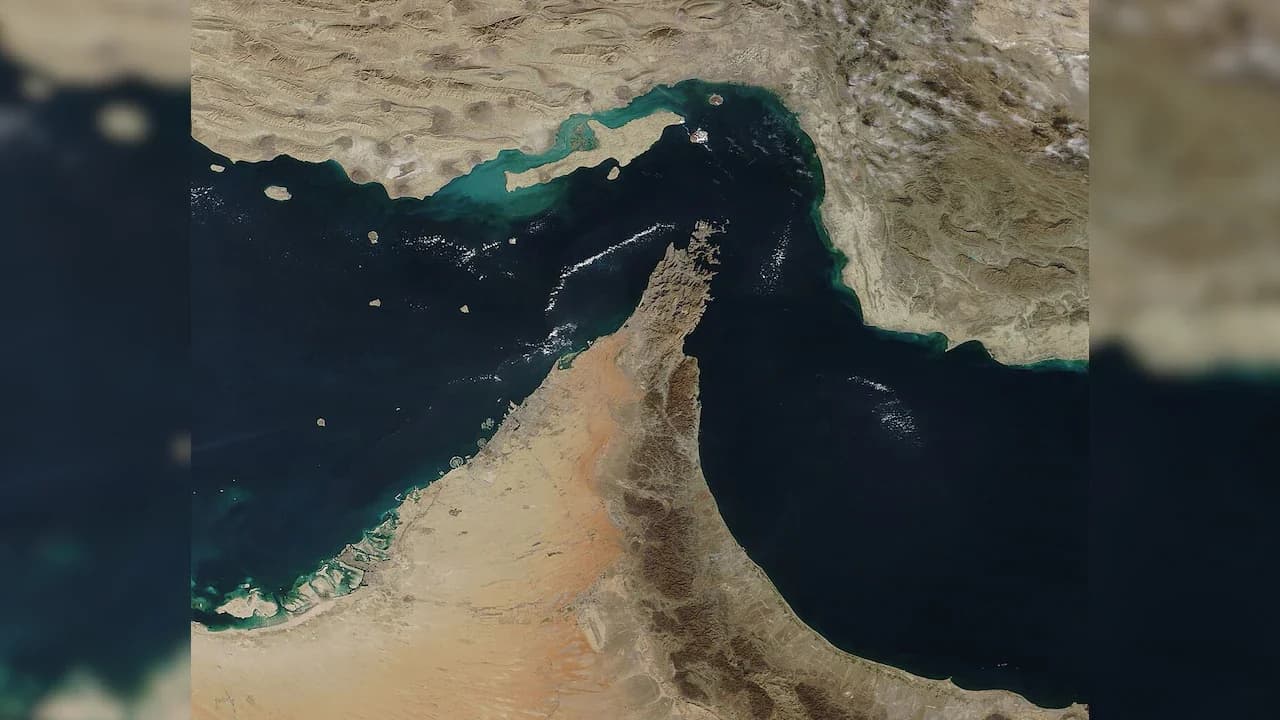
The Strait of Hormuz serves as the main maritime gateway for energy exports from the Gulf to international markets, with around 20 million barrels of crude oil passing through the waterway each day in 2024, accounting for roughly one-fifth of global crude oil exports, according to the US Energy Information Administration. The spate of incidents is a reminder of the continued risks to ships crossing through Hormuz, even with military forces protecting vessels choosing to cross by routes near Oman's coastline. Iran continues to assert its dominance over the thoroughfare, with Tehran repeatedly saying it won't allow vessels to transit the waterway without its permission and stating at the UN's maritime body that it has the right to control parts of the waterway. Traffic has improved since the agreement, but continues to face challenges and interruptions as Iran periodically blocks transits on routes it has not approved. President Donald Trump said on Wednesday that an interim agreement to end the war with Iran was 'over' and U.S. forces were likely to launch new strikes on Wednesday night following Iranian attacks on U.S. bases in the Gulf, triggering a 5% jump in global oil prices.