Crude oil futures traded lower on Friday, with August delivery contracts falling 3% to ₹7,811 per barrel on MCX, down by ₹226 or 2.81%, as reported by The Hindu BusinessLine. September futures also dipped by ₹190, or 2.43%, to ₹7,616 per barrel on the commodities bourse. The decline follows Thursday's 1.4% drop when October Brent oil futures were at $87.27, down by 0.93%, and September WTI crude oil futures were at $83.72, down by 0.88% as of 9.39 am on Thursday. The latest fall comes despite the continued exchange of strikes between the US and Iran in West Asia, with Brent oil futures for September delivery declining $1.81, or 2.03%, to $87.22 per barrel on the Intercontinental Exchange and WTI September contract slipping $1.80, or 2.15%, to $81.79 per barrel on the New York Mercantile Exchange.

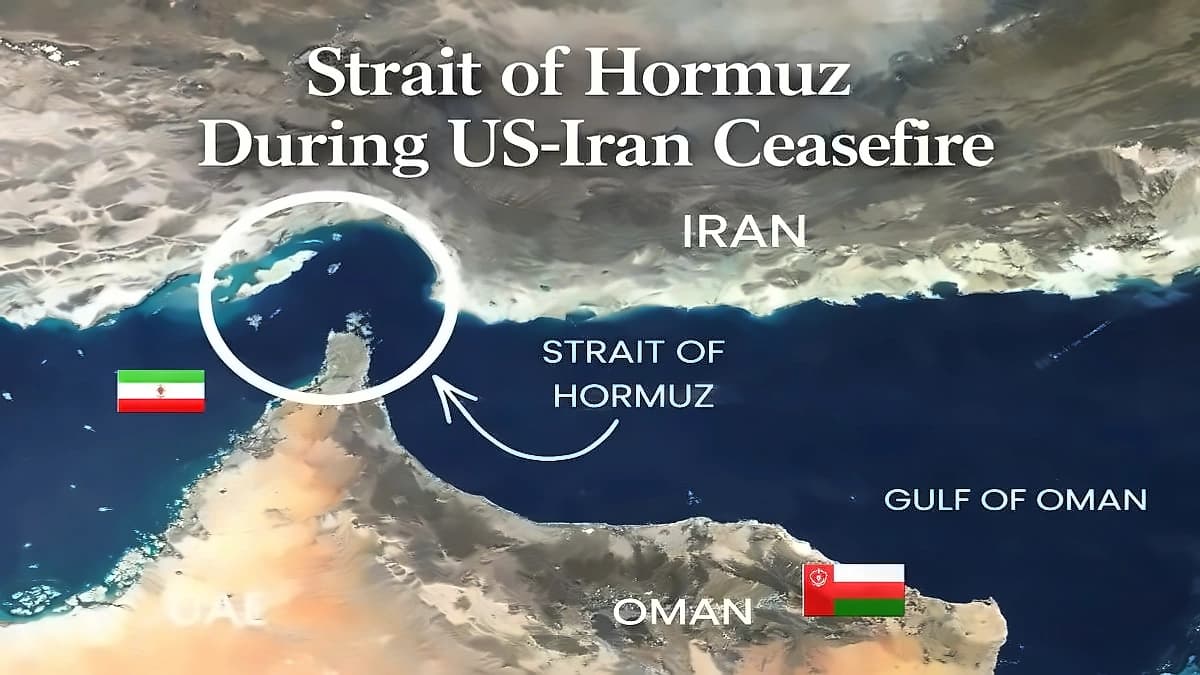
Traders said signs of improving oil shipments through key West Asia maritime routes reduced the geopolitical risk premium in crude, prompting selling in domestic futures, according to The Hindu BusinessLine. According to Kpler shipping data, 25 commodity vessels transited the Bab el-Mandeb Strait on Thursday, though traffic through the Hormuz remained limited at two tankers. The improvement in shipping activity followed last week's threat by Yemen's Houthi to blockade Saudi vessels, which had briefly pushed crude prices above the $100-per barrel level. Saudi tankers also resumed movement through the Bab el-Mandeb Strait, contributing to the reduced supply disruption concerns. Pinky Yadav, Commodity Fundamental Analyst at Choice Broking, noted that MCX crude oil prices declined tracking weakness in the energy market as crude shipments through key West Asia maritime routes improved despite limited progress in US-Iran negotiations.
A statement by the US Central Command said its forces successfully completed a heavy wave of strikes against Iran at 10 pm ET on July 29, in response to attempted missile attacks on US forces on July 28. US Central Command assets struck dozens of Islamic Revolutionary Guard Corps (IRGC) targets in Iran, including military command centres, missile and drone facilities, coastal surveillance and defence sites, and maritime capabilities, as reported by The Hindu BusinessLine. The strikes aimed to further diminish threats posed by Iran and its proxies to American forces, commercial shipping, and neighbouring Gulf countries. On July 28, IRGC forces launched multiple ballistic missiles from Iran in an attempted surprise attack on US forces based in West Asia, but all Iranian missiles were successfully intercepted, according to the US Central Command.
The US EIA (Energy Information Administration) weekly petroleum status report showed a decline in crude oil inventories for the week ending July 24, according to The Hindu BusinessLine. US commercial crude oil inventories decreased by 7.2 million barrels from the previous week, reaching 404.5 million barrels, about 6 per cent below the five-year average for this time of year. Total products supplied in the US over the last four-week period averaged 20.3 million barrels per day, down by 2.3% from the same period last year. Motor gasoline product supplied averaged 8.9 million barrels per day over the past four weeks, down by 0.3% from the same period last year, while distillate fuel product supplied averaged 3.7 million barrels per day, up by 4.7% from the same period last year. Jet fuel product supplied was up 5.8% compared with the same four-week period last year.
August crude oil futures were trading at ₹7,811 on Multi Commodity Exchange (MCX) on Friday, against the previous close of ₹8114, down by 1.16%, as reported by The Hindu BusinessLine. September futures were trading at ₹7,616 against the previous close of ₹7898, down by 0.90%. The domestic market response reflects the broader global crude oil price movements amid ongoing US-Iran tensions and improved shipping activity through key West Asia routes. Pinky Yadav from Choice Broking noted that crude prices weakened globally after tanker traffic through the Strait of Hormuz increased, with more vessels transporting millions of barrels of oil. However, concerns over global disruptions persisted after fresh strikes again halted crude loadings at Kazakhstan's key Black Sea export terminal.