Brent crude futures extended gains on Friday, trading 0.44% higher at $102.76 a barrel after surging more than 4% in the previous session, marking a third consecutive day of gains as the US considers deploying additional military assets to the Middle East. West Texas Intermediate rose 2.7% to close at $92.87 a barrel on October 1, with Brent crude jumping 4.4% to settle at $102.31 a barrel on the same day. October crude oil futures on Multi Commodity Exchange (MCX) traded at ₹8,572, down 1.85% from the previous close of ₹8,734, while November futures were at ₹8,421, down 1.74%. Brent remains almost 70% higher this year as the US-Iran war stretches into an eighth month, with little progress toward a diplomatic resolution. As per ANZ Group Holdings Ltd. analysts, the oil market is highly susceptible to another price spike, with inventories at low levels following six months of drawdowns.
US Treasury Secretary Scott Bessent announced that Iran will have no oil shipments at sea and no related revenues this week as Washington intensifies its economic pressure on Tehran under Operation Economic Outcast. Speaking to The Axios Show, Bessent stated that "For the first time in history, since they started pumping oil, they will have no oil on the water this week. They will have no revenues." According to Axios, Bessent explained that the US campaign against Iran has moved through several stages, from military action to a blockade and now an intensified effort to isolate the Iranian economy. This represents a significant escalation in US economic warfare against Iran, potentially marking a complete disruption of the country's oil export capabilities.
China has halted fuel exports for the week starting Thursday, with Beijing restricting refiners from exporting to regions other than Hong Kong and Macau, according to Reuters sources. China started a weeklong holiday on Thursday without giving major refiners a green light to export to regions other than Hong Kong and Macau in October, with it not clear whether Beijing would resume permitting refiners' exports after the holiday ends on October 7. This development adds to market concerns about global fuel supply disruptions, with China having previously imposed a liquid fuel export ban in March after the outbreak of the US-Israeli war on Iran, then relaxing the curbs in July before managing diesel, gasoline and jet fuel shipments on a monthly basis. The export restrictions come as Chinese refiners have canceled several gasoline and jet fuel export shipments planned for October, according to Reuters, with the move potentially indicating that Beijing is looking to preserve domestic fuel supplies amid heightened uncertainty in global energy markets.
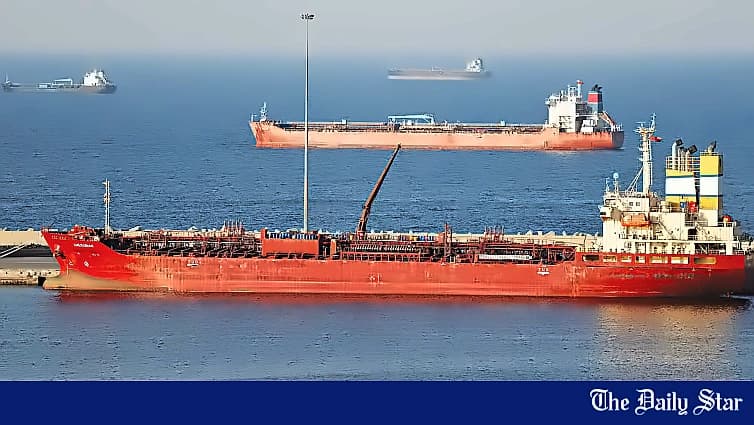
Crude oil flows from the Strait of Hormuz have recovered to 17.5 million barrels per day, representing 98% of pre-war levels according to latest JPMorgan analysis. Goldman Sachs estimates that around 23.3 million barrels a day of oil left the Middle East in the latest week, including "dark exports" involving ships operating with their location transponders turned off, which is roughly in line with the region's 2025 average. However, at least three tankers have been reportedly attacked this week while attempting to transit the Strait of Hormuz, according to maritime security agencies monitoring the region, with the extent of damage and any environmental impact unclear. This remarkable recovery comes despite continued shipping risks and ongoing US-Iran tensions entering their eighth month. Goldman Sachs reports that Gulf oil exports have recovered to 23.3 million barrels per day over the last week, with exports doubling in September as per their latest note.
The Wall Street Journal reported that the US is sending a third aircraft carrier strike group to the Middle East, as President Donald Trump weighed resuming strikes on Iran after the US midterm elections. Trump told reporters at the White House: "Now I have to make a decision. They'll either sign a very fair deal, or they'll won't exist any longer", according to The Economic Times. The US has also advised European countries to cut down on their emergency diesel reserves, with the Trump administration telling Germany and France to draw down emergency diesel inventories to help ease soaring global fuel prices or face a potential US diesel export ban, according to three people close to the discussions. A source told Reuters that the US has asked the EU to release 120 million barrels of diesel over the next six months, with EU countries holding nearly 109 million tons of emergency crude and fuel stocks. The USS Theodore Roosevelt left San Diego on a scheduled deployment on Sunday, while the USS George H.W. Bush and USS George Washington are already stationed in the region, adding to the military buildup in the Middle East. Geopolitical friction has escalated further following news that the US Central Command destroyed five Iranian crude carriers on September 9 as part of ongoing military operations involving Iranian maritime oil transport.