Oil prices edged up on Thursday, paring some previous losses as investors monitored peace talks between the US and Iran, with Brent crude futures rising $0.78, or 0.74%, to $105.80 a barrel by 0341 GMT and US West Texas Intermediate futures up $0.84, or 0.85%, at $99.10. This recovery comes after oil prices fell about 6% on Wednesday following U.S. President Donald Trump's announcement that negotiations with Iran were in the final stages. As per ING analysts, the oil market remains overly sensitive to Iran-related headlines, with participants continuing to pin considerable hope on reports that talks between the US and Iran are progressing. However, they noted that "we've been in this situation multiple times before, which ultimately led to disappointment," forecasting the Brent price would average $104 per barrel in the current quarter.

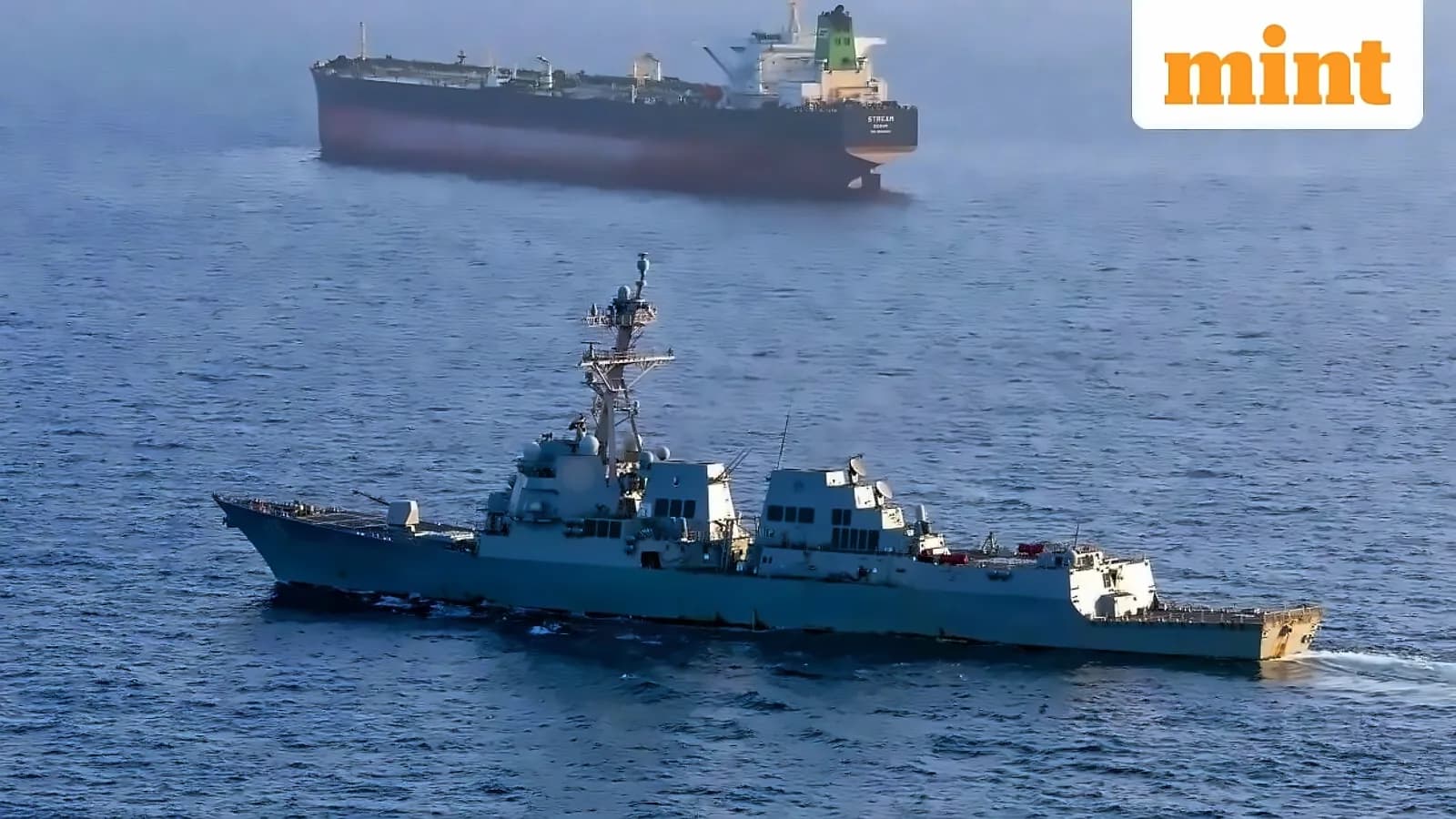
The number of vessels crossing the Strait of Hormuz remains well below the 130 or so ships that crossed daily before the war, with Iran effectively closing the strait in response to US and Israeli attacks that started the war on February 28. On Wednesday, Iran announced a new "Persian Gulf Strait Authority," saying there would be a "controlled maritime zone" in the Strait of Hormuz. Most of the fighting has stopped since an April ceasefire, but while Iran is limiting traffic through Hormuz, the US has blockaded its coastline. The supply losses from the key Middle Eastern region have forced countries to pull from their commercial and strategic inventories at a rapid rate, raising concerns about draining them.
The supply disruptions have forced unprecedented action from major oil producers. The US Energy Information Administration (EIA) said on Wednesday the US withdrew nearly 10 million barrels of oil from its Strategic Petroleum Reserve, the biggest drawdown on record. Underlining the impact of the supply disruptions in the Middle East was EIA data showing a bigger-than-expected decline in US crude oil inventories in the week ended May 17. As per Gao Mingyu, chief researcher for energy and chemicals at China Futures, "the drawdown in oil inventories will make it difficult for oil prices to remain low. With the Strait of Hormuz blocked, global refined-product and onshore crude inventories are expected to fall below their lowest levels for this time of year in the past five years by late May and late June."
Despite the recent recovery, analysts maintain concerns about prolonged supply disruption risks. Citi analysts said on Tuesday that they expect Brent crude to rise to $120 a barrel in the near term, stating that oil markets are underpricing the risk of prolonged supply disruption. Wood Mackenzie estimated that it could approach $200 if the Strait of Hormuz stays largely shut until the end of the year. Similarly, PVM analysts said global oil stocks could reach critically low levels. As John Kilduff, partner at Again Capital, noted: "You've got to take all these pronouncements with a grain of salt these days, but the market was also quick to reward it and price in the hope of a resolution."