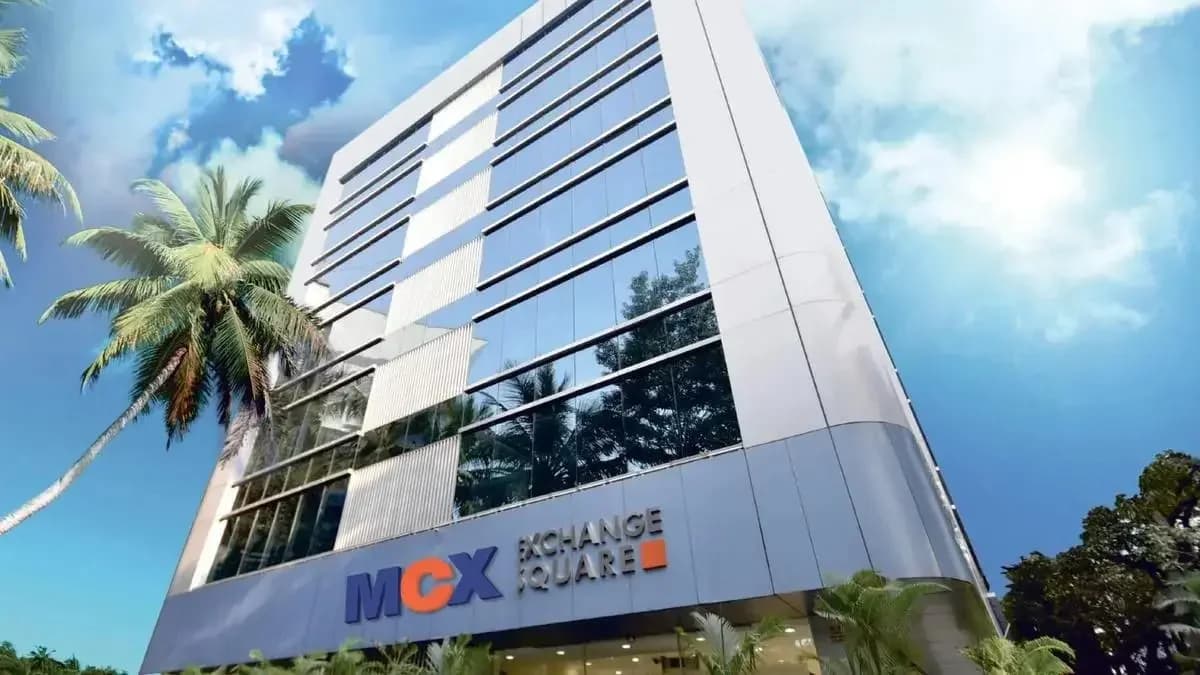
The Multi Commodity Exchange of India (MCX) achieved its highest-ever trading turnover of ₹62.93 lakh crore on August 28, 2026, driven by rising gold prices and increased market participation. According to trade statistics on the exchange website, total futures and options turnover reached ₹62,93,465.46 crore, with more than 3.13 crore contracts traded across the platform. Options accounted for ₹61,84,516.04 crore of the total turnover, while futures contributed ₹1,08,949.42 crore. The record performance reflects the growing depth and participation in India's commodity derivatives market, as reported by The Economic Times.
The record turnover was primarily attributed to a sudden rise in gold prices and improved participation amid volatile metal prices. As reported by The Economic Times, this performance comes as MCX has been taking steps to strengthen the link between the physical commodity market and its derivatives platform. The exchange introduced Good Delivery Norms for primary aluminium, refined copper and refined zinc earlier this year, establishing a transparent framework for empanelment of producing plants and acceptance of metal for delivery against exchange contracts.
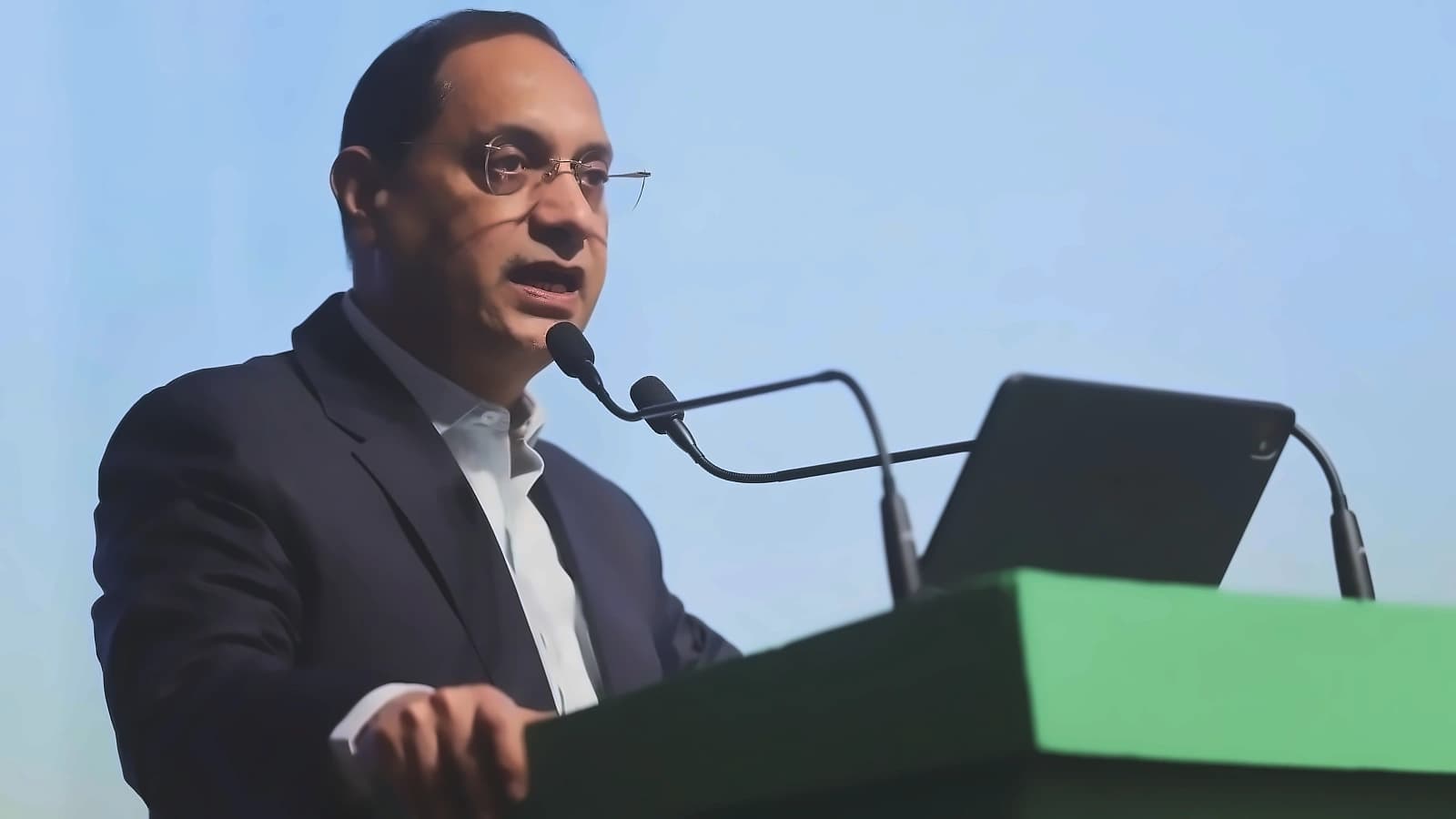
Naveen Mathur, commodities market expert and Director – Commodities, Currencies and GIFT City at Anand Rathi Share and Stock Brokers, stated that the record turnover reflects the growing depth and participation in India's commodity derivatives market. According to The Economic Times, he emphasized that the rise in participation demonstrates the increasing relevance of organised commodity markets for hedgers, traders and investors. Mathur noted that initiatives that strengthen the linkage between the physical and derivatives markets, including standardised delivery and quality frameworks, add credibility to the ecosystem.
Industry experts emphasized the importance of continued product innovation and broader participation in deepening India's commodity markets. As reported by The Economic Times, Mathur highlighted that the framework incorporates auditing, assaying and testing at producing plants, providing market participants greater assurance on the quality and acceptability of deliverable metal. A wider pool of standardised, exchange-approved supply could also support participation and hedging activity in the underlying contracts, supporting further growth in India's commodity derivatives market.