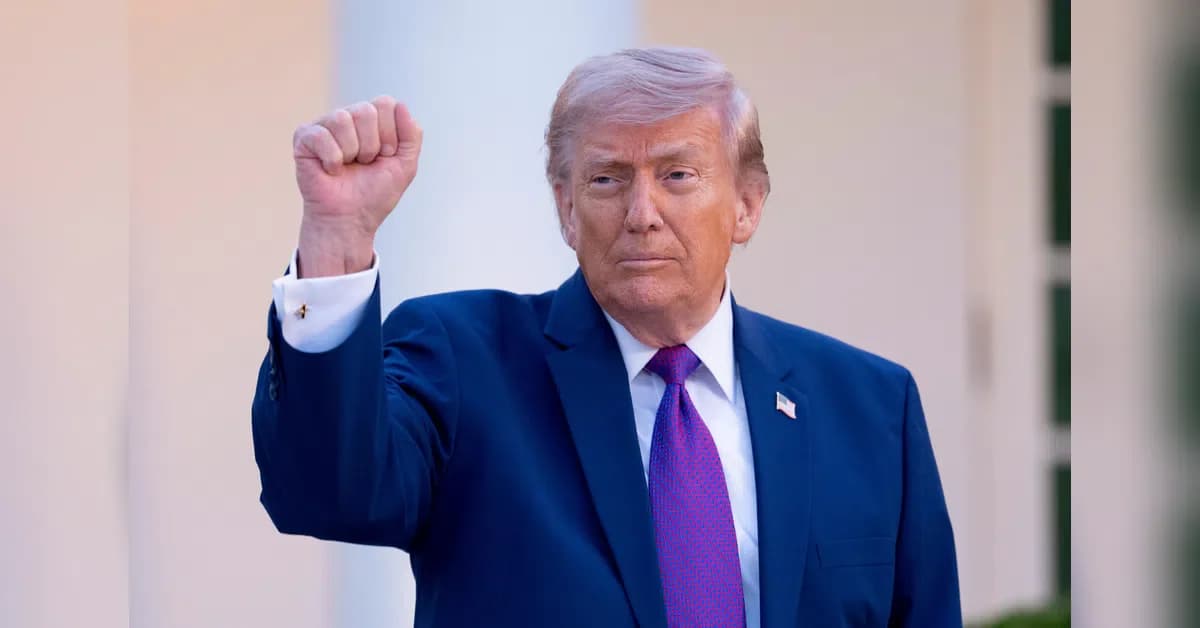
President Donald Trump has escalated pressure on Iran, hinting at new military action after revealing he had come within an hour of ordering a new bombing campaign before pausing again. According to Business Standard, Trump told reporters at the White House on Tuesday that 'I was an hour away from making the decision to go today' to restart the military campaign. This latest disclosure provides additional context to his earlier announcement on Truth Social that he had called off a planned strike on Iran following appeals from Gulf allies for additional time. A number of desks were not even aware this was in the works, highlighting the fragility of the current situation and the rapid pace of decision-making in the administration. The president's latest comments come six weeks since Trump paused Operation Epic Fury for a ceasefire, with talks to end the war having largely stalled.
Iran has responded to potential US military action with increasingly aggressive threats, with the Revolutionary Guards warning on Wednesday that 'if aggression against Iran is repeated, the promised regional war will extend beyond the region this time' according to state media. As reported by Business Standard, Iran has repeatedly threatened to retaliate for any new attacks by striking countries in the Middle East that house US bases, but Wednesday's statement suggests Iran would also target countries further afield. This represents a significant escalation in Iran's response strategy, moving beyond traditional regional retaliation to potential global operations. The threats come as Iran submitted a new offer to the United States this week, but its public accounts repeat terms previously rejected by Trump, including demands for control of the Strait of Hormuz, compensation for war damage, lifting of sanctions, release of frozen assets and the withdrawal of US troops.

Oil markets continue to experience significant volatility as traders navigate the latest developments in US-Iran relations. Benchmark one-month Brent crude futures eased about 1.5% on Wednesday morning, just below $110 a barrel but still well above last week's levels, according to Business Standard. The fluctuating US stances have sent oil prices bouncing up and down from day to day, though they have risen week by week since early May. Brent crude has reached $111 per barrel as of the latest reports, maintaining elevated levels above the $100 per barrel threshold. The fragility of the situation was further demonstrated over the weekend after a drone strike was reported near a UAE nuclear power plant, adding to market uncertainty. The latest developments have created what analysts describe as a 'planned' attack on Iran that was called off, with the situation described as 'fragile' by market participants.
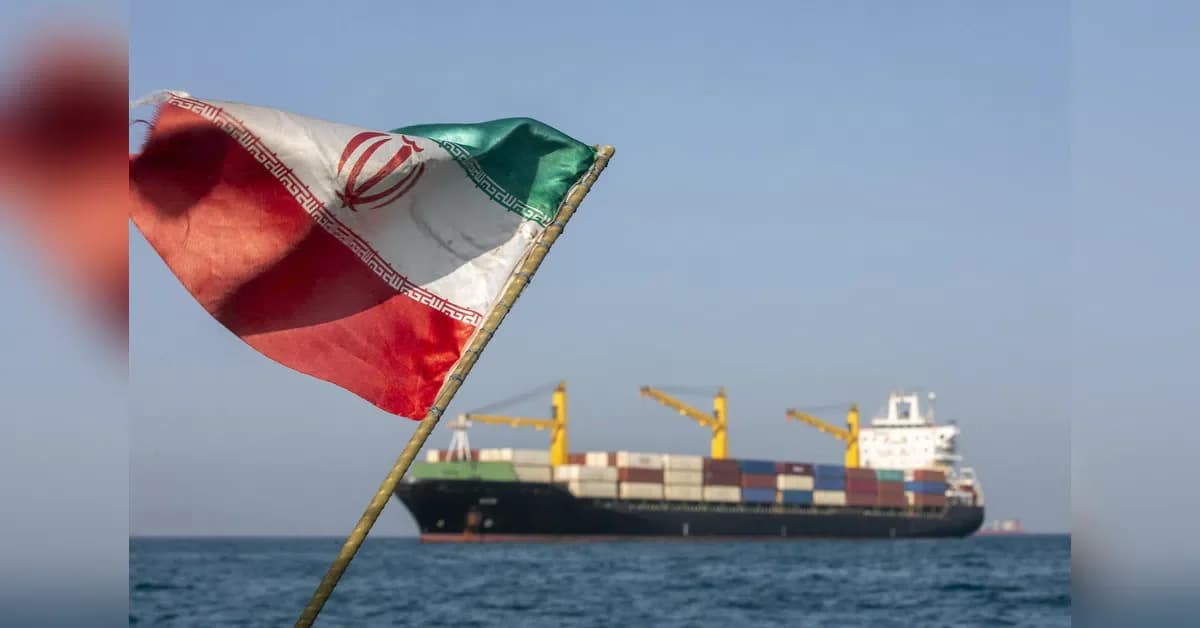
Signs of diplomatic progress emerged this week as two giant Chinese tankers laden with around 4 million barrels of oil exited the Strait of Hormuz on Wednesday, marking the latest signal that Iran is willing to ease its blockade for countries it considers friendly. As reported by Business Standard, Iran had announced last week that it had reached an agreement to ease rules for Chinese ships, with the latest developments showing practical implementation of these diplomatic efforts. South Korea's foreign minister said on Wednesday a Korean tanker was crossing the strait in cooperation with Iran. Shipping monitor Lloyd's List said at least 54 ships had transited the strait last week, around double the number from the week before, though this remains only a tiny fraction of the 140 or so each day that typically crossed before the war. The Strait of Hormuz has been largely shut to all ships apart from Iran's own since the US-Israeli campaign began in February, causing the biggest disruption to global energy supplies in history.
Trump faces mounting pressure to end the war as soaring energy prices hurt his Republican Party ahead of congressional elections in November, according to Business Standard. The president is under scrutiny for his fluctuating stance, with comments veering from threats to restart bombing to declarations that a peace deal was at hand, often in the same breath. Vice President JD Vance, who led the US delegation last month at the only round of peace talks so far, also talked up progress: 'We're in a pretty good spot here,' Vance told a White House press briefing. The Senate advanced a war powers resolution 50-47 on Tuesday evening that would end the Iran war unless President Donald Trump obtains Congressional authorization, representing a bad omen for the White House about potentially waning support in Congress for the ongoing military campaign.