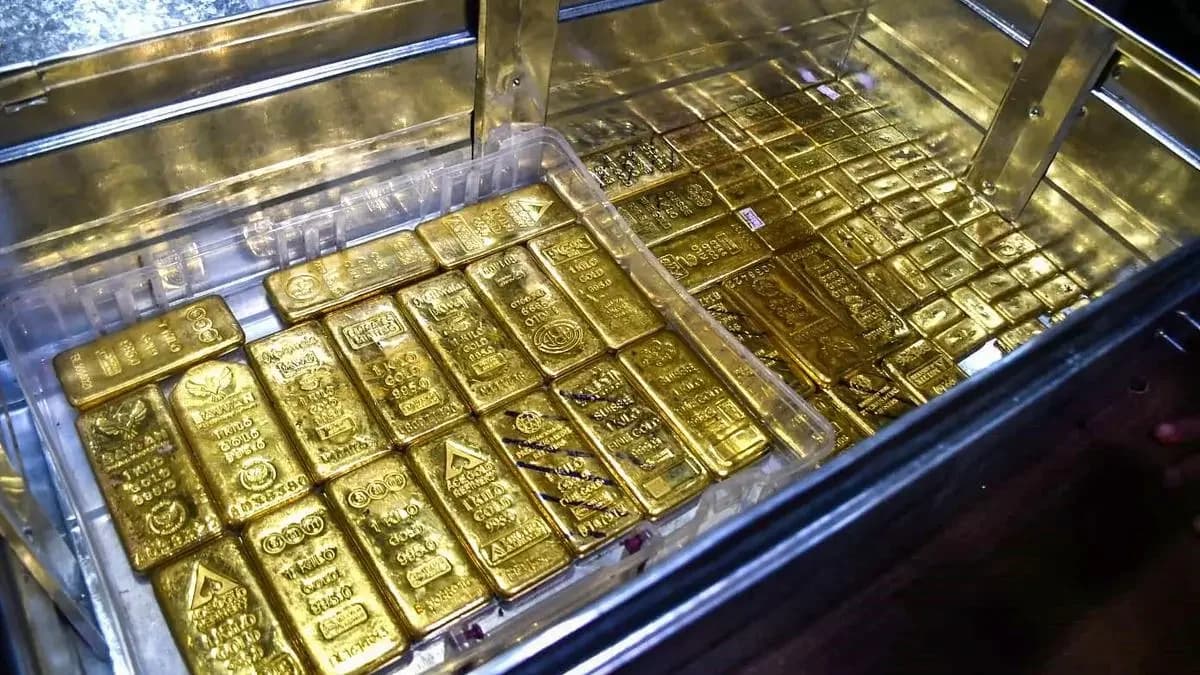
The Kerala Gold and Silver Merchants Association has called on the government to adopt a policy framework focused on recycling domestically held gold instead of discouraging gold purchases through higher import duties. According to reports from The Hindu BusinessLine, State General Secretary S. Abdul Nazar emphasized that effective gold recycling measures and a transparent bullion banking system could significantly reduce India's dependence on gold imports, thereby saving substantial foreign exchange reserves while protecting employment in the jewellery sector.
India currently imports approximately 800 tonnes of gold annually at an estimated cost of ₹12 lakh crore, as reported by The Hindu BusinessLine. Nazar highlighted that with gold increasingly functioning as a global financial asset, the government should frame policies that integrate the vast quantity of gold held within the country into the formal financial system rather than restricting consumer purchases. The association argues that proper utilization of domestic gold reserves could substantially curb imports. In 2025-26, gold imports made up 9-10 per cent of India's total import bill, with India paying a record $71.98 billion to import gold and meet domestic demand. According to latest data, gold imports rose to a record $71.98 billion in 2025-26, up more than 24% from the previous year, making it a meaningful drain on foreign exchange reserves.
The government has sharply raised import duties on gold and silver from 6% to 10% to curb demand and protect the rupee amid rising Middle East conflict risks. As per The Economic Times, the new import duty structure includes 10% Basic Customs Duty (BCD) coupled with 5% Agriculture Infrastructure and Development Cess (AIDC). This represents a significant increase from the previous duty structure, making gold costlier by around ₹27,000 per 10 grams from the earlier ₹13,500 per 10 grams. The changes were notified by India's Ministry of Finance under Customs Notification No. 16/2026, with the notification also revising duties on jewellery findings and offering concessional rates of 4.35-5% for recycling/recovery categories. The notification also provides concessional rates for recycling and recovery categories such as spent catalysts and ash containing precious metals, indicating the government's clear policy push toward recovering precious metals from existing sources.
Markets responded immediately with domestic bullion prices surging on the MCX, with gold futures rising 7.2% to ₹1,64,497 per 10 grams and silver futures climbing 8% to ₹3,01,429 per kg on May 13. According to Choice Broking's Kaveri More, the higher duty has widened the premium between global and Indian prices, pushing local rates higher. The immediate impact for domestic gold prices is visible, with imported gold becoming costlier at the landed cost level itself. Retail jewellery prices are likely to absorb this increase quickly, especially because GST, jeweller margins and making charges are added over and above the import cost. For buyers, the final price at the store level could therefore rise even further. Major gold stocks including Titan Company, Kalyan Jewellers, Senco Gold, Thangamayil Jewellery, and PC Jeweller came under pressure, with shares of Kalyan Jewellers and Senco Gold falling up to 6%. The Gem & Jewellery Export Promotion Council (GJEPC) has acknowledged the government's decision while raising concerns about the effectiveness of duty hikes in the long run, noting that such measures often fuel smuggling and escalate export costs.
According to estimates by the World Gold Council cited by Nazar, approximately 2,19,890 tonnes of gold have been mined globally so far, of which an estimated 25,000–30,000 tonnes are held by Indian households, trusts and institutions — nearly 12 to 15 per cent of the world's total gold reserves, as reported by The Hindu BusinessLine. The GJEPC has proposed several measures to reduce import dependence, including promoting lower caratage jewellery, encouraging gold recycling, and revamping the Gold Monetisation Scheme. The move may help the economy by serving four purposes: conserving foreign exchange, reducing the current account deficit, supporting the rupee by reducing dollar demand from bullion importers, and supporting domestic value chains through concessional rates for recycling. However, the government's calculation is straightforward - if gold imports fall, fewer dollars move out of the country, preserving foreign exchange for essential imports such as crude oil, machinery and key industrial inputs. The current account deficit could reach around 2% of GDP by March 2027 if the stress continues, making the timing of this policy move particularly strategic.