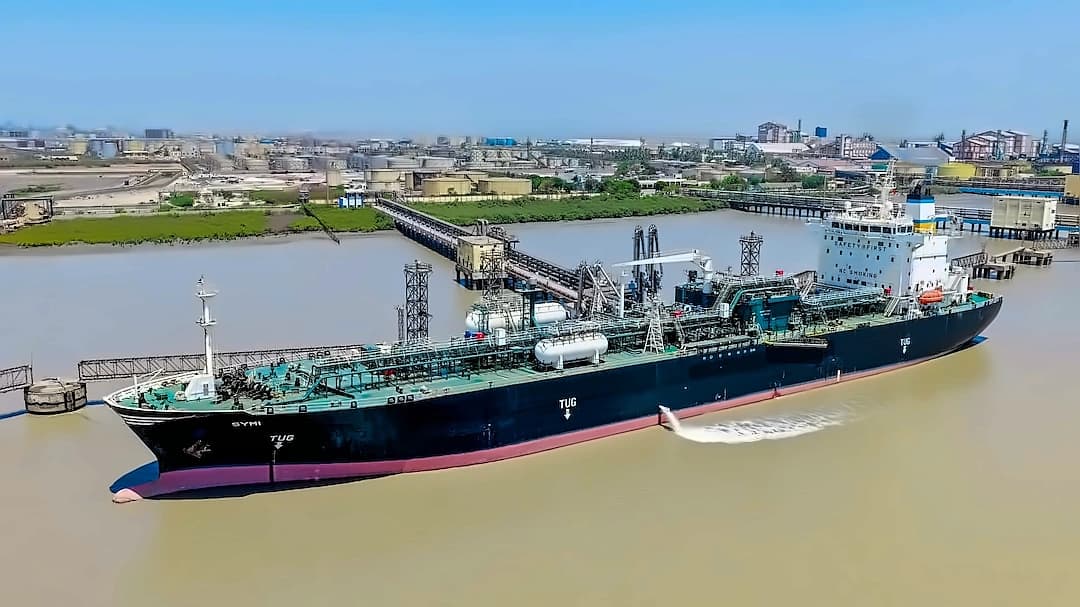
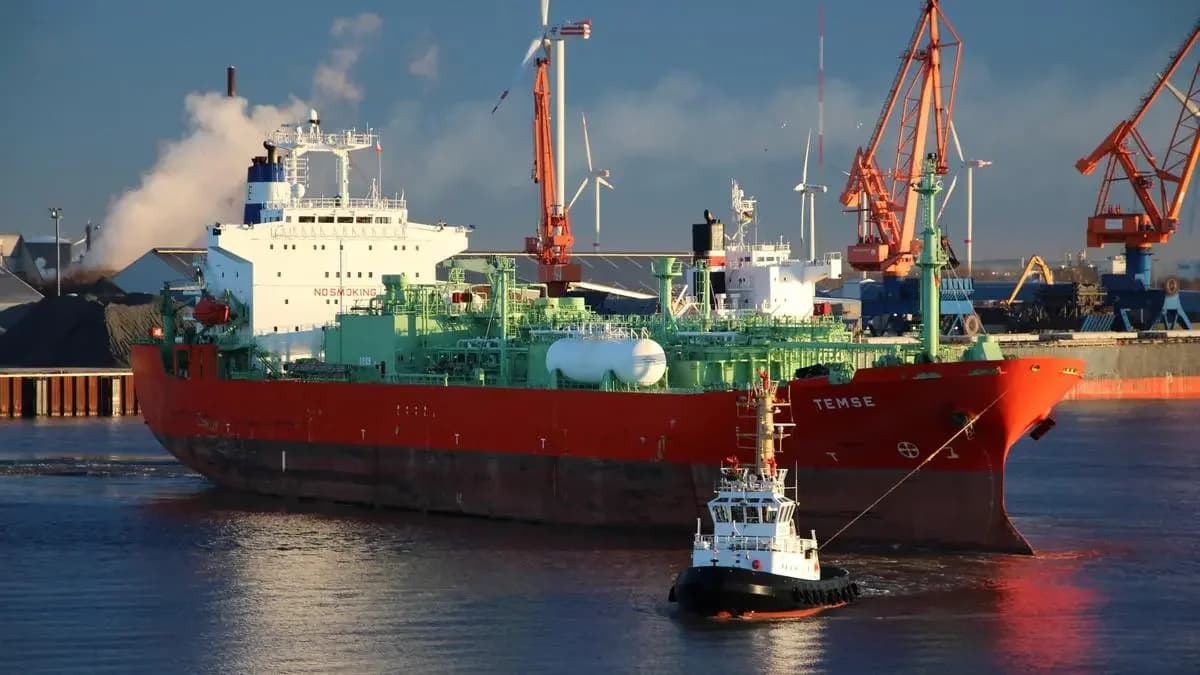
According to The Times of India, the India-flagged LPG carrier Green Asha reached Indian shores on Thursday after crossing the Strait of Hormuz earlier this week. The vessel, carrying 15,400 tonnes of LPG, docked at the BPCL-IOCL liquid berth at Jawaharlal Nehru Port Authority (JNPA). As reported by The Hindu BusinessLine, JNPA proudly welcomed Green Asha—an India-flagged LPG vessel that has successfully crossed the Strait of Hormuz, and has moored at JNPA's liquid berth operated by BPCL-IOCL. This marks the first such tanker to dock at JNPA since the onset of the war involving Iran, the United States and Israel. The vessel, its cargo and all crew members are reported to be safe and secure, with officials confirming the successful completion of the journey. JNPA described the development as notable in the backdrop of the war involving Iran, the United States and Israel, highlighting the significance of this achievement.
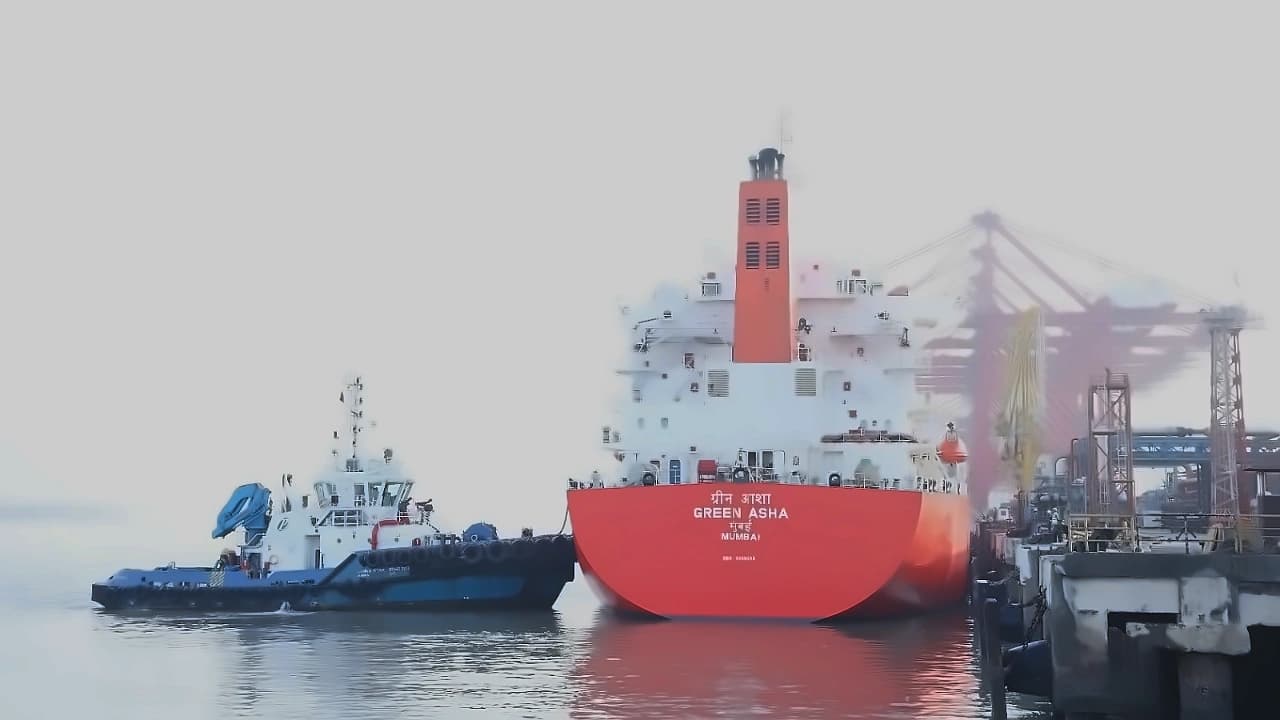
As reported by The Times of India, the arrival comes at a time when shipping operations in the Middle Eastern region are under strain amid the Iran-US war. The development comes against the backdrop of a fragile 14-day ceasefire in West Asia, facilitated through diplomatic engagement involving Pakistan's leadership. Iran indicated its willingness to halt military responses provided attacks against it ceased, with ongoing discussions supported by both the United States and Pakistan. However, reports from Iran's state media, Islamic Republic News Agency (IRNA), suggest that Tehran has once again moved to block the Strait of Hormuz following intensified Israeli strikes against Hezbollah targets in Lebanon. This has raised fresh concerns over the stability of one of the world's most critical maritime chokepoints. The West Asia conflict has affected energy supplies through the Strait of Hormuz, highlighting the strategic importance of this vessel's successful transit. Iran moved to close the Strait of Hormuz on Wednesday, less than 24 hours after Donald Trump announced a two-week ceasefire with Tehran, demonstrating the volatile nature of the current geopolitical situation.
According to The Times of India, at the onset of the conflict, 28 India-flagged vessels were present in the Strait of Hormuz region. So far, 10 of them, eight from the western side and two from the eastern side, have completed their transit safely. The seventh India-flagged LPG tanker, Green Sanvi, also crossed the Strait of Hormuz earlier, demonstrating continued operational resilience despite the challenging geopolitical environment. The arrival of Green Asha is being viewed as a key milestone, demonstrating that critical shipping routes can continue to function even amid uncertainty. This arrival highlights the ability of maritime operations to function amid complex geopolitical conditions while ensuring the steady supply of essential LPG to the nation.
As reported by The Times of India, the Centre has maintained that the domestic LPG supply situation remains stable and under control. At an inter-ministerial briefing, petroleum secretary Neeraj Mittal directed states and Union territories to double the daily supply of 5-kg Free Trade LPG (FTL) cylinders for migrant labourers. 6,500 tonnes of commercial LPG were sold on Monday to meet demand, while petrol pumps across the country continue to function normally. The vessel carried approximately 15,400 tonnes of liquefied petroleum gas (LPG), a crucial fuel widely used for domestic and commercial purposes across India. The facility, also known as JNPT and Nhava Sheva port, in Navi Mumbai is one of India's key ports handling container and liquid cargo and plays a crucial role in the country's energy supply chain.
According to The Times of India, 1,300 awareness camps have been organised by the oil marketing companies for the past four days, with companies selling 10,005 cylinders. No dryout has been reported in LPG distributor ships, and all the petrol pumps are operating normally. The Ministry of Petroleum and Natural Gas has assured that no shortages have been reported and that the additional cylinders would be distributed exclusively to migrant workers with support from Oil Marketing Companies. Despite the ceasefire arrangement, uncertainty persists over whether safe passage for vessels can be sustained, with statements from US leadership indicating that certain developments were not part of the original agreement.