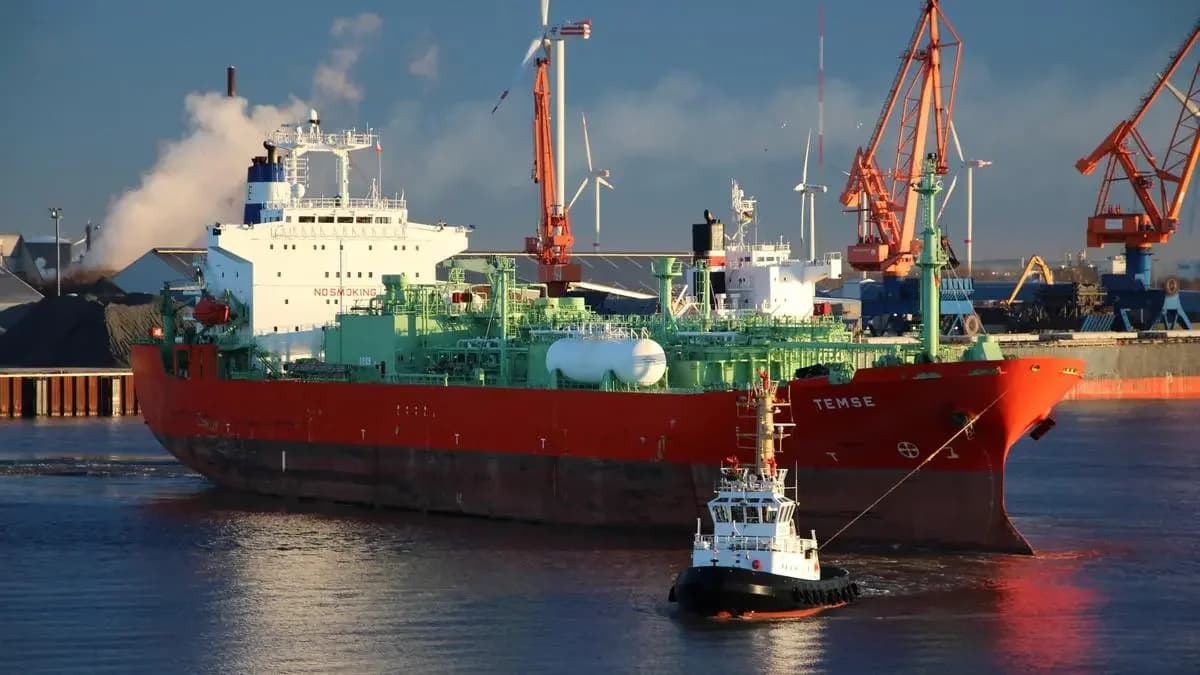
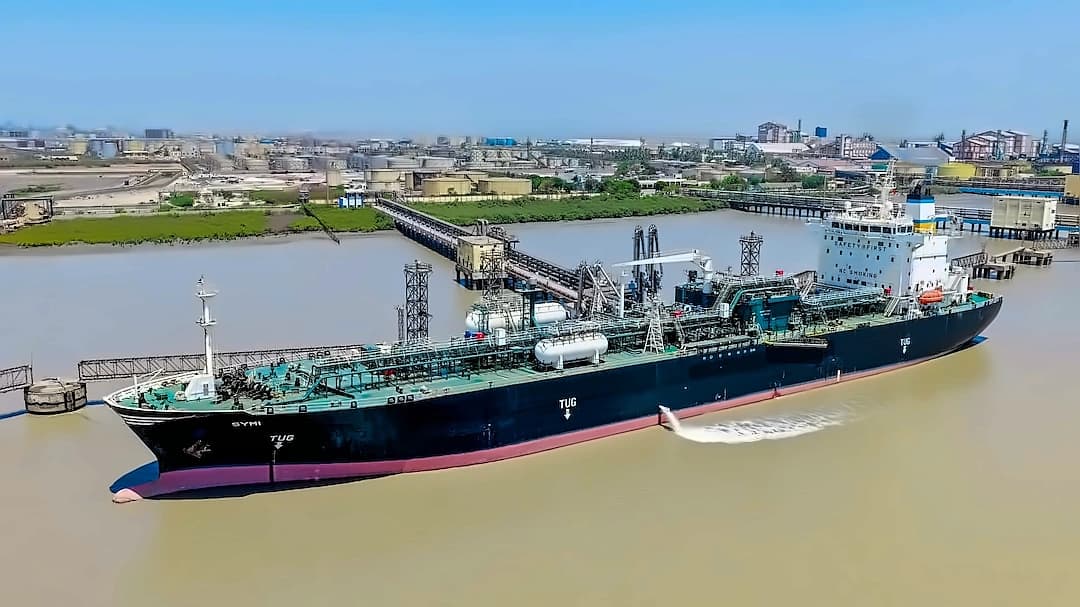
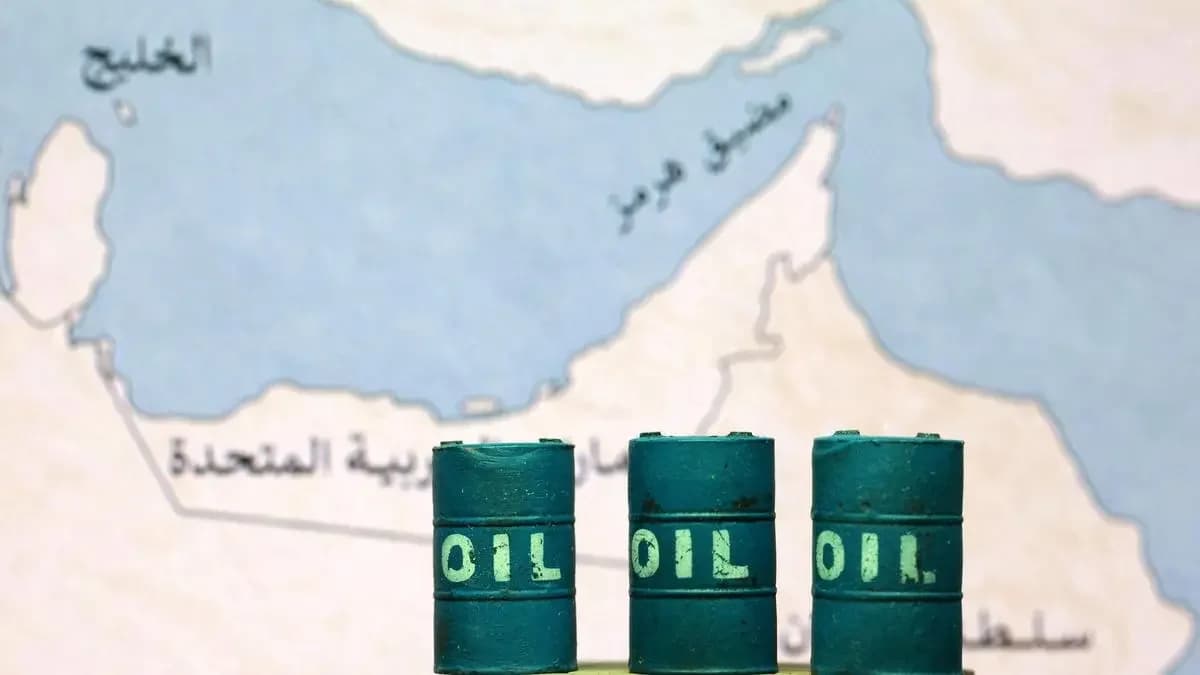
The India-bound LPG tanker MV Sunshine is currently crossing the Strait of Hormuz with complete support from the Indian Navy and other agencies, marking the fifteenth LPG ship successfully evacuated from the Persian Gulf region amid ongoing US-Iran tensions. According to ANI citing sources, the tanker remains on course and continues to receive comprehensive backing to progress safely. In the past 24 hours alone, two additional India-bound ships carrying LPG have crossed the Strait of Hormuz, bringing the total to 13 LPG ships bound for India that have been safely evacuated from the Persian Gulf region. The latest vessels include the Marshall Islands-flagged LPG carrier Symi and the Vietnam-flagged NV Sunshine carrying cooking gas, demonstrating the effectiveness of India's comprehensive support measures. Each evacuation involves close coordination among security agencies responsible for monitoring ship movements and guiding India-bound energy shipments through potentially vulnerable maritime corridors.
Iran's Deputy Foreign Minister for Legal and International Affairs Kazem Gharibabadi provided insights into the country's approach to regional tensions during a conversation with ANI. As reported by The Hindu BusinessLine, Gharibabadi stated that the Strait of Hormuz situation will improve once peace is established, emphasizing transparency and adherence to international law. He criticized the US for not engaging in serious diplomacy, stating that peace would bring more safety and security than before. "Strait of Hormuz situation will be better than before once peace is established. There will be transparency. There will be no discrepancy. We will not go beyond international law. If peace is established, it will have more safety and security than before," Gharibabadi added.
Iran has welcomed India's diplomatic role in regional tensions, with Gharibabadi praising New Delhi's 'impartial' approach ahead of the BRICS Foreign Ministers' meeting in New Delhi. According to The Hindu BusinessLine, the Iranian Deputy Foreign Minister highlighted India's consistent support for peace and noted that both countries share 'two nations with one culture.' Gharibabadi emphasized that Tehran would welcome any diplomatic initiative from India aimed at reducing tensions in the region. During interactions held ahead of the BRICS meeting, he affirmed that "Any initiative coming from India will be welcomed." This comment aligns with Iran's repeated messaging that it views India as a stabilising partner in West Asia, especially at a moment when maritime security in the Strait of Hormuz remains a focal global concern.
With the latest crossings, 12 LPG tankers have successfully reached India and one crude oil tanker has also completed its transit. At present, 13 India-flagged ships are waiting in the Persian Gulf to cross the conflict-hit strait, indicating the ongoing nature of these evacuation operations. The safe passage of ships is happening with close coordination among DG Shipping (the country's maritime regulator), ministries of external affairs, defence, and petroleum and natural gas. The Marshall Islands-flagged Symi is carrying approximately 20,000 tonnes of liquid propane and butane and is estimated to reach Deen Dayal port, Kandla on Saturday, while the Vietnam-flagged NV Sunshine is carrying around 46,000 tonnes of cooking gas and is expected to reach New Mangalore on May 18.
Union Petroleum and Natural Gas Minister Hardeep Singh Puri addressed the West Asia crisis at the CII Annual Summit, highlighting India's successful management of energy supply disruptions. Puri revealed that India's oil companies are currently facing heavy losses with under-recoveries projected at ₹1,98,000 crore, with daily losses of ₹1,000 crore during the crisis period. He noted that global crude prices have increased from $64-$65 to $115 per barrel, significantly impacting the fiscal situation. Despite these challenges, Puri emphasized that India has not witnessed shortages despite the crisis and has maintained fuel prices unchanged for the past four years. The minister highlighted India's remarkable domestic production increase, ramping up LPG production from 36,000 to 54,000 metric tons per day prior to the crisis, while maintaining adequate supply levels with 60 days of crude, 60 days of LNG, and 45 days of LPG in reserves.