Oil marketing companies have implemented a ₹9.50 increase in commercial LPG prices for September 2026, marking the first hike after two consecutive monthly cuts. According to reports from Goodreturns, the 19 kg LPG cylinder is now priced at ₹2,747.50 in Delhi, ₹2,701 in Mumbai, and ₹2,916.50 in Chennai. Kolkata recorded the sharpest increase of ₹11.50 to ₹2,884, while Patna remains the most expensive city with LPG above ₹3,000 mark. Domestic LPG cylinders remain unchanged at ₹942 in Delhi and other major cities, continuing the third consecutive month of price stability. The latest price data shows commercial LPG rates have declined significantly across major cities, with Delhi seeing a ₹192 reduction to ₹2,738, Kolkata dropping ₹209 to ₹2,872.50, Mumbai falling ₹194 to ₹2,691.50, and Chennai decreasing ₹200 to ₹2,906 per cylinder. As per the latest available update, official LPG prices for September have not been shared yet, with consumers expecting potential revisions.
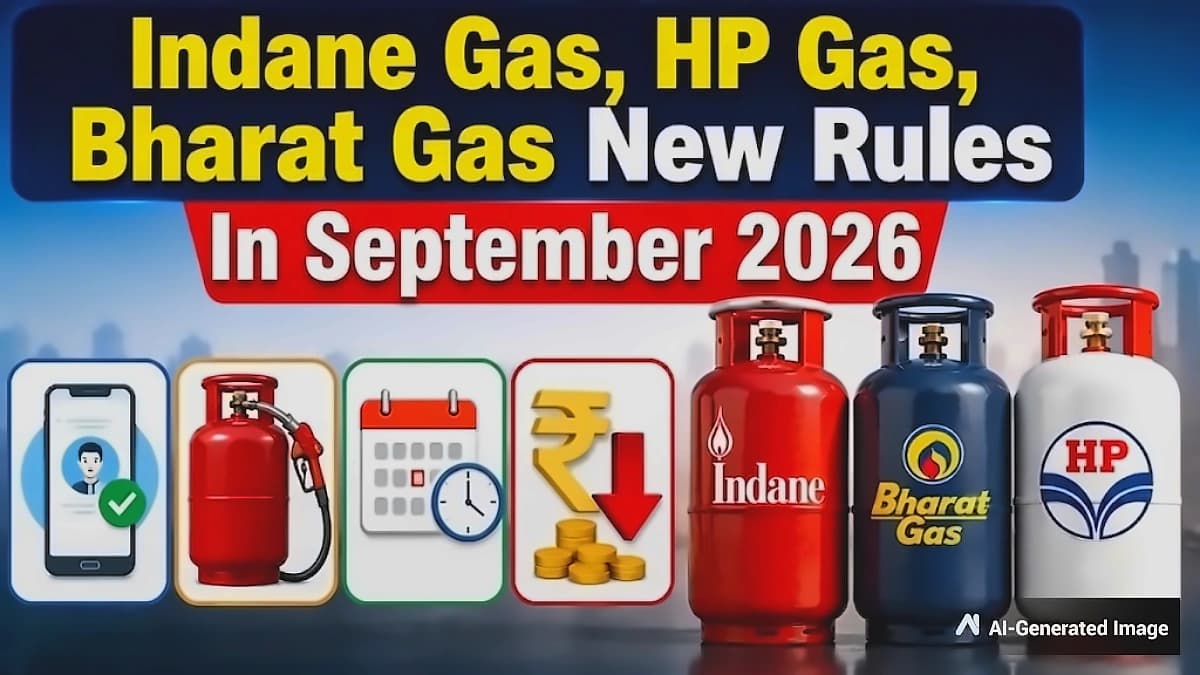
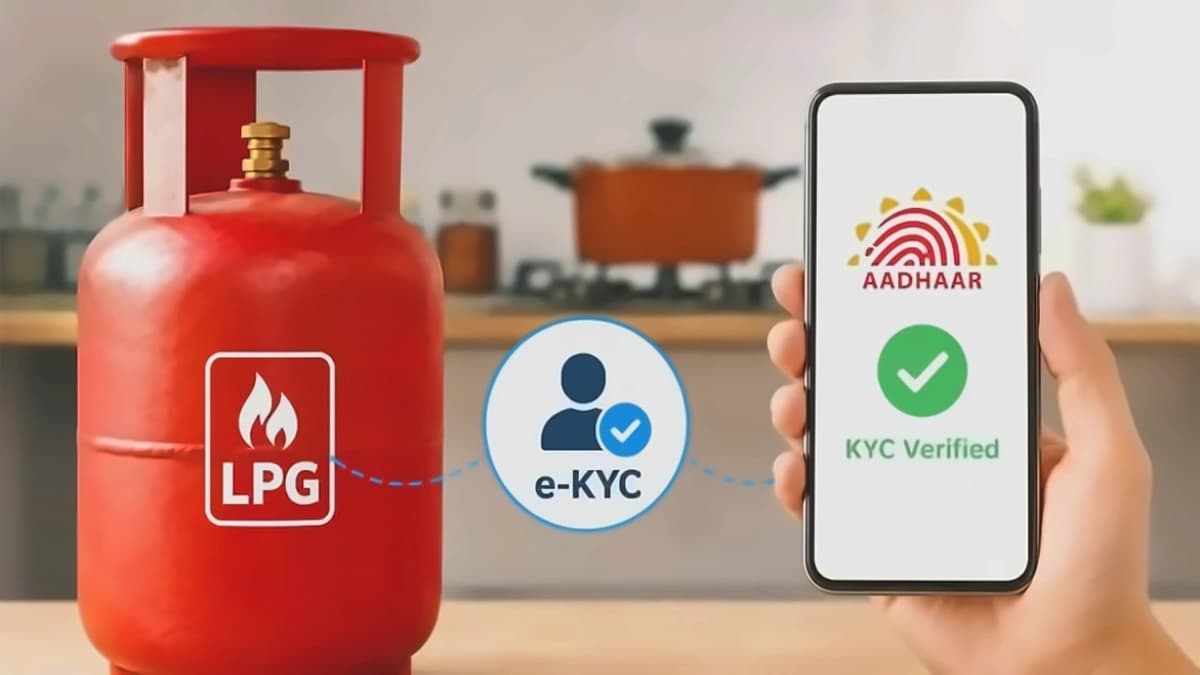
The LPG biometric Aadhaar authentication deadline has been extended to September 7, 2026, from the previous August 31, 2026, marking the fourth extension in less than two months. According to The Hindu reports citing a Telangana LPG Distributors Association president, Jagan Mohan Reddy, oil marketing companies are gearing up with updated software to handle non-eKYC stocks. The earlier deadline was first extended from August 16 to August 23, then further to August 31 before the latest extension. LPG users who failed to complete e-KYC will lose access to subsidized rates and PMUY scheme benefits until the process is completed. Non-PMUY customers face the additional burden of purchasing domestic LPG cylinders at commercial rates, while Indane Gas, HP Gas, and Bharat Gas may face temporary suspension. The only resolution lies in completing the LPG Aadhaar biometrics to restore normal service.
The Oil Ministry has launched the 'Incentive Scheme for Promotion of Domestic PNG Connections' effective September 1, 2026, aimed at accelerating PNG expansion. According to reports from Goodreturns, the government has banned two new LPG connections since March 2026, forcing customers with both LPG and PNG infrastructure to choose PNG connections. The ministry has warned that LPG connections will be discontinued for users who ignore notices for switching to PNG, while a 30-day window is provided for customers to terminate LPG connections after obtaining PNG connections. Under the new scheme, eligible City Gas Distribution (CGD) entities will be allocated an additional 200 SCM of domestically-produced, lower-priced (APM) gas for every incremental billed Domestic PNG connection achieved during the performance period. The scheme will be implemented over two tranches spanning six months, with the additional gas allocation substituting costlier Liquefied Natural Gas (LNG) and expected to shorten the payback period for capital expenditure from around 10 years to approximately 3 years. Customers who switch to PNG can apply for a transfer voucher to obtain their LPG connection if they shift to a non-PNG area in the future.
Since the US-Iran conflict escalated in late February, the government has maintained 25-day and 45-day LPG refill intervals for urban and rural areas respectively, replacing the previous 21-day gap. As reported by Goodreturns, new LPG connections remain banned across Indian Oil, HPCL, and BPCL since March 2026. The booking system continues to require online methods with 99% industry adoption since the West Asian conflict, while delivery requires one-time password verification through registered mobile numbers. Customers must have an OTP sent to their registered mobile number for LPG delivery to be completed. The government has emphasized on booking LPG cylinders through online methods, with online bookings increasing to about 99% on an industry basis since the conflict began.