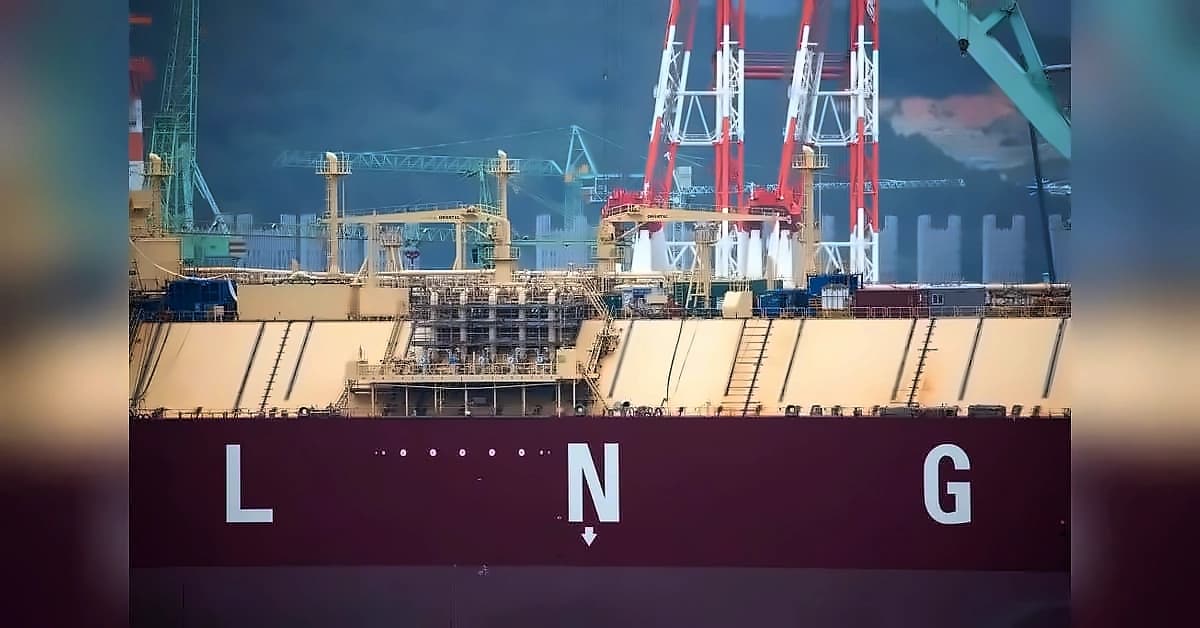
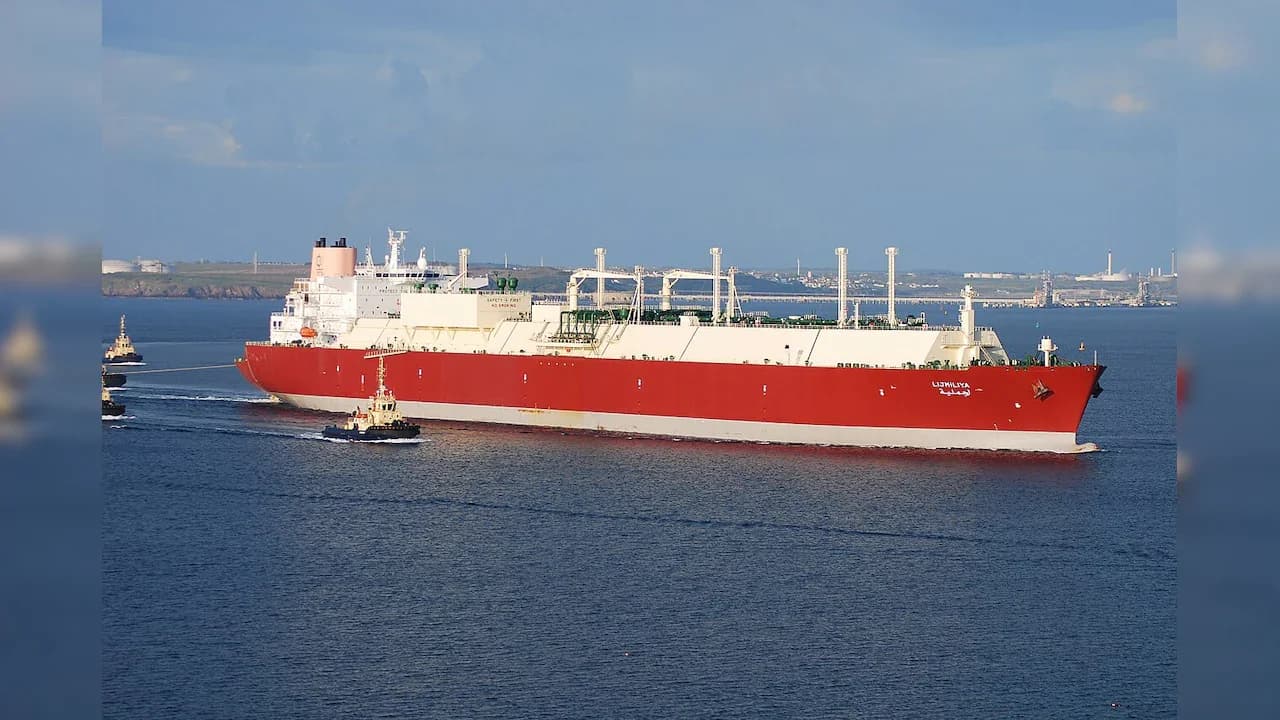
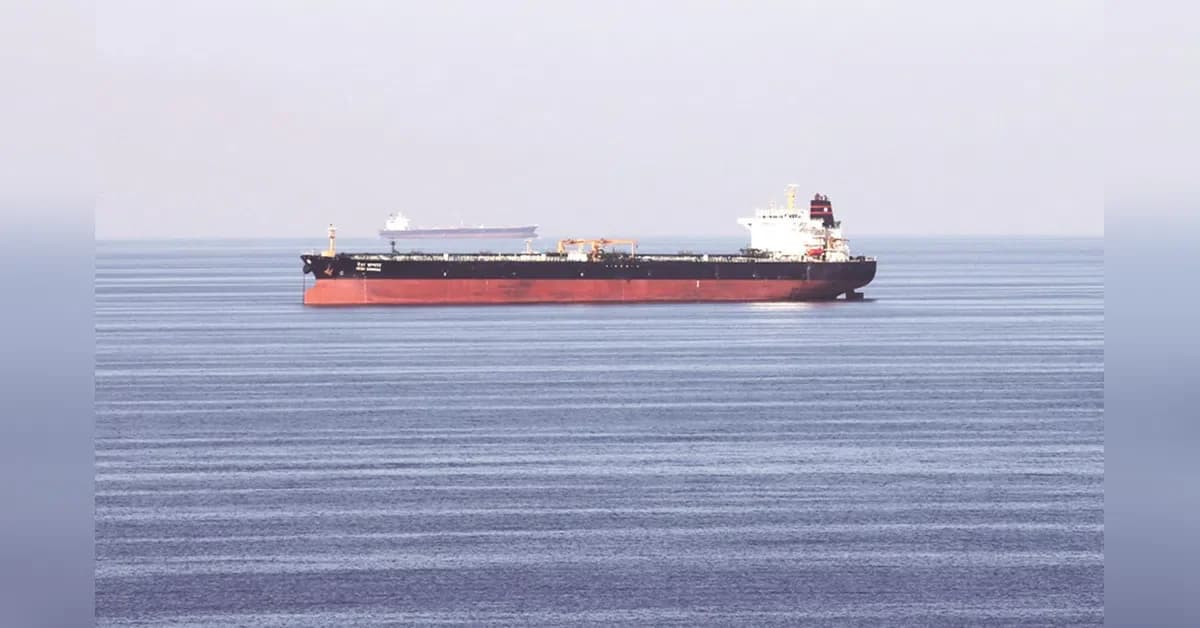
Liquefied natural gas exports through the Strait of Hormuz reached their highest level since the Iran war began, with 31 tankers passing through in October compared to 27 in September, according to data from Kpler and Reuters. This represents a significant recovery in regional LNG trade flows, with October exports marking the highest since February when the war started. As per S&P Global Energy senior principal analyst Eric Yep, the figures indicate a recovery with UAE back to pre-war transit levels and Qatar at over 30% of pre-war Hormuz transits. The monthly tally of laden liquefied natural gas tankers exiting the Strait of Hormuz reached its highest in October since the U.S.-Iran conflict disrupted shipping this year, vessel tracking data showed.
Despite the increased traffic, Qatar's LNG exports remain significantly impacted by the conflict, with October exports totaling 2.7 million tons compared to 6.2 million tons in February, as reported by Kpler. Most notably, most of these cargoes were loaded from Qatar's Ras Laffan hub, despite it still being under force majeure conditions. In two cases, LNG cargoes from Ras Laffan were transferred to other tankers once vessels cleared the Strait of Hormuz, with the SC Prestige transferring LNG to the BW ENN Crystal Sky for South Korea delivery and the Al Mafyar moving its LNG to Shandong Redwood and Ejnan for Pakistan delivery. Kpler's shiptracking data showed 42 LNG cargoes were loaded in October, up from 27 in September, with Ras Laffan's October loadings reaching 35 cargoes, surpassing 2.7 million tons, the highest since the war started. QatarEnergy revealed that Iranian attacks on U.S. allies in the Gulf took out 17% of Qatar's export capacity and caused an estimated loss of $20 billion in annual revenue in March.
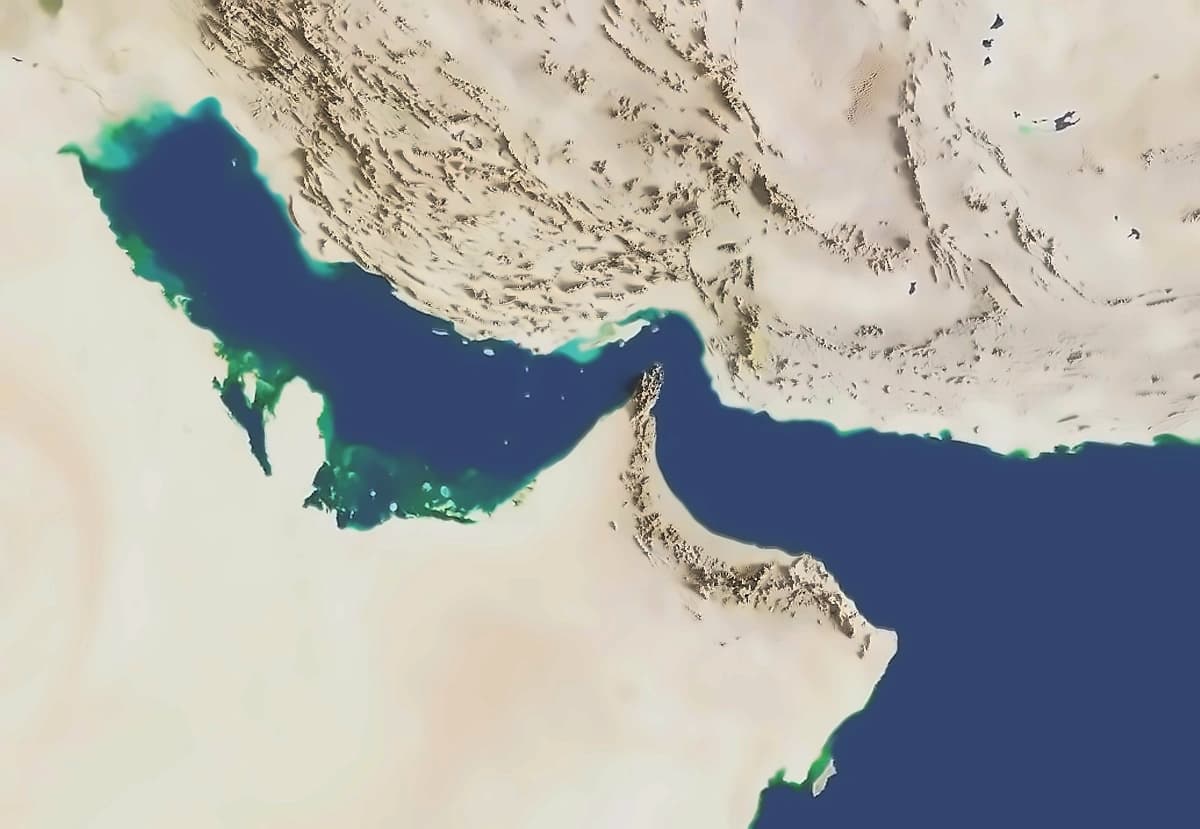
The United Arab Emirates has successfully restored its LNG exports to pre-war levels, with October loadings from Das Island reaching seven tankers, unchanged from September, according to Kpler data. This represents a complete recovery for the UAE's LNG operations compared to the significant disruptions experienced by neighboring Qatar. The UAE's steady performance contrasts sharply with Qatar's ongoing challenges, demonstrating the varied impact of the US-Iran conflict on different Gulf producers.
The recovery in LNG flows has led to innovative supply chain solutions, with two vessels carrying LNG from Ras Laffan that exited the strait subsequently conducting ship-to-ship (STS) transfers off the coast of Oman's Sohar anchorage, as reported by Kpler. This strategic adaptation allows Qatar to continue serving key markets despite force majeure conditions, with the SC Prestige transferring LNG to the BW ENN Crystal Sky for South Korea delivery. These ship-to-ship operations demonstrate the resilience of global LNG supply chains and Qatar's commitment to maintaining contractual obligations despite operational challenges.
Despite the recovery in LNG flows out of the Persian Gulf, Rystad Energy has warned that this winter in the Northern Hemisphere will be extremely uncertain in terms of energy security, with a high likelihood of much higher gas prices because of the tight supply conditions in the region. The current traffic patterns suggest that while regional LNG exports are recovering, the underlying supply security challenges remain significant for global energy markets. In an unusual development, Qatar has become the largest buyer of U.S. liquefied gas, after sealing two long-term deals with Cheniere Energy to buy up to 4 million tons per year of LNG from Cheniere's Sabine Pass and Corpus Christi export facilities, with deliveries expected to begin in 2031 and continue through 2054.