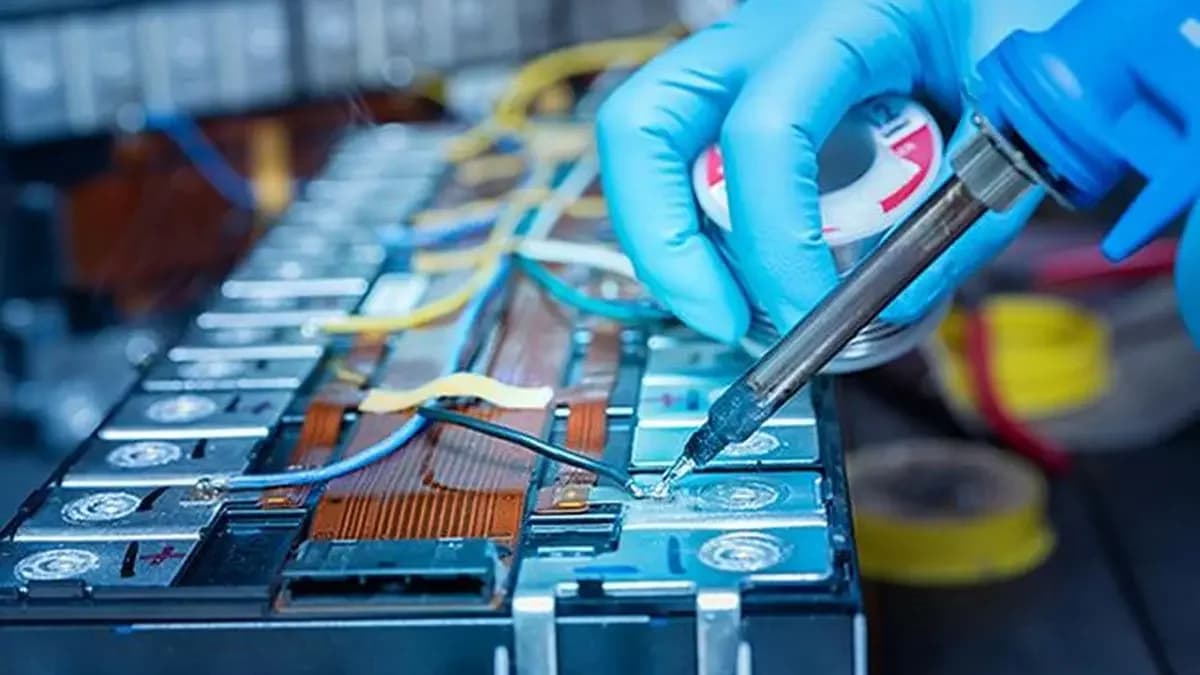
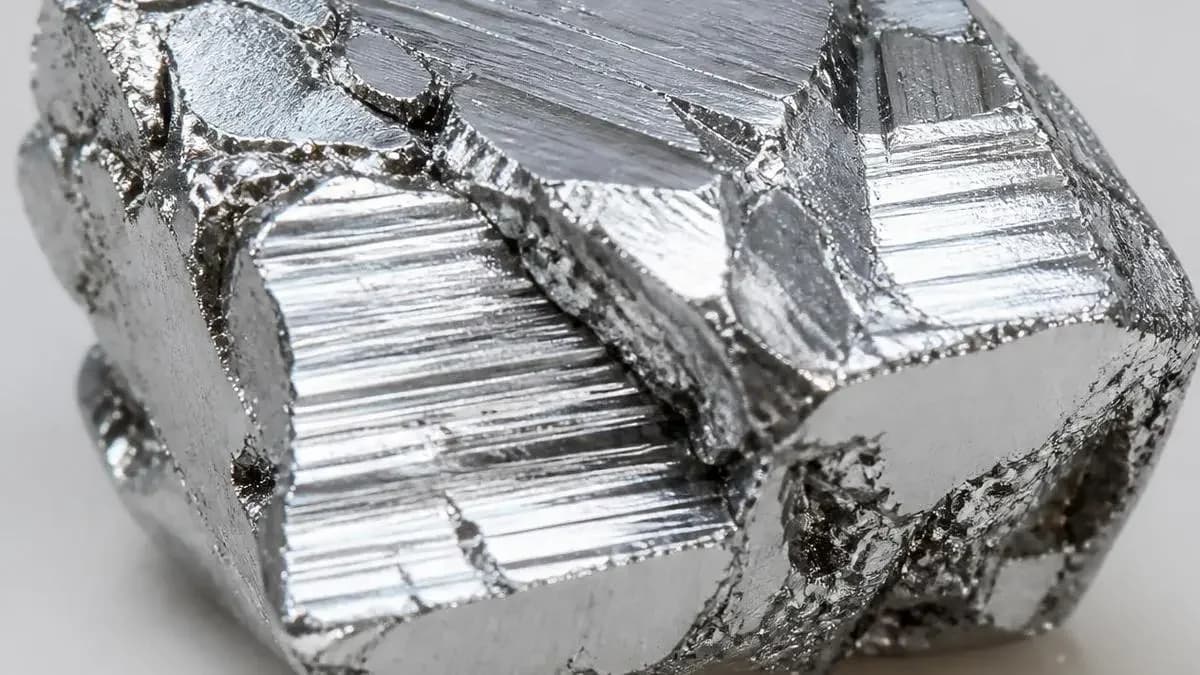

Lithium prices have already gained nearly 50% and reached a two-year high, according to reports from The Hindu BusinessLine. Currently, lithium carbonate is ruling at 177,000 Chinese yuan ($25,628) per tonne, while lithium hydroxide is quoted at $20,690 per tonne. Research agency BMI has raised its 2026 average annual lithium price forecasts to $17,000 per tonne for Chinese lithium carbonate and $16,700 per tonne for Chinese lithium hydroxide monohydrate.
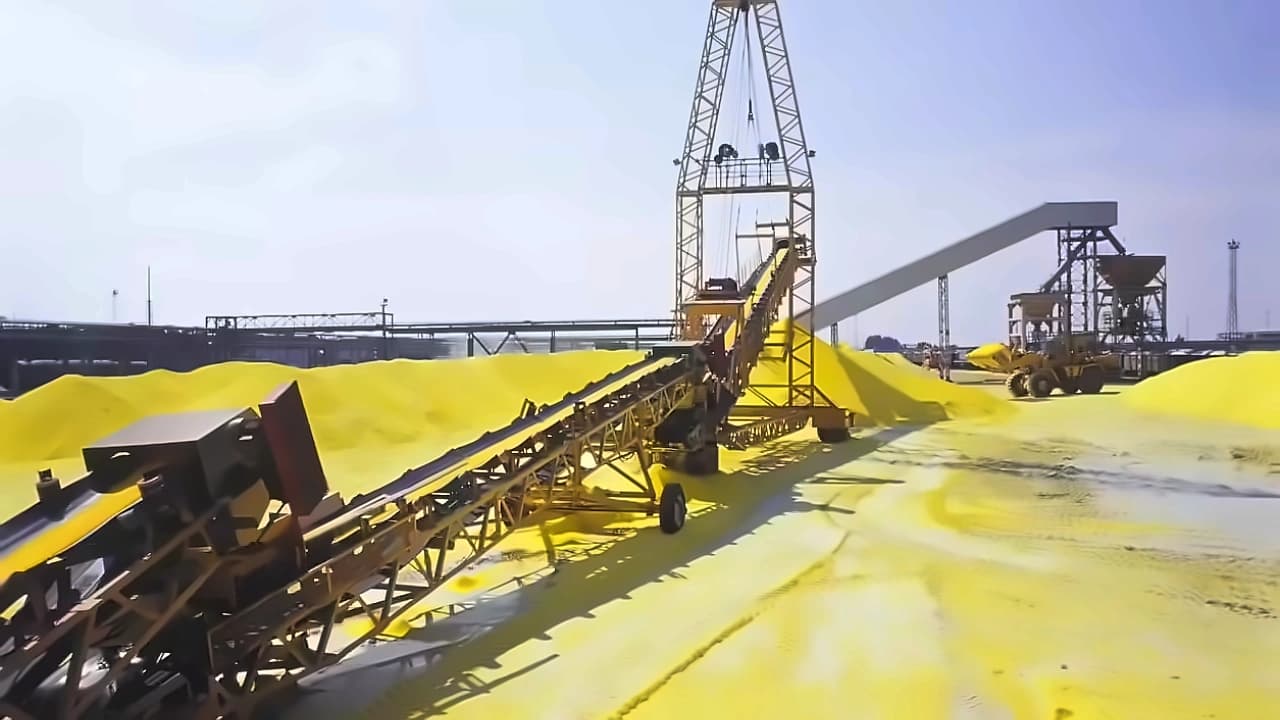
The US-Iran conflict that erupted in late February has bolstered broader demand expectations for low-carbon industries, particularly by potentially providing a stronger EV demand impulse given elevated energy prices. BMI noted that the conflict is raising concerns over squeezed margins for lithium producers amid higher energy costs and possible sulphur shortages caused by a tightening chokehold on shipments flowing through the Strait of Hormuz. The research agency said prices are likely to stay range-bound in the near term and highly sensitive to geopolitical developments in West Asia. Recent developments show that Iran's Islamic Revolutionary Guards Corps (IRGC) warned it would target US forces if they attempt to approach or enter the strait, stating that "any foreign armed force, especially the invading American army, will be attacked if they attempt to approach and enter the Strait of Hormuz."
According to The Hindu BusinessLine, rapidly rising global investment in clean energy technologies, digital infrastructure, and defence-related technologies is set to sustain strong demand growth. The World Bank's biannual Commodity Markets Outlook highlighted that lithium battery shipments for data centre energy storage might rise over 80% in the next five years. This surge in demand from new markets adds to the traditional battery needs of electric vehicles, with rapid growth in stationary energy storage systems and ramping of production by China to meet increasing demand supporting lithium prices.
As reported by The Hindu BusinessLine, mining and processing remain concentrated in a few countries, leaving global supplies vulnerable to idiosyncratic disruptions and geopolitical stress. BMI noted that swift restarts of previously idled higher-cost capacity during a price recovery could prompt production to ramp up quickly, although a protracted bout of disruptions may still be sufficient to sustain an upward price trajectory. The World Bank emphasized that prices of critical minerals such as lithium are likely to remain highly sensitive to actual and expected trade restrictions.
According to BMI research cited by The Hindu BusinessLine, while lithium prices are expected to remain range-bound in the near term, they do not rule out the possibility of prices breaking higher on the back of a stronger-than-expected EV demand impulse. The restart of Chinese supply amid robust demand expectations remains the pivotal catalyst for a price retreat. However, analysts emphasize that the bridging supply gap would limit the scope for sustained gains in 2026, contingent on the demand-supply situation playing out favorably. The ongoing Strait of Hormuz disruptions, which have pushed Brent crude above $100 and created supply chain vulnerabilities across multiple commodities, further support the case for continued lithium price strength.