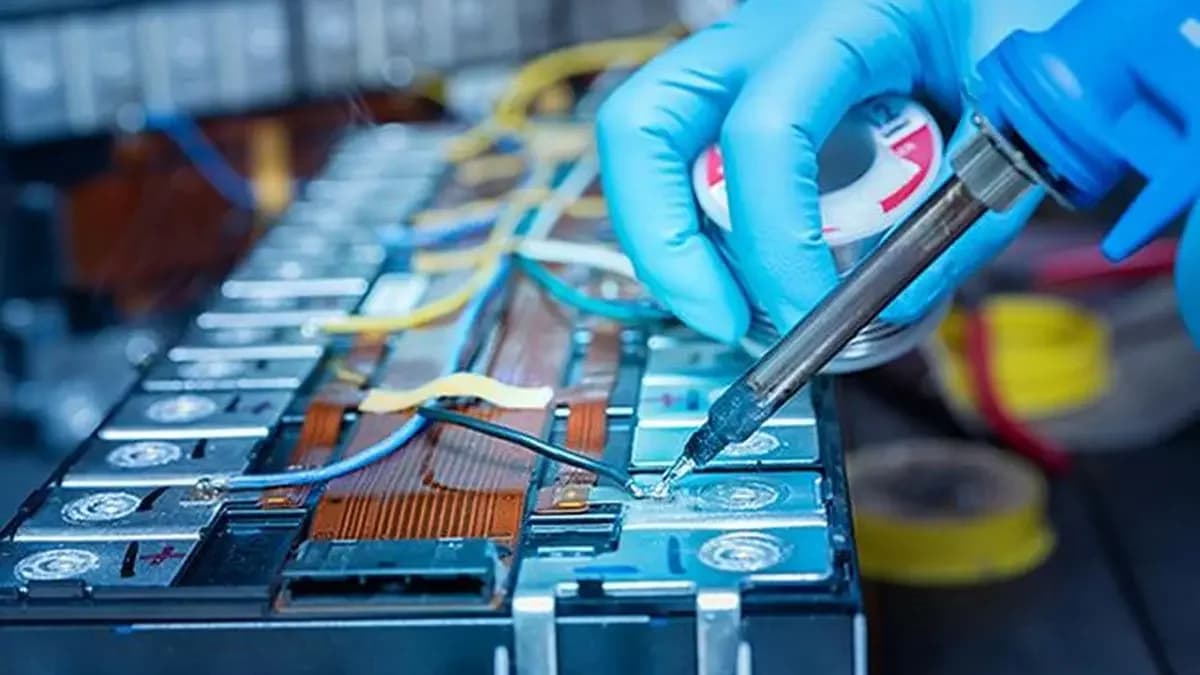
Lithium prices have demonstrated remarkable resilience, reaching RMB 153,000 per metric ton on August 28, 2026, according to Trading Economics data. This represents a 0.33% increase from the previous day and aligns with MetalCharts reporting prices at $153,053.32 on August 30, 2026. The upward momentum comes despite significant volatility over recent weeks, with Benchmark Minerals Intelligence reporting battery-grade lithium carbonate at $18,310 per metric ton as of August 12, 2026, reflecting a nearly 5% week-on-week decline. The Shanghai Metals Market's LC2701 contract settled at RMB 152,200 per metric ton on August 26, 2026, after experiencing a 1.17% daily drop.
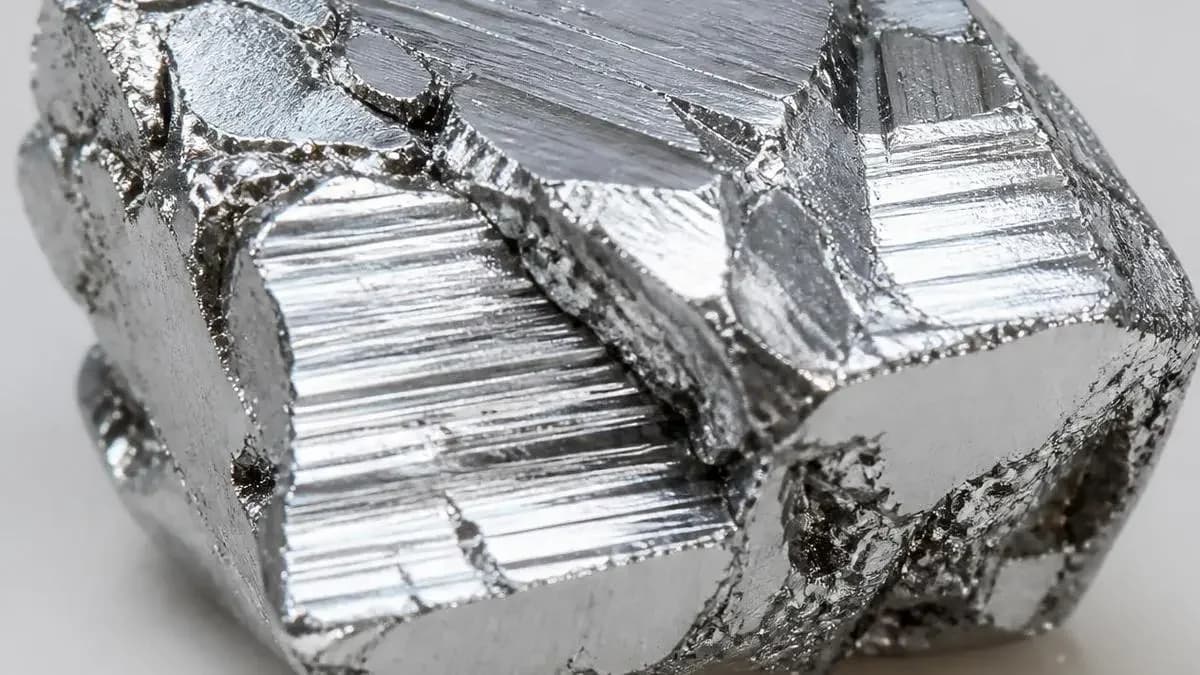
China's globally-watched spot price for lithium surged 22% over the first half as energy storage emerged as a meaningful demand source. As reported by The Hindu BusinessLine, this growth was driven by the expansion of data centers and renewable power infrastructure. The price appreciation comes after the lithium market had been volatile for several years due to rapid supply build-out, marking a significant shift in market dynamics. Recent data shows the LC2701 futures contract witnessed significant intraday volatility, with prices ranging from RMB 148,300 to RMB 154,900 per metric ton on August 26, 2026, as reported by Shanghai Metals Market. The lithium market has recovered sharply from the weakness seen in 2025, with Liontown Resources reporting that spodumene prices rose from US$630 a ton on June 30, 2025, to US$2,210 a ton on June 30, 2026, representing a 251% increase.
US-headquartered Albemarle Corp. reported that global lithium demand grew 45% through May from a year earlier, outstripping supply growth according to The Hindu BusinessLine. Australia's PLS Group swung to a A$526 million ($377 million) profit in the 12 months to June 30 from a loss the previous year. The strong demand fundamentals are supported by robust electric vehicle sales, with global EV sales reaching 1.85 million units in July 2026, an increase of 9% year-over-year, according to Reuters. This consistent demand from the EV sector has provided a stabilizing effect on lithium prices, even as supply chain disruptions and geopolitical tensions exert downward pressure.
Major supply chain disruptions are contributing to the current price surge and market volatility. According to Benchmark Mineral Intelligence, there was a notable decline in Chilean chemical shipments to China in July 2026, which has exacerbated supply tightness in the region. This reduction in supply has coincided with maintenance activities in Sichuan, further tightening the availability of lithium. China's strategic hold on its lithium resources has led to periodic fluctuations in export volumes, impacting global supply chains. The country's domestic policies affecting lithium exports continue to influence global market dynamics, with supply-side constraints being compounded by robust demand from the EV sector.
Despite current strong performance, analysts express caution about the sustainability of current price levels. According to The Hindu BusinessLine, UBS Group AG downgraded its forecast for lithium prices by 5-35%, believing the market will flip to surplus next year. However, the current market conditions have significant implications for the broader mining sector, as companies face increasing pressure to scale up production and explore new resource deposits. The emphasis on sustainable mining practices is becoming increasingly important as environmental concerns gain prominence. Looking ahead, the lithium market is poised for continued growth, driven by the global push towards decarbonization and the adoption of electric vehicles, with the IEA's Global EV Outlook 2026 indicating battery production is set to increase significantly, further driving demand for critical minerals like lithium.