State Street's latest research reinforces gold's position as a must-hold asset, with the precious metal reaching record highs amid strong institutional demand. According to State Street's analysis, gold has increased by an average annual rate of 10.6% when price inflation exceeded 5% per year, measured from August 1971 through March 2025. The firm's modeling shows that portfolios with 10% gold allocation returned 6.18% annually with reduced drawdowns compared to zero gold portfolios, which delivered 5.66% returns with higher volatility. Central banks purchased roughly 863 tonnes of gold in 2025, with China's central bank extending its buying streak to 15 consecutive months through January 2026. Major Wall Street institutions have set ambitious targets, with Goldman Sachs targeting $5,400, J.P. Morgan projecting $6,300, and Wells Fargo setting $6,100 to $6,300 price levels for year-end 2026.
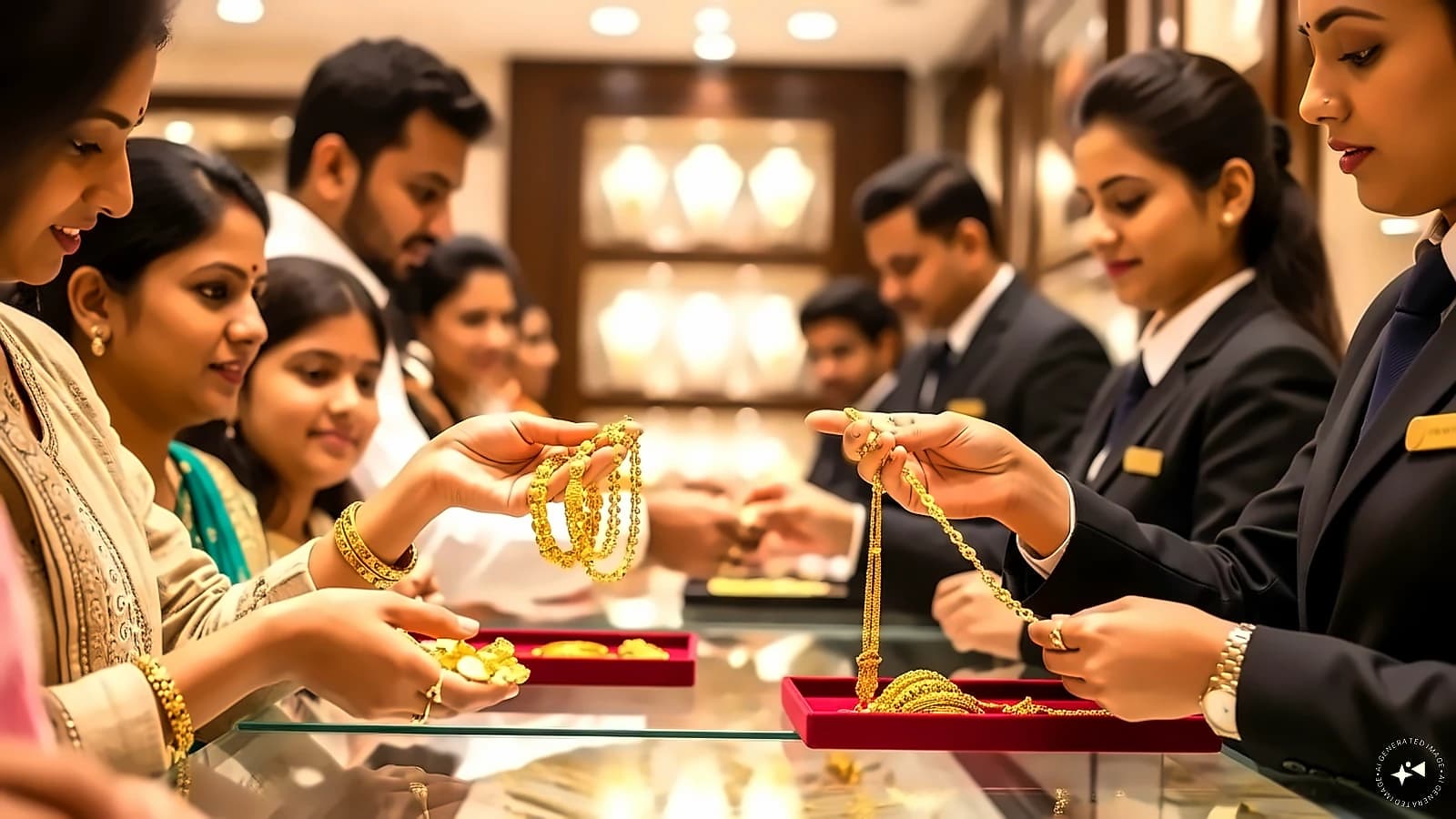
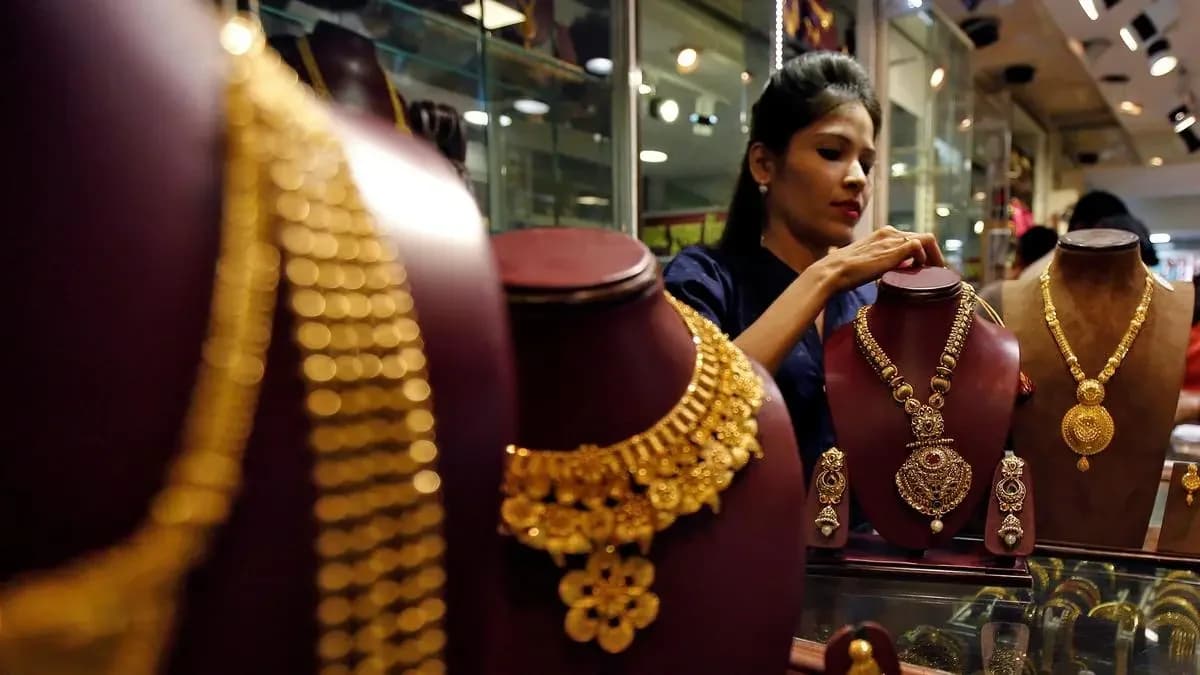
With Akshaya Tritiya set to be observed on April 19, India's jewellery industry is likely to see steady to moderately strong demand this festive season, even as elevated gold prices continue to shape consumer behaviour. According to reports from CNBC TV18, industry experts indicate that while high prices may weigh on volumes, overall demand in value terms could remain stable, supported by more planned and intentional purchases. The global gold rally, with State Street's research showing gold's historical performance during periods of elevated inflation, provides additional confidence for the domestic jewellery market's resilience.
Nitesh Jain, co-founder of Ethera (Bluestone-backed lab-grown jewellery brand), said demand this year is expected to remain steady to slightly stronger than last year, with consumers focusing more on design, value, and long-term wearability rather than traditional weight-based buying. As reported by CNBC TV18, lightweight jewellery, coins, and contemporary everyday pieces may see strong traction, alongside exchange-led purchases. There is also likely to be growing interest in versatile designs that can transition from festive occasions to daily wear, particularly among younger buyers. This consumer shift aligns with State Street's diversification math, which shows that portfolios with 10% gold allocation improved risk-adjusted performance across cycles, including major downturns like the 2008 financial crisis and 2020 pandemic crash.
Saumen Bhaumik, managing director at CaratLane, said the company expects positive double-digit growth, driven by improving sentiment and a shift towards planned purchases. According to CNBC TV18, he highlighted an emerging 'barbell' trend, where demand may concentrate at both ends—affordable lightweight designs and high-value solitaire-led jewellery. Similarly, Neil Sonawala, managing director at Zen Diamond India, said sales could see a 15–20% uptick compared to last year, supported by demand from younger buyers and continued interest in premium pieces above ₹1 lakh. At PNGS Reva Diamond Jewellery, CEO Amit Modak noted that consumers may view certified natural diamonds as both adornment and a store of value, reinforcing their appeal during auspicious buying occasions.
C Vinod Hayagriv, Managing Director, C Krishniah Chetty Group, said same-store sales have risen in the run-up to the festival, with demand across gold, diamonds, silverware, and lab-grown jewellery. According to CNBC TV18, he expects this trend to support a better performance than last year. Despite the rise of digital platforms, offline retail is likely to remain dominant due to the trust factor and the need for a tactile experience, though online channels may play a bigger role in influencing purchase journeys. The global gold rally, with central banks accumulating at unprecedented levels, creates a structural floor under gold prices that supports both retail demand and investor confidence in the precious metals sector.