Gold prices eased on Monday after last week's rally as COMEX gold traded near the $4,655-$4,700 per ounce range, while silver hovered around $79-$81 per ounce, according to The Hindu BusinessLine. The decline came as renewed tensions in West Asia, elevated crude oil prices, and a stronger dollar weighed on bullion sentiment. Analysts noted that rising geopolitical tensions and the recent jump in crude oil prices intensified inflation concerns, with crude oil surging after US President Donald Trump rejected Iran's response to a US-backed proposal, heightening fears around the ongoing West Asia conflict. As per Lemonn Markets Desk, silver remained relatively resilient due to steady retail demand ahead of the wedding season. However, gold prices also pulled back and witnessed a 0.25% decline to ₹152,150 per 10 grams today, with analysts noting that gold is largely being driven by global factors rather than domestic triggers.
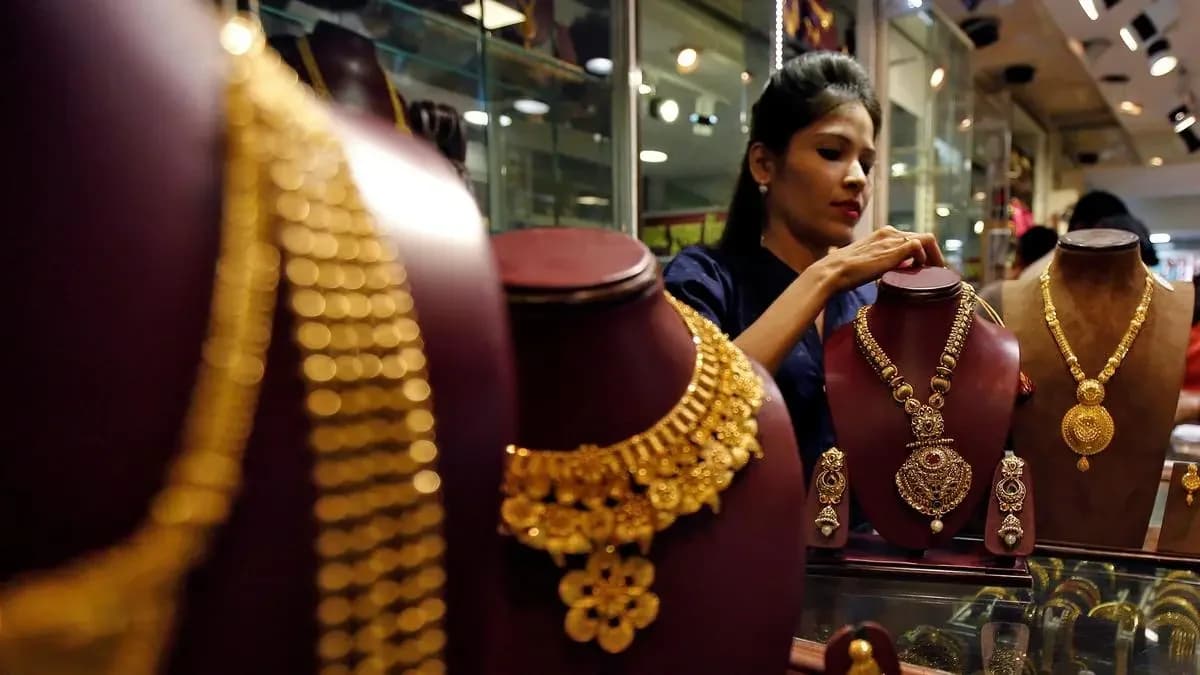
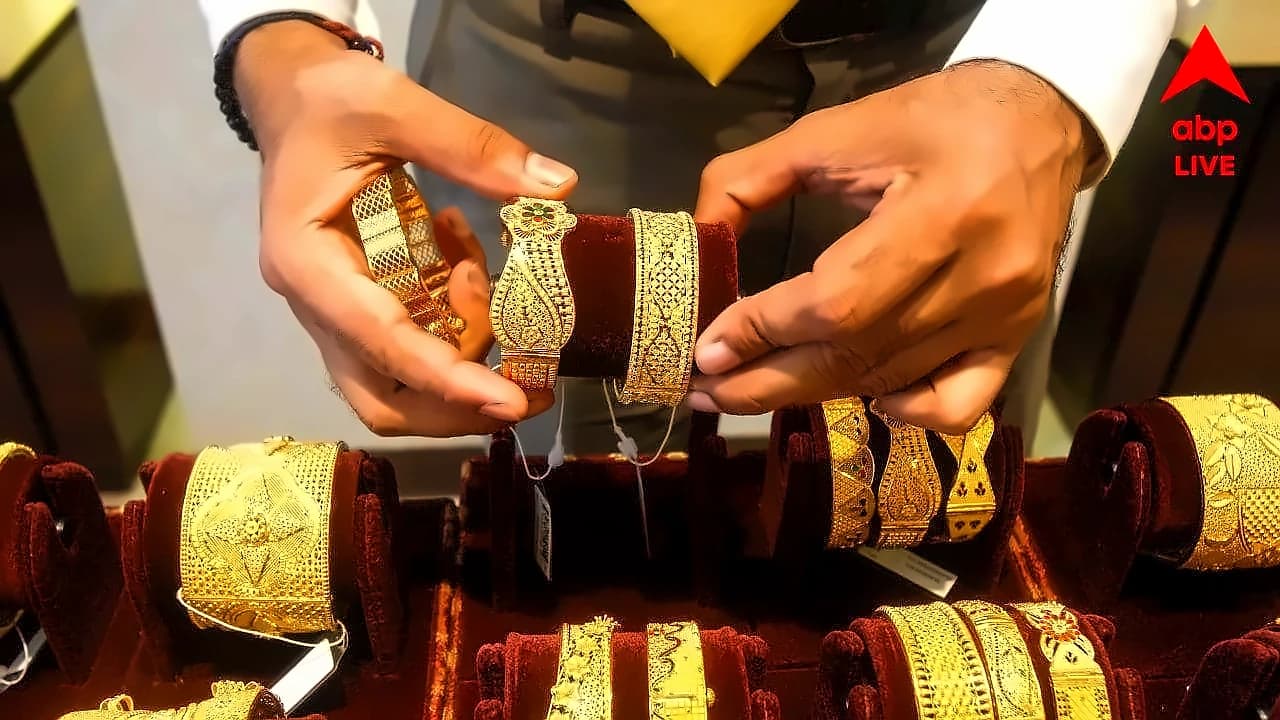
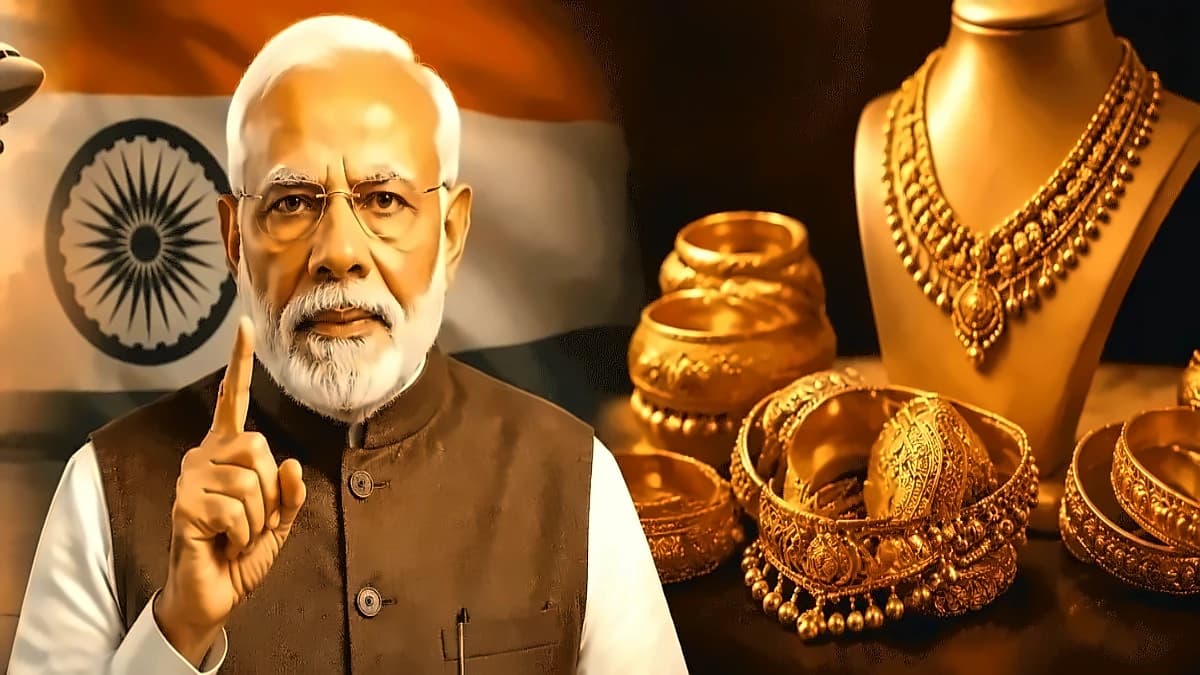
Prime Minister Narendra Modi's appeal to reduce gold jewellery buying could impact employment linked to the jewellery industry, which supports more than one crore people directly and several allied sectors indirectly, according to The Hindu BusinessLine. The jewellery industry contributes around 7 per cent to India's GDP and supports a large employment ecosystem through showrooms and artists. However, experts note that the appeal is unlikely to significantly alter long-term gold demand because of gold's cultural and investment importance in India, though discretionary jewellery purchases could slow in the near term. Jewellery stocks took the majority of the brunt of the Prime Minister's call and tumbled up to 12% in intraday deals today, with Titan share price declining as much as 6.4%, Kalyan Jewellers India shares dropping 8.3%, Sky Gold stock price plunging 12.2%, Senco Gold stock tanking 10.7%, and PN Gadgil Jewellers shares slipping 7%. The All India Jewellers & Goldsmith Federation (AIJGF) has now joined the All India Gem and Jewellery Domestic Council in warning that any broad reduction on jewellery purchases could affect economic activity and employment significantly.
The All India Jewellers & Goldsmith Federation (AIJGF) has urged the government to focus on domestic gold mobilisation and recycling instead of discouraging gold purchases, as reported by The Times of India. In a letter to Commerce Minister Piyush Goyal, AIJGF national president Pankaj Arora stated that while protecting foreign exchange reserves is important, the solution should not be demand destruction but domestic gold mobilisation, recycling and productive circulation of India's idle gold stocks. The federation emphasized that the jewellery sector supports nearly 35 million livelihoods across manufacturing, retail and artisan networks, and warned that weaker consumer sentiment could reduce footfalls and manufacturing orders. This proposal gains additional relevance as the government pushes for reducing pressure on India's foreign exchange reserves amid rising crude prices and geopolitical uncertainty.
The economic rationale behind PM Modi's gold appeal becomes clear when examining India's import dependency and foreign exchange challenges. RBI data shows that foreign exchange reserves fell by $7.794 billion to $690.693 billion in the week ended May 1 from a record high of $728.494 billion in the week ended February 27, before geopolitical tensions in the Middle East triggered sustained pressure on the rupee and prompted RBI intervention through dollar sales. Gold imports jumped 24% to an all-time high of $71.98 billion in 2025-26, compared to $58 billion in 2024-25 and $45.54 billion in 2023-24. The rise in imports has pushed the country's trade deficit to $333.2 billion during 2025-26. India's gold imports are estimated at roughly $58-60 billion in FY2025, marking the highest levels ever recorded and contributing roughly 8-10% of India's total merchandise import bill and nearly one-fifth of the country's overall trade deficit.
Economists view PM Modi's appeal as part of a broader effort to reduce non-essential dollar outflows at a time when expensive crude oil is threatening to sharply increase India's import bill. Akshat Garg from Choice Wealth Private Limited noted that the billion-dollar question is not whether Indians should stop buying gold, but whether India can create financial instruments compelling enough that households remain invested in gold without the metal ever leaving the country. The appeal comes as India's current account deficit for FY2025 is estimated at around 0.9-1.1% of GDP, or roughly $28-32 billion, higher than FY2024's relatively comfortable 0.7% of GDP. Manoranjan Sharma from Infomerics Ratings said that if Indian households stop buying gold for a year, the current account deficit would narrow sharply, easing external financing pressures and improving investor confidence. Garg believes a meaningful reduction in gold imports could compress India's current account deficit back towards 0.4-0.6% of GDP, a much more comfortable zone for policymakers.
Following PM Modi's remarks and rising geopolitical concerns, major jewellery stocks on the National Stock Exchange came under severe pressure on Monday, according to The Hindu BusinessLine. PNG Jewellers declined around 8 per cent, while Kalyan Jewellers fell 8 per cent. Thangamayil Jewellery shares declined around 4 per cent, and Titan Company stock dropped more than 6 per cent. Kaynat Chainwala from Kotak Securities noted that while Modi's remarks had already impacted jewellery stocks, there was no regulatory mechanism to curb purchases, making the impact largely sentiment-driven. Analysts expect volatility to persist as investors track US inflation data, Federal Reserve commentary, crude oil prices, and geopolitical headlines. However, experts believe that gold is deeply embedded in Indian culture and household finances, with weddings, festivals and family savings often revolving around gold purchases. Garg noted that India's household savings pattern is already shifting away from physical assets towards financial products, with the share of physical assets in household savings dropping from roughly 55% in 2012 to around 38-40% today.