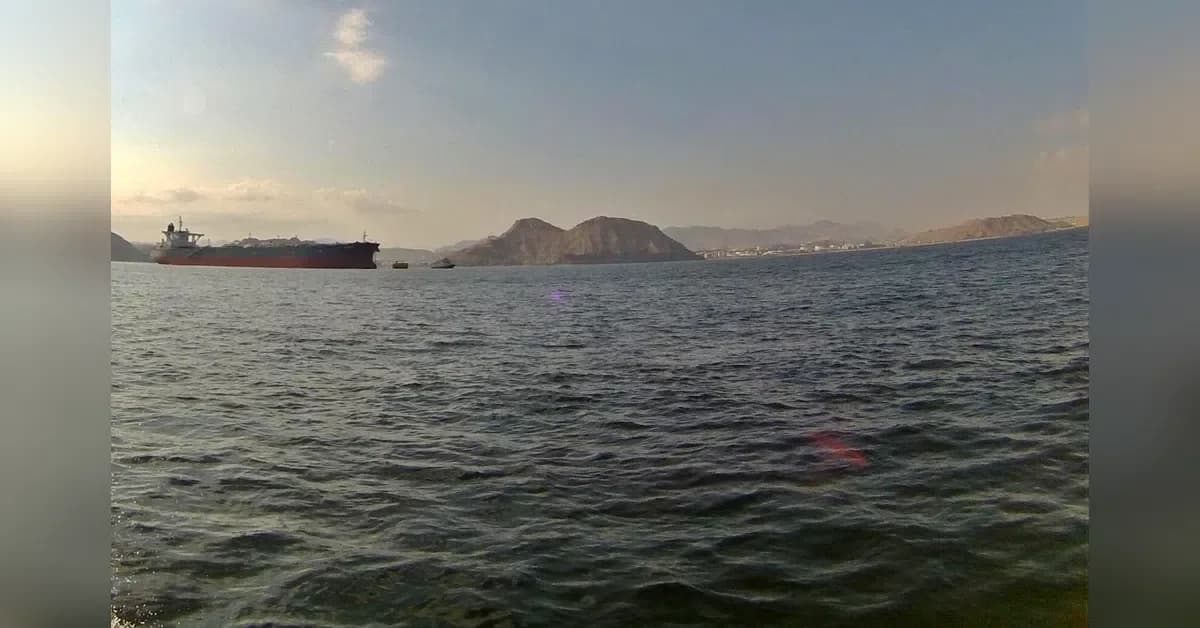
Crude oil loading operations at Iraq's Basra oil terminal were suspended following a drone crash involving a tanker at the facility, according to reports from Reuters citing four Iraqi oil and security sources. The drone incident caused no fire or damage, as confirmed by the sources. The oil tanker involved in the incident was towed outside the port alongside another tanker that was anchored as a precautionary measure. Iraq's oil terminals are strategically located in the south of the country, making this incident particularly significant for the country's crude oil export operations. A Ministry spokesperson reported that operations were ongoing at Iraq's southern ports, noting that the affected oil tanker was towed out as a preventive measure.
Despite the limited damage at Basra, crude oil flows were suspended in all of Iraq's oil loading terminals following the incident, according to Reuters sources. This represents a significant escalation from the previous incident where only Basra operations were affected. The complete shutdown demonstrates the heightened security protocols being implemented across Iraq's critical oil infrastructure. Oil loadings continue at average rates depending on the vessels' availability, though the broader suspension affects all major terminals including Umm Qasr (Iraq's principal deep-water seaport) and Grand Faw (situated on the al-Faw Peninsula).
Despite the drone incidents, WTI crude oil, the US oil benchmark, holds its retreat from the $80 mark, trading 0.96% lower at $79 as of writing, according to Reuters. The oil market's resilience suggests that investors are not yet pricing in sustained disruption to Iraqi exports. Oil minister Basim Mohammed previously reported April exports of 10 million barrels via the Strait of Hormuz, down from about 93 million per month before the war, with June shipments totaling around 24.5 million barrels. The latest drone incidents at Iraq's key Basra ports demonstrate the mounting disruption to Iraq's traditional export routes through the Strait of Hormuz.
The drone incidents come amid heightened regional tensions, with Kuwait reporting a series of Iranian missile and drone attacks over the past two days. On Wednesday, Kuwait's defence ministry said Iran launched four cruise missiles and 21 drones towards its territory, adding to the 33 Iranian drones, one ballistic missile and five cruise missiles fired the previous day. Iran's Islamic Revolutionary Guard Corps (IRGC) claimed to have launched attacks targeting what it described as a US military base in Kuwait, claiming strikes on satellite communications center, missile and air defense radar systems, Patriot air defense battery, a logistics depot, and HIMARS missile launchers. The IRGC also reported strikes on weapons and equipment depots used by US vessels and aircraft at Sheikh Isa Air Base in Bahrain and the deployment ramp for MQ-9s at Ali Al Salem Air Base in Kuwait.