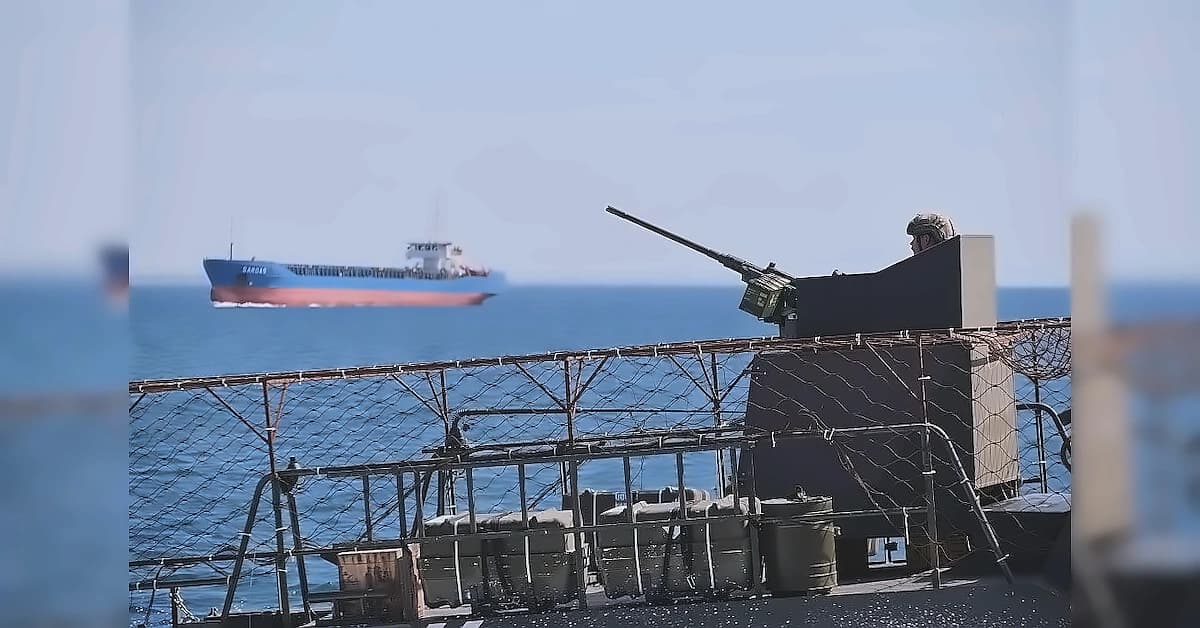
Ukrainian President Volodymyr Zelensky halted Ukraine's drone campaign against oil tankers in the Black Sea after a request from US Vice President JD Vance, according to reports from the Financial Times citing Ukrainian officials. The agreement came after Vance asked Zelensky during a July 31 phone call to halt attacks on vessels linked to the Caspian Pipeline Consortium (CPC), a key export route for Kazakh oil. Since that call, Ukraine has not struck tankers in the CPC terminal, as confirmed by the Financial Times. The Trump administration has warned the Ukrainian government of the need to "cease and desist" from targeting non-Russian vessels in the Black Sea, with a US official telling Reuters that the US views the CPC as an alternative to Russian energy supplies. A US official confirmed to the Financial Times that the administration had warned Ukraine to stop attacking non-Russian vessels in the Black Sea, as reported by the newspaper.
Ukraine has agreed not to target CPC infrastructure or non-Russian vessels under specific conditions, as reported by the Financial Times. The restrictions apply when non-Russian vessels are not under Ukrainian sanctions and are not carrying Russian oil or cargo. This represents a significant shift from Ukraine's recent strategy of targeting Russian energy infrastructure and other sites as part of efforts to deprive Russia of resources to fund its military operations. The Financial Times reports that "mechanisms" have been established to implement the request, with a senior Ukrainian official telling the newspaper that "We are listening very attentively to our American partners." The CPC issue has been the subject of ongoing discussions between the Ukrainian, US and Kazakh governments, according to the official.
Black Sea drone attacks took out as much as a fifth of CPC oil loadings in July, according to four sources familiar with the data cited by the Financial Times. Kazakhstan, which relies on the CPC route for crude exports, suffered a drop of 14% in oil production in July versus June, with major Western oil companies including Chevron and Exxon Mobil among those operating there. The disruptions have spilled over to affect sales by Kazakhstan and western oil majors as the Russia-Ukraine war continues to impact regional energy operations. Kazakhstan sends some 80% of its oil exports via the CPC to Novorossiysk, making the pipeline crucial for the country's energy exports. Following the drone attacks, Kazakhstan said it was considering alternative routes for its oil, with the Kazakh Ministry of Energy considering transportation through the Baku-Tbilisi-Ceyhan system, shipments across the Caspian Sea through Azerbaijan, and the Baku-Supsa route.
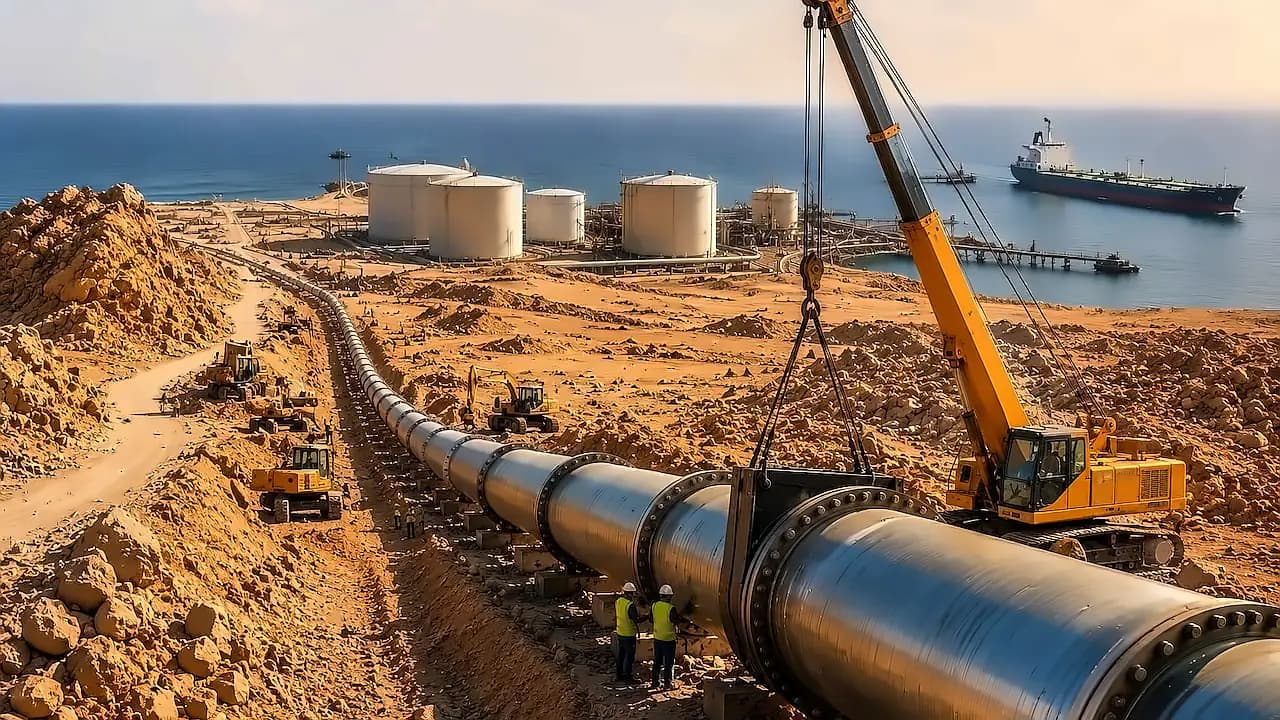
The US administration views the CPC as "a vital conduit of Kazakhstan-origin energy for European markets that serves as an alternative to Russian energy supplies," according to an unnamed US government official quoted by the Financial Times. The pipeline operates from the Caspian coast in northwest Kazakhstan to the Novorossiysk port, which handles most of Kazakhstan's crude exports from giant oilfields operated by international firms including Chevron, ExxonMobil, Shell, and Eni. The CPC transports crude oil from three major fields in Kazakhstan: Tengiz, Kashagan, and Karachaganak, where major western companies have significant stakes. Chevron owns a 50% stake in the Tengiz oil field, Kazakhstan's largest, while ExxonMobil holds a 25% stake. The attacks caused Kazakh oil production to fall to just about 1 million barrels daily at the end of July, down from over 2 million barrels daily in June.
According to people familiar with the call, Zelensky agreed to stopping the strikes on CPC because he is still seeking the license to produce Patriot missiles that US President Trump publicly pledged to give him earlier this summer. Zelensky reportedly stressed to Vance that Patriot missiles, along with other interceptors and air defense missiles, were "top priority" for Ukraine. Meanwhile, Ukraine has stepped up its attacks on Moscow's oil and shipping infrastructure in August alone, hitting three Russian oil refineries, an airfield, and a warehouse for Russian shipping giant Wildberries, as reported by the Financial Times. This demonstrates Ukraine's continued focus on targeting Russian energy infrastructure while maintaining the CPC ceasefire agreement with the US.