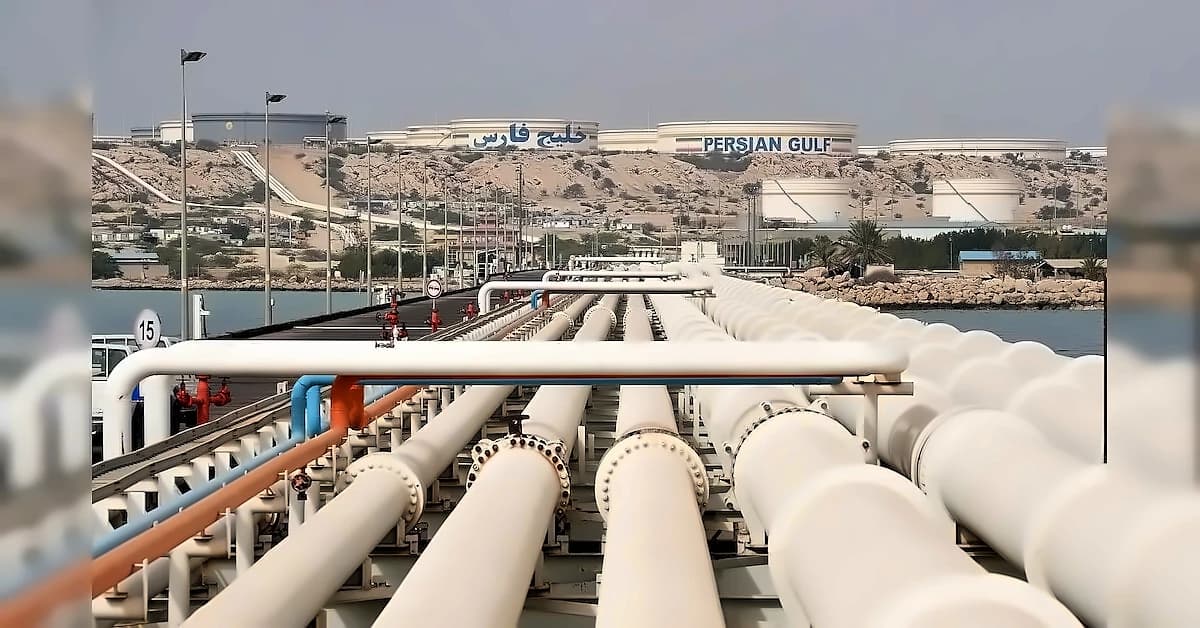
Iraq's Oil Ministry has officially denied considering withdrawal from the Organization of the Petroleum Exporting Countries (OPEC), issuing a statement to clarify its position. According to the latest ministry statement, "The reports circulated regarding Iraq threatening to end its membership in OPEC do not reflect the official position of the Iraqi government." The ministry emphasized that neither Prime Minister Mohammed Shia al-Sudani nor the government has raised the issue of withdrawal, with Oil Ministry spokesman Salim Farhoud confirming that Iraq has no current intention of leaving OPEC and remains committed to working within the group's framework and mechanisms. As reported by Reuters, the ministry clarified that Iraq could eventually reconsider its membership but has no current plans to leave OPEC. The ministry has firmly denied claims that Baghdad is threatening to leave the organization, following earlier reports suggesting the country could reconsider its membership if its production quota is not raised.
Iraq is now considering all available options, including a potential exit from OPEC, if the producer group does not significantly increase its oil production quota, according to sources familiar with Iraqi oil policy. The warning comes as Iraq faces mounting economic pressure following the Iran war and seeks to boost oil revenues to support its finances. Iraq is OPEC's second largest producer and one of the group's five founding members, making any discussion of a possible departure particularly significant. Baghdad argues that its production quota should better reflect its output capacity and growing population. A senior Iraqi oil ministry official said Baghdad's preferred option remains staying within OPEC while securing a larger production allocation, but warned that failure to address Iraq's concerns could force the country to consider alternative paths. The ministry has consistently emphasised the need to reassess production ceilings in line with the sustainable production capacities of member states, as well as understandings related to Iraq's security and economic situation.
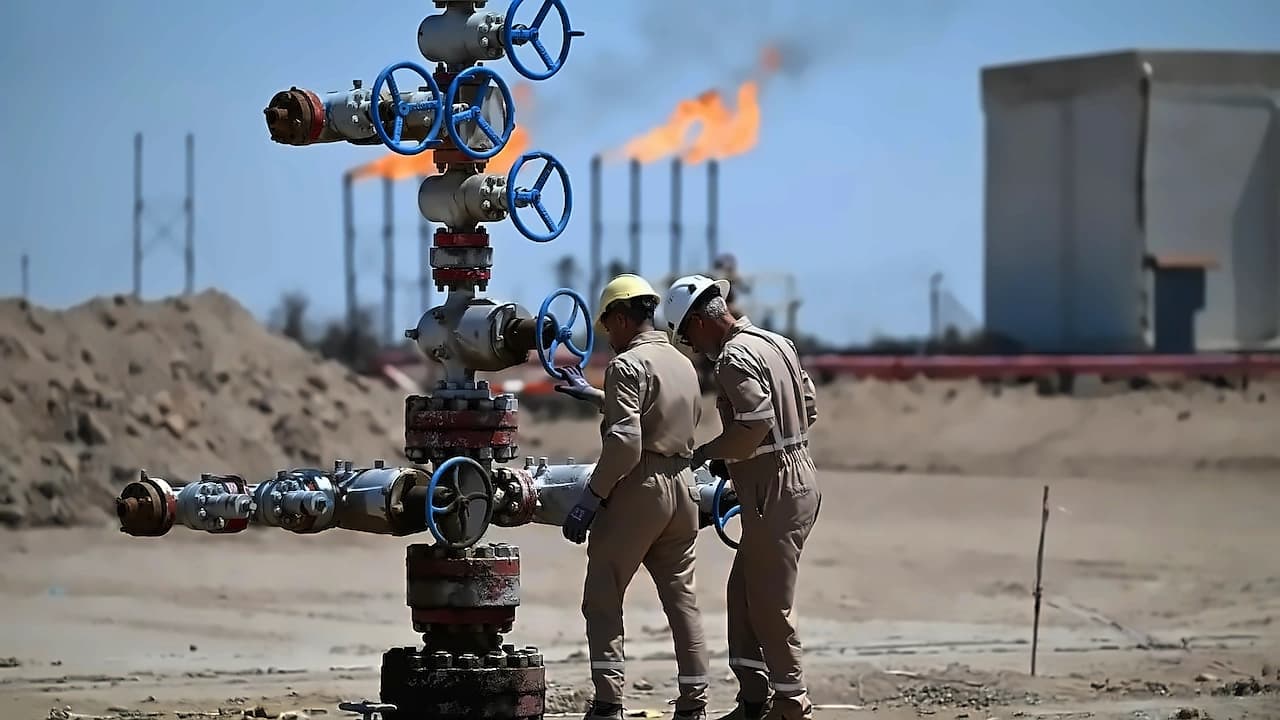
Iraq's Oil Ministry spokesperson Salim Farhoud announced that the country is working to restore production to more than 3 million barrels per day within two months after output fell to around 1.3 million barrels per day during the recent conflict. According to Reuters, operating companies have already begun ramping up production at affected fields as conditions improve. Before the war began on February 28, Iraq produced around 3.3 million to 3.5 million barrels per day, with most exports shipped through the Strait of Hormuz. The ministry emphasized that Iraq has consistently emphasized the importance of reassessing production ceilings to better reflect the sustainable production capacities of member states, taking into account Iraq's unique circumstances including more than four decades of wars, sanctions and security challenges, most recently damage to parts of the country's oil infrastructure caused by terrorist attacks.
According to Shafaq sources, any decision to increase production or withdraw from OPEC would likely come after Prime Minister Ali al-Zaidi's planned visit to Washington in the middle of next month. Iraq has seen the worst of the Middle East crisis as its heavily oil-dependent economy was collapsing with the trickling oil revenues amid the blockage of the Strait of Hormuz. Petroleum sales still account for 90% of revenues for the state budget, making Iraq the most dependent on oil among Middle Eastern producers. The recovery of production in Iraq could turn into a dispute with OPEC if Baghdad pushes to raise its oil production too much above its current quota. An Iraq exit would be an even bigger blow to the cartel than the abrupt withdrawal of the United Arab Emirates (UAE) earlier this year, which became the first major Gulf producer to leave OPEC in May in nearly six decades, citing national interests and seeking greater freedom from the group's production quotas.