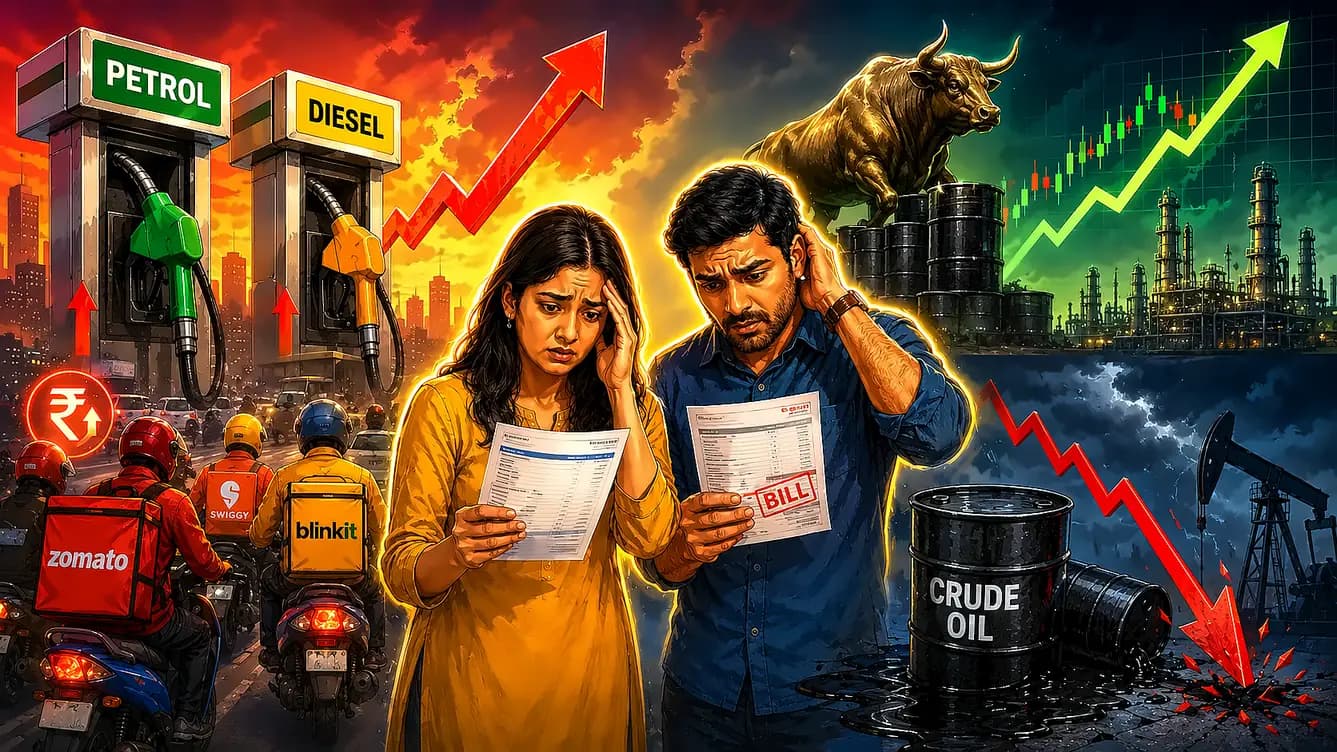
Oil prices jumped more than 2% following a drone strike near the Barakah nuclear plant in the UAE and renewed tensions involving Iran, triggering fresh concerns about global crude supplies. According to Goodreturns, at 7:20 am, the July Brent contract traded at $111.56 per barrel, up 2.18% from the last close, while the June West Texas Intermediate contract gained 2.64% to $108.20 per barrel. The incident occurred after a drone attack triggered a fire close to the Barakah Nuclear Power Plant in Abu Dhabi on Sunday, with authorities reporting no casualties but confirming that a third drone hit an electrical generator outside the inner perimeter, causing a fire but not affecting radiological safety levels. Saudi Arabia also reported intercepting three drones on Sunday, adding to regional security concerns and reviving fears of further disruption in a region that plays a critical role in seaborne oil trade.
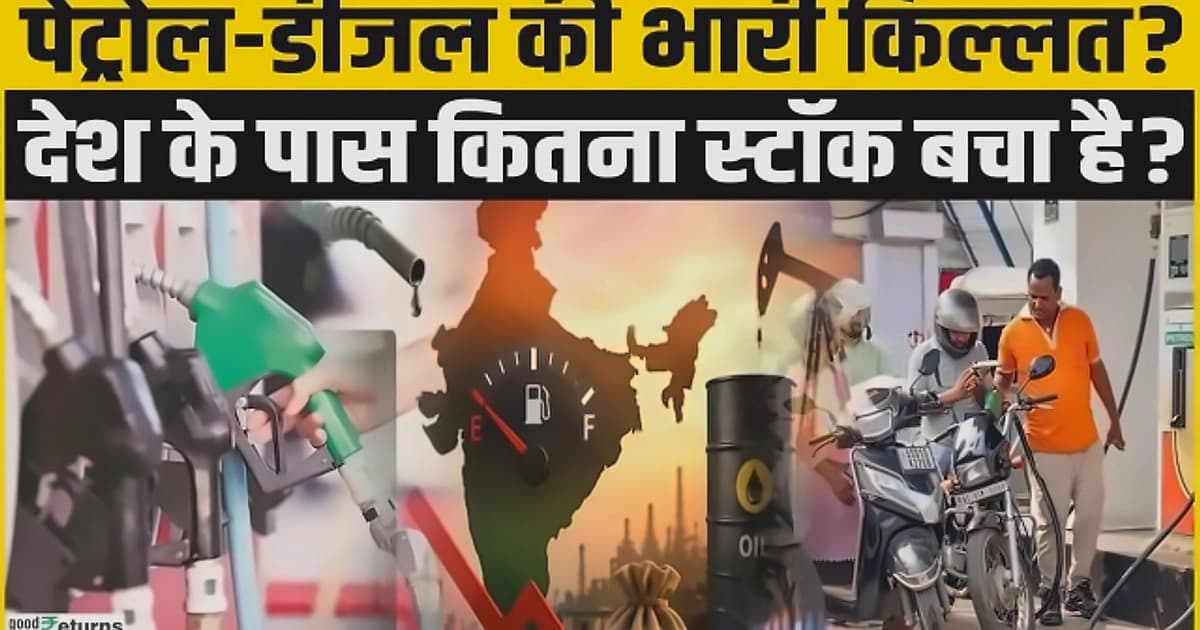
Oil marketing companies in India increased petrol and diesel prices by ₹3 per litre on 15 May, ending a two-year freeze on rates as global crude benchmarks hit multi-month highs. As per Goodreturns, petrol in the national capital now costs ₹97.77 per litre, while diesel is priced at ₹90.67 per litre, reflecting sustained pressure from expensive imported crude. The India basket of crude stood at $108.36 per barrel on 14 May, combining Sweet grade Brent Dated and Sour grade Oman and Dubai crude, mirroring the typical import mix handled by Indian refineries. This price increase directly impacts Indian consumers after the prolonged pause in fuel rate adjustments, with the situation linked to both regional security near key energy assets and unresolved tensions between Iran and the US.
The Iran war has disrupted global oil supply significantly, with the International Energy Agency (IEA) reporting that global oil supply has declined to 95.1 million barrels per day, representing a loss of 12.8 million barrels per day since February 28. According to the latest IEA report, the market is likely to stay heavily undersupplied until the end of the third quarter of 2026, even if hostilities ease by early June. The agency estimated a present shortfall of around 6 million barrels per day in global supply and projected that global output could drop by 3.9 million barrels per day across 2026, if current trends continue. Iran's blockade of the Strait of Hormuz, along with the US administration's naval blockade of Iranian ports, is still affecting about 20% of global energy trade that passes through the crucial waterway. The Brent crude benchmark has burst past $100 levels for the first time since July 2022, prompting the IEA to decide on a record 400 million barrels release from strategic reserves to quell surging crude prices.
The fertilizer industry faces an unprecedented crisis as the oil and gas disruption has severely impacted global agricultural production. According to Oilprice.com, two major fertilizer nutrients, Nitrogen and phosphate, are under immediate threat from the blockade on the Strait of Hormuz. Nitrogen supplies, including urea, the most widely traded fertilizer, have felt the biggest impact due to shipping delays and rising LSG prices - an essential ingredient in production. Svein Tore Holsether, CEO of Yara, one of the world's biggest fertilizer producers, warned that trade delays due to the war in Iran could cost up to 10 billion meals a week globally and would hit the poorest countries hardest. He emphasized that lower crop yields due to limited fertilizer use could decrease yields for certain crops by as much as 50 percent in the first season. The crisis comes at the worst time for much of the northern hemisphere, where it is the prime planting season, with the deputy executive director of the World Food Programme explaining that in the worst case, this means lower yields and crop failures next season.
The traditional reliance on Saudi Arabia as the ultimate power broker in the Gulf is fracturing, with the UAE and India building a separate, highly integrated economic and military corridor. As per The Hindu, the UAE is betting its regional security on New Delhi's rising naval capabilities, with geopolitical analysts tracking a distinct pivot as the UAE distances itself from Riyadh's controversial mutual defence pact with Pakistan. By prioritizing the UAE over Saudi Arabia on this physical tour, India is sending a clear diplomatic signal regarding which Gulf state it views as its primary strategic anchor for the next decade. The partnership creates a structural shift where India is not just securing oil; it is stepping into the security vacuum created by the US-Iran war. PM Modi's visit to the UAE was explicitly designed to insulate India from the chaos of the ongoing US-Iran war, with the Prime Minister now pivoting to secure investments in green transition, artificial intelligence, and blue economy technologies during the upcoming India-Nordic Summit. If the fuel and fertilizer trade continues to be disrupted for much longer, we can expect to see rising food prices and threats to food security in several regions of the world over the next year.