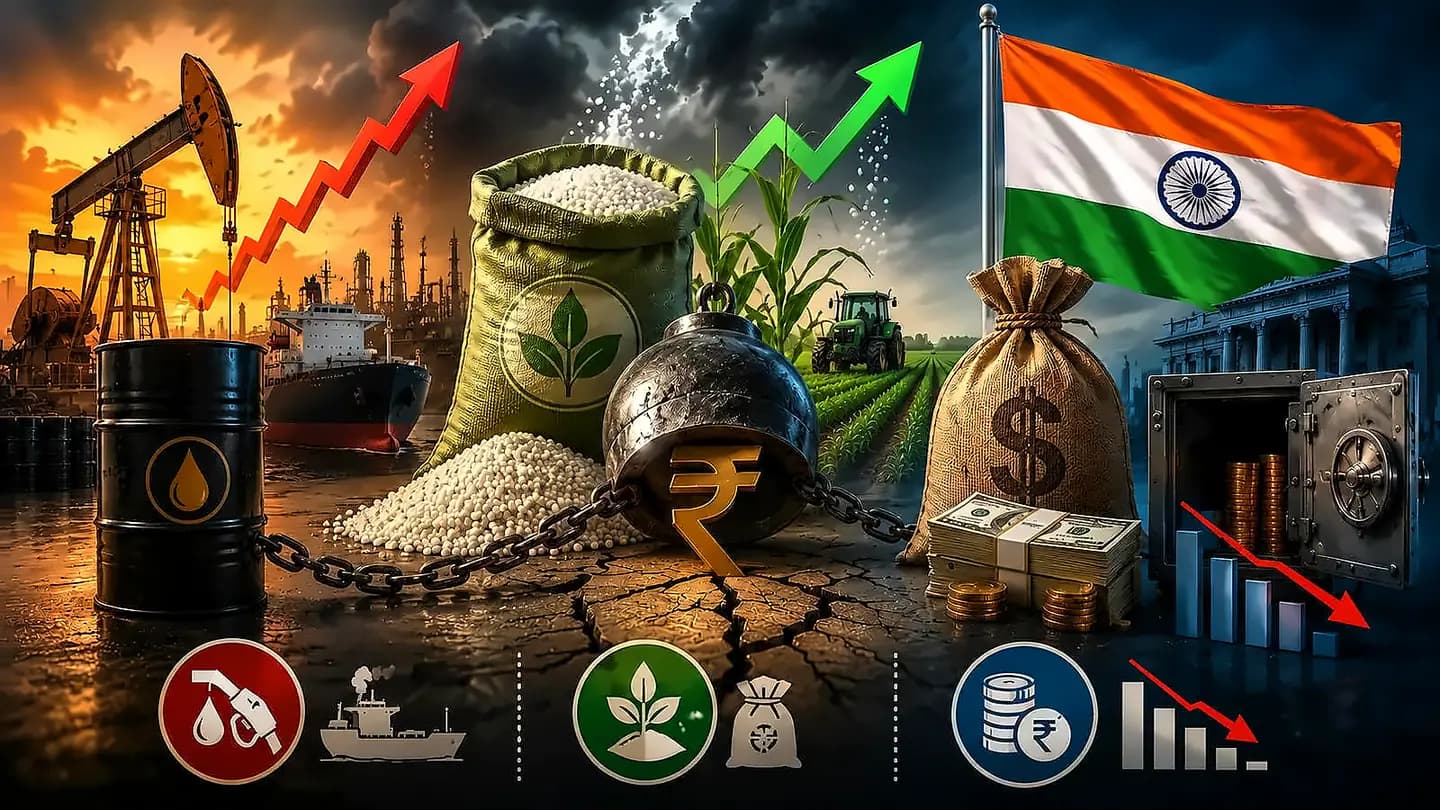
According to market data from Goodreturns, petrol is currently priced at ₹106.68 per litre while diesel stands at ₹93.14 per litre as of the latest reporting. The fuel pricing data reflects current market conditions and government pricing mechanisms. However, recent developments show petrol has crossed ₹106 per litre and diesel is around ₹94 per litre in major cities like Bengaluru, indicating continued price pressures. On 11 April 2026, the Indian government increased export duty on diesel from ₹21.5 to ₹55.5 per litre, and on jet fuel from ₹29.5 to ₹42 per litre, further escalating domestic fuel costs.
Brent crude oil futures are trading strongly upward, rising past $108 per barrel as of May 15, 2026, representing a gain of over 2% on the day driven by escalating supply concerns in the Strait of Hormuz. The market is on track for roughly 6-8% weekly gain due to heightened geopolitical risk and fears of severe supply shortages. WTI oil performance is higher, breaking above $104 per barrel—a gain of over 3% today and on track for a 9%+ weekly increase. MCX Crude Oil futures are showing positive momentum, trading comfortably above ₹9,900 per barrel, with current prices varying in the ranges of ₹9,946 – ₹9,991 and trading up by approximately 2.28% – 2.9%. The Indian Basket of Crude Oil was around $114.48/bbl in April 2026 and $105.87/bbl in May 2026.
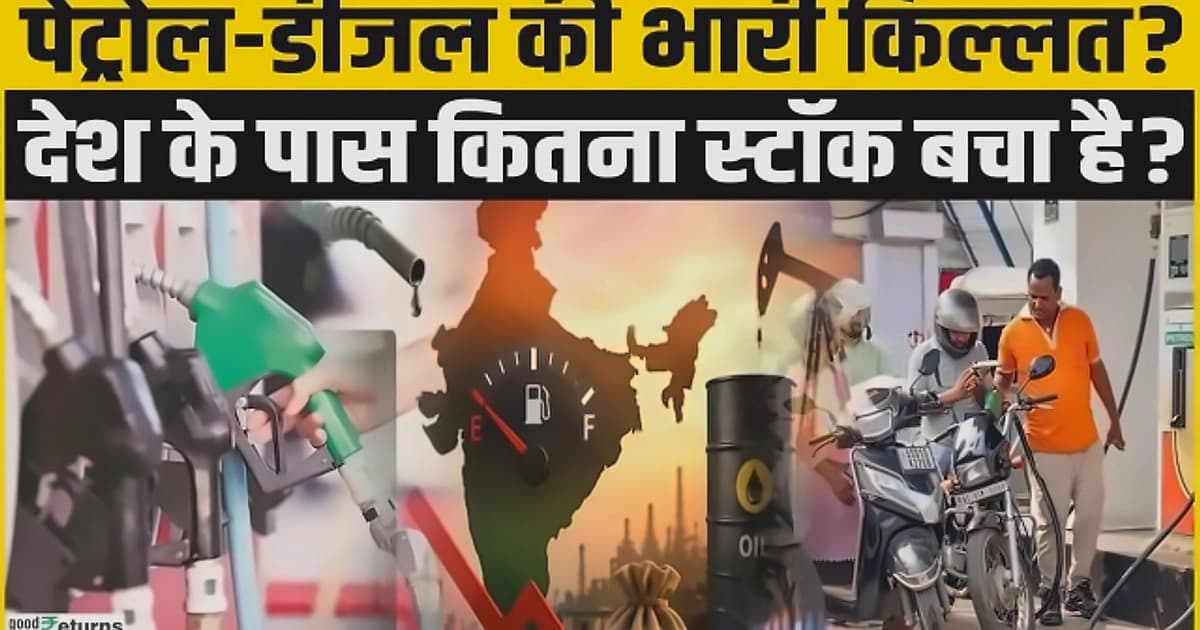
India's crude oil imports experienced a sharp decline in early April 2026, dropping 21% and averaging 4.1 million barrels per day (mb/d) down from 5.2 mb/d in February due to Middle East tensions. India's total import bill hit $775 billion in FY26, with crude oil accounting for $134.7 billion. India's crude oil stocks fell by 15% since late February, while global observed oil stocks dropped by 129 million barrels in March and an additional 117 mb in April 2026. Petroleum product exports from India increased by 34.66% in April 2026, reaching USD 9.59 Billion, highlighting India's role as a major refiner exporting to over 100 countries. India remained the world's third-largest oil consumer in 2025, with record-high import dependency reaching 88.6% between April 2025 and January 2026, relying heavily on Russia for over 30% of supplies.
The Government of India has implemented targeted measures to address the energy crisis, reducing excise duty by ₹10 to protect consumers amid the West Asia conflict and supply-side disruptions. With Brent crude rising to historic highs and supply chain disruptions across the globe, a limited ₹3/litre increase became inevitable. According to Pralhad Joshi, India's +3.2% hike remains among the lowest globally, with other major oil-importing countries experiencing much steeper increases: USA +44.5% | Sri Lanka +38.2% | UK +19.2% | Germany +13.7%. The government's response comes as the world witnesses an unprecedented and unpredictable energy crisis with supply routes under immense stress globally.