Iraqi crude oil exports through the Strait of Hormuz have plummeted from 93 million to just 10 million barrels amid the ongoing Iran-US conflict, according to latest reports from WION. This represents a 90% decline in Iraqi crude exports through this critical waterway, highlighting the severe impact of the 12-week-old conflict on regional energy trade. The dramatic reduction in export volumes underscores the effectiveness of Iran's blockade strategy and the challenges facing international oil trade in the Persian Gulf region. Iraq's new oil minister Basim Mohammed confirmed at a press conference on Saturday that Iraq exported 10 million barrels of oil via the Strait of Hormuz in April, down from about 93 million barrels monthly before the Iran war. As per Reuters, Mohammed explained that "Exports through the Strait of Hormuz are low and depend on the arrival of oil tankers, which are not entering because of insurance."
Iraq has successfully resumed crude exports through alternative routes, with the Kirkuk–Ceyhan oil pipeline resuming operations in March after Baghdad and the Kurdistan Regional Government agreed on restarting flows. According to Reuters, Iraq currently produces 1.4 million barrels per day and exports 200,000 barrels through the Turkish Ceyhan port, with plans to increase this to 500,000 barrels. The country is also in negotiations with U.S. companies including Chevron, ExxonMobil and Halliburton on developing oil and gas projects, with the minister urging firms to sign contracts as soon as possible to secure significant revenues for Iraq. Additionally, Baghdad is in talks with Ankara on a new cooperation agreement covering upstream and downstream projects, expanding on a previous deal that was limited to crude exports.
As this conflict enters its 12th week, the movement of vessels in and out of the Persian Gulf remains significantly below pre-war levels, as reported by Bloomberg. Traffic picked up slightly on Saturday morning, with six vessels observed passing through the strait. Friday's observable outbound transits included a bulk carrier and two Iran-linked vessels — a fuel tanker and a container ship — in addition to the China-linked liquefied petroleum gas carrier reported yesterday. Despite repeated assertions by US President Donald Trump that Iran will soon capitulate, there are no indications that the country intends to ease its blockade of the Strait of Hormuz. Tehran has stipulated -- as one of five conditions for re-engaging in negotiations to end the conflict -- that Iran's sovereignty over this strait must be recognised.
The Strait of Hormuz serves as a critical chokepoint for global energy trade, with the reduced traffic through this strategic waterway highlighting ongoing disruptions to normal shipping patterns in the region. The tanker's successful crossing represents a notable development as it demonstrates continued international trade flows despite the ongoing regional tensions and blockade conditions. According to ship-tracking data compiled by Bloomberg, the movement of commercial vessels typically observed daily in both directions along the waterway dropped to five on Friday, down from 11 the previous day. The closure of the Strait of Hormuz due to the Iran war has curtailed oil exports from Saudi Arabia, the UAE, Kuwait and Iraq, sending prices sharply higher. Looking ahead, Iraq plans to engage with OPEC to boost the country's production and export capacity, with the minister stating that "When exports increase and the ceiling opens up with OPEC, we will bring in significant financial revenues for Iraq." Iraq has no intention of leaving OPEC or OPEC+, and supports a strong organization to ensure stable and acceptable oil prices.
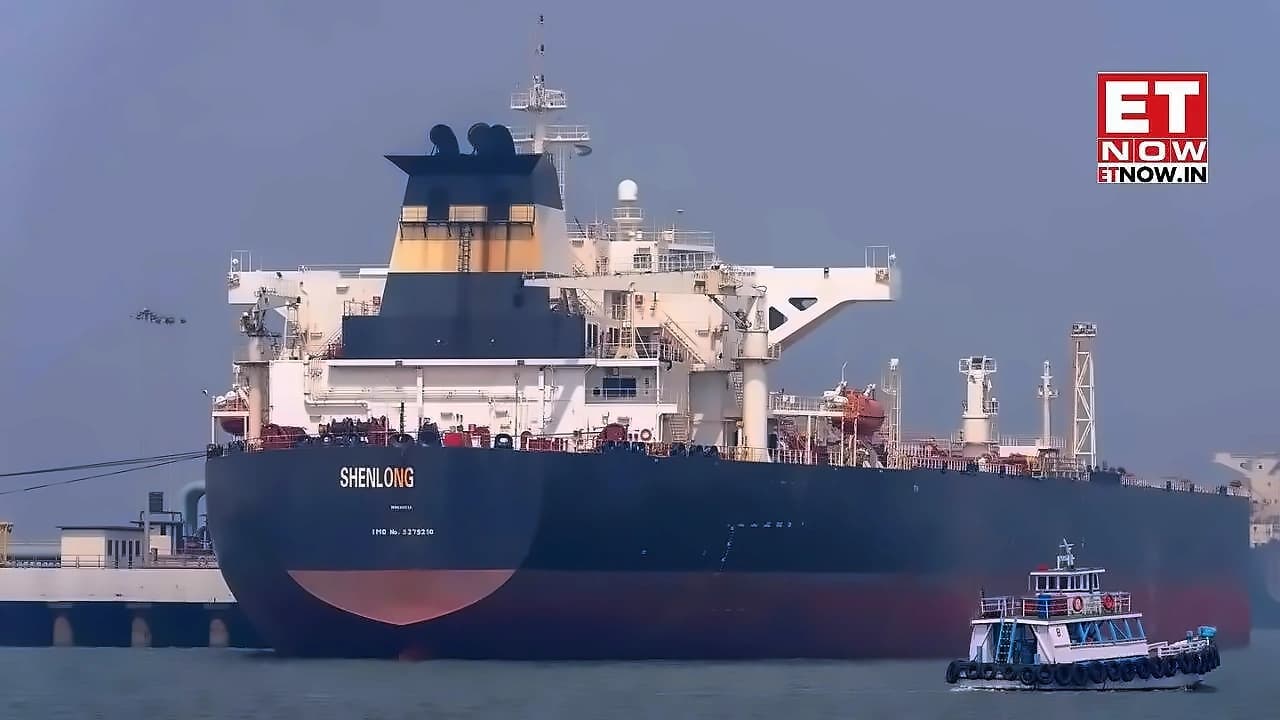
In a post on X, US Central Command reported on Friday that the military has now diverted 75 commercial ships since imposing its own blockade on Iran. The oil tanker Agios Fanourios I, which was halted by the US on a voyage from Iraq to Vietnam, remains in the Gulf of Oman, while the very large crude carrier Kiara M, which also crossed out of the Persian Gulf after loading at Basra, appears to have completed switching its cargo onto another ship off Oman, according to tracking data. Saturday started busy by recent standards, with a products tanker, three bulk carriers and a livestock transporter heading out of the Gulf, indicating some recovery in commercial traffic despite the ongoing tensions.