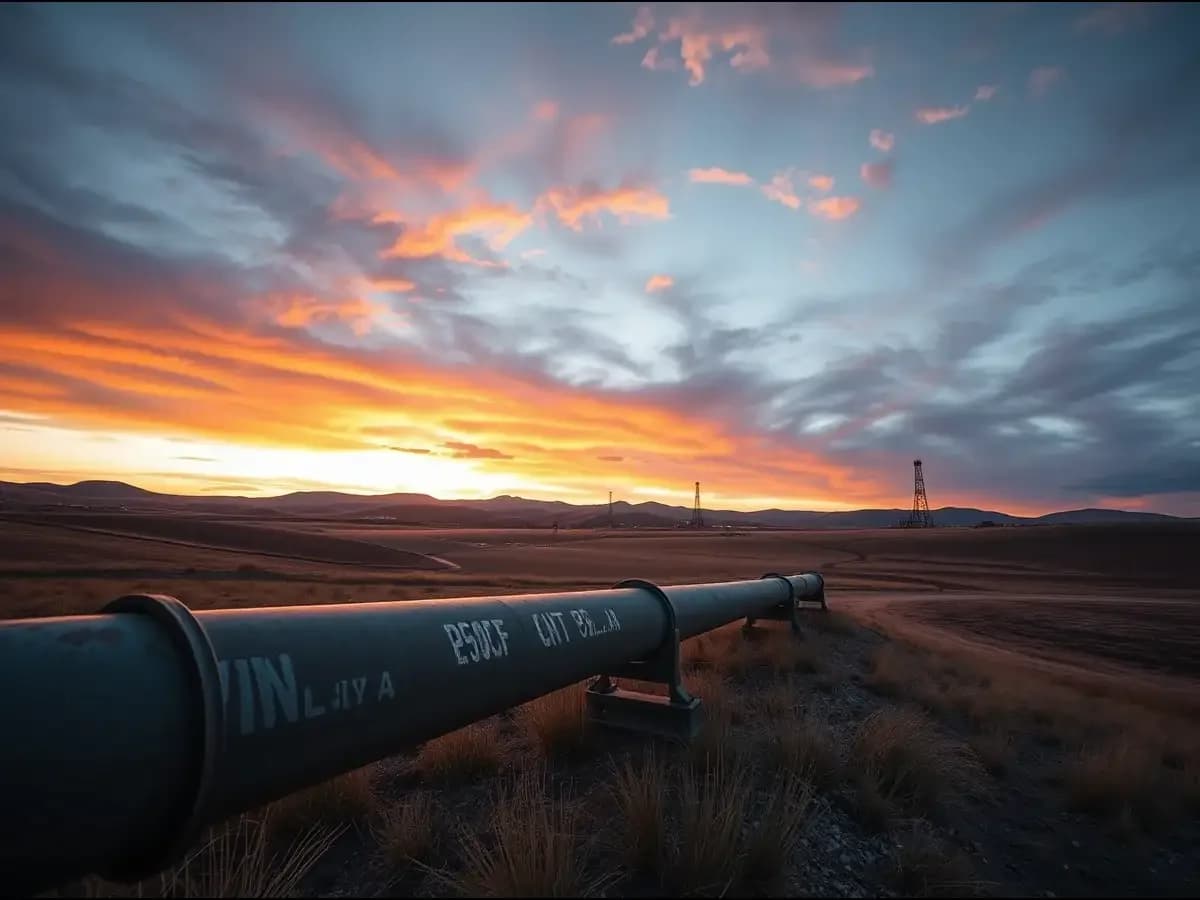
European natural gas prices have surged through €100 per megawatt-hour for the first time since the 2022 energy crisis, with benchmark futures jumping more than 5% to reach the highest level since December 2022. According to NDTV, Dutch front-month futures traded 4.4% higher at €100.30 per megawatt-hour by 5:29 p.m. in Amsterdam, while equivalent contracts in the UK also jumped to the highest level since December 2022. The surge represents a more than tripling of prices since before the Iran war, rapidly reversing years of progress in bringing Europe's energy costs back under control. Supply disruptions linked to the Middle East conflict have already added more than €100 billion to Europe's fossil-fuel import bill. Latest reports from Jefferies indicate that LNG prices have climbed 6% week-on-week to an average of $32 per million British thermal units (mmBtu), raising concerns about affordability in India as winter approaches.
Germany has pushed back against Italian criticism that last-minute efforts to replenish natural gas inventories are driving up prices across Europe. As reported by Bloomberg, Economy ministry spokeswoman Susanne Ungrad firmly rejected Italian accusations that German procurement efforts through SEFE are contributing to the price surge. The dispute follows comments from Alessandro Noce, a senior official at Italy's energy ministry, who blamed recent German stockpiling efforts for helping push benchmark gas prices above €100 a megawatt-hour this week, arguing prices would otherwise be closer to €70. Germany's storage sites are currently about 62% full, compared with 91% in Italy and an EU average of 75%. Political friction risks intensifying if colder weather tightens supplies and causes prices to spike further.
Iran has presented a 7-day plan to end its war with the United States, with Foreign Minister Abbas Araghchi stating the proposal could be implemented in less than a week if necessary arrangements are secured. According to reports from Anadolu, Araghchi wrote on X that "We remain in close and ongoing contact with intermediaries to review ideas that can ensure implementation of our 7-Day Plan in even less than a week." The foreign minister emphasized that while Iran's armed forces are fully prepared to defend the homeland, the country continues to give diplomacy a chance to succeed. This diplomatic approach comes as both nations engage in direct warfare for the first time following decades of animosity, with hostilities beginning in February following joint US and Israeli airstrikes targeting Iran.
Iran's seven-day plan, presented to Washington through Qatari mediators in September, proposes a structured approach to de-escalation. As reported by Anadolu, the plan requires the US to take agreed steps during the first five days, including ending hostilities, lifting its naval blockade on Iranian ports, easing restrictions on Iranian oil exports and releasing frozen Iranian assets. On the sixth day, Iran would reopen the Strait of Hormuz to normal commercial shipping, while negotiations between Tehran and Washington toward a comprehensive agreement would resume on the seventh day. The proposed measures remain subject to agreement, with Foreign Minister Araghchi stating on October 8 that Tehran was reviewing Washington's response to the proposal, with messages continuing to be exchanged through mediators.
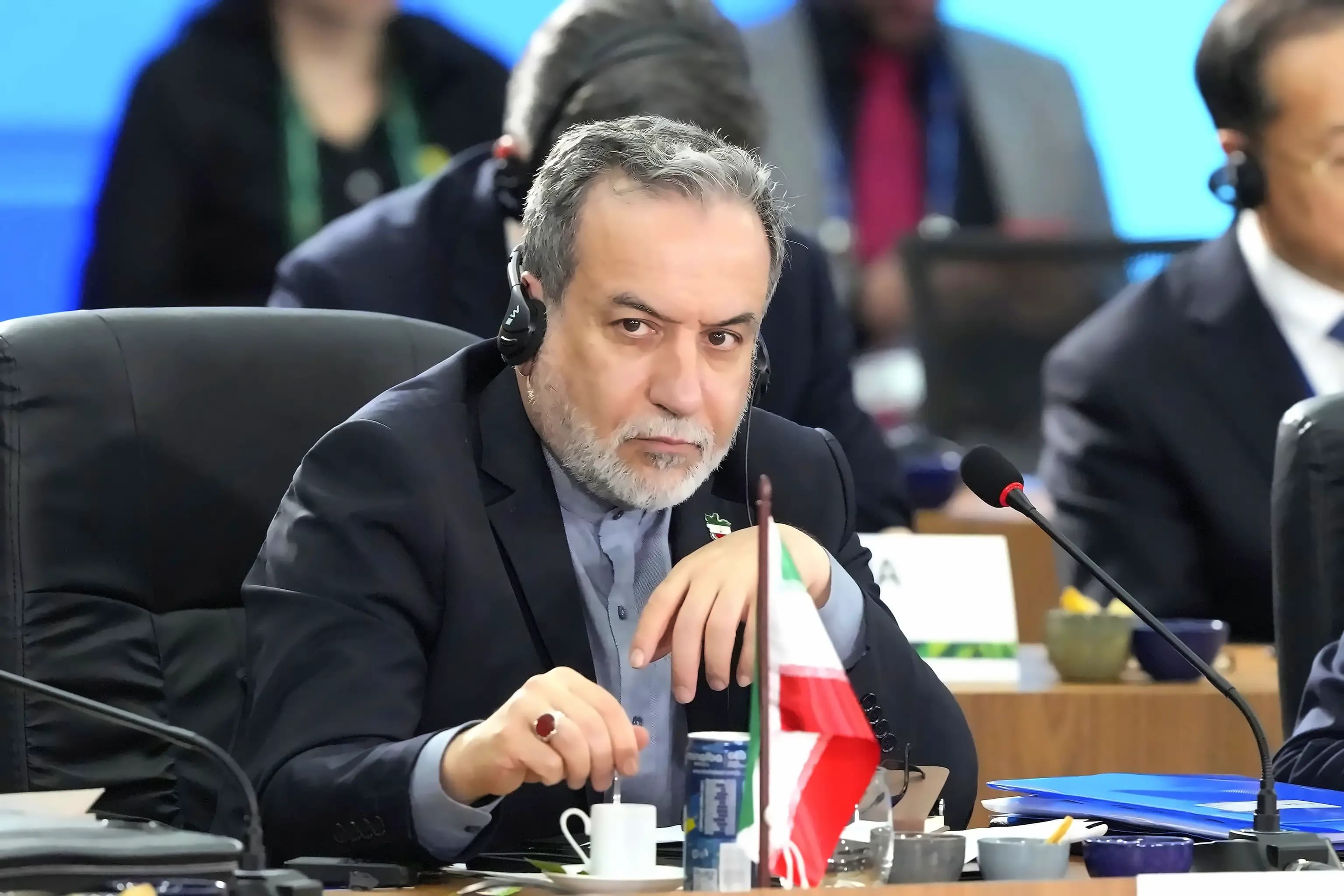
Foreign Minister Araghchi cautioned that a further Israeli-led military attack could trigger severe repercussions for international energy markets. According to Business Standard, he wrote on X that the devastating impact on international markets of any Israel-instigated military misadventure in the Persian Gulf region remains a major concern for both gas suppliers and consumers. This warning was referenced during discussions held at the Gas Exporting Countries Forum summit in Moscow. Jefferies report confirms that "Domestic affordability is stretched at current prices," with the firm expecting gas prices to remain elevated as we head into winter. The latest developments show spot liquefied natural gas prices extending gains to about $34 per million British thermal units, with LNG flows through the Strait of Hormuz remaining at less than a third of the rate before the conflict began. Japan's spot power prices have also surged, with Tokyo and Chubu areas reaching multi-year highs as fuel costs climb.