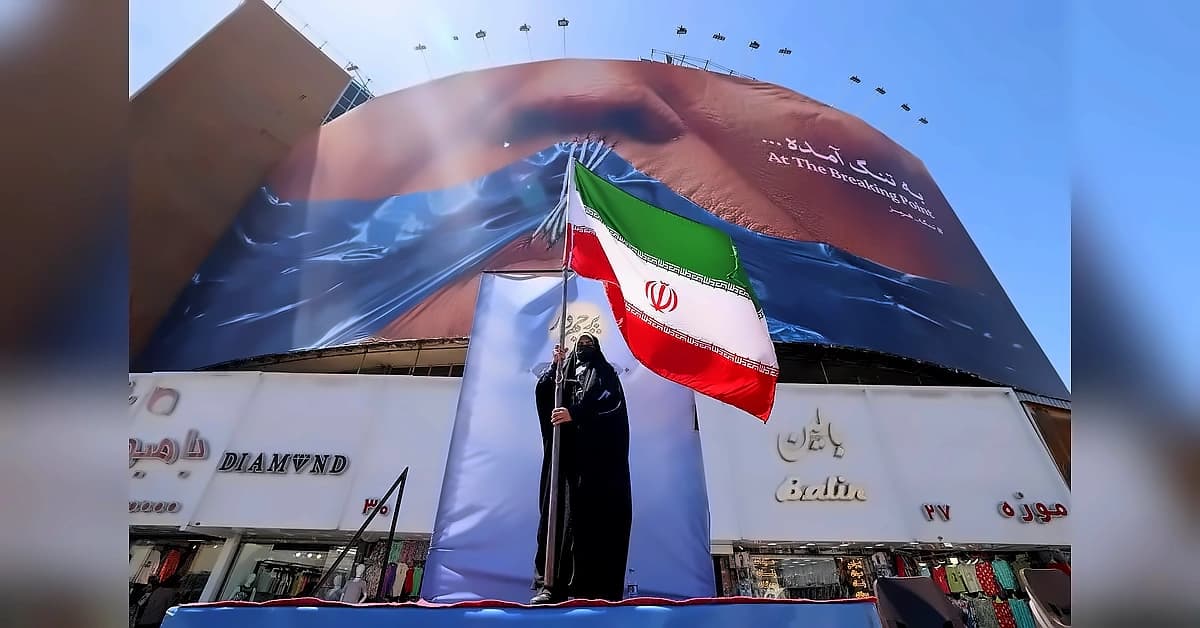
Iran announced the discovery of more than 7.5 trillion cubic feet of natural gas after months of war with the US and Israel severely disrupted its energy sector. According to reports from NDTV, Oil Minister Mohsen Paknejad told state TV on Sunday that around 5.7 trillion cubic feet of the find in the country's southern Fars province is recoverable. Paknejad described the discovery as equivalent to 15 years of production from one phase of the world's biggest gas field, South Pars, which Iran shares with Qatar. The discovery also includes gas condensates worth tens of billions of dollars, according to Paknejad's statement to state TV. As per The Hindu BusinessLine, Paknejad confirmed the gas is sweet, which reduces both development and operating costs significantly.
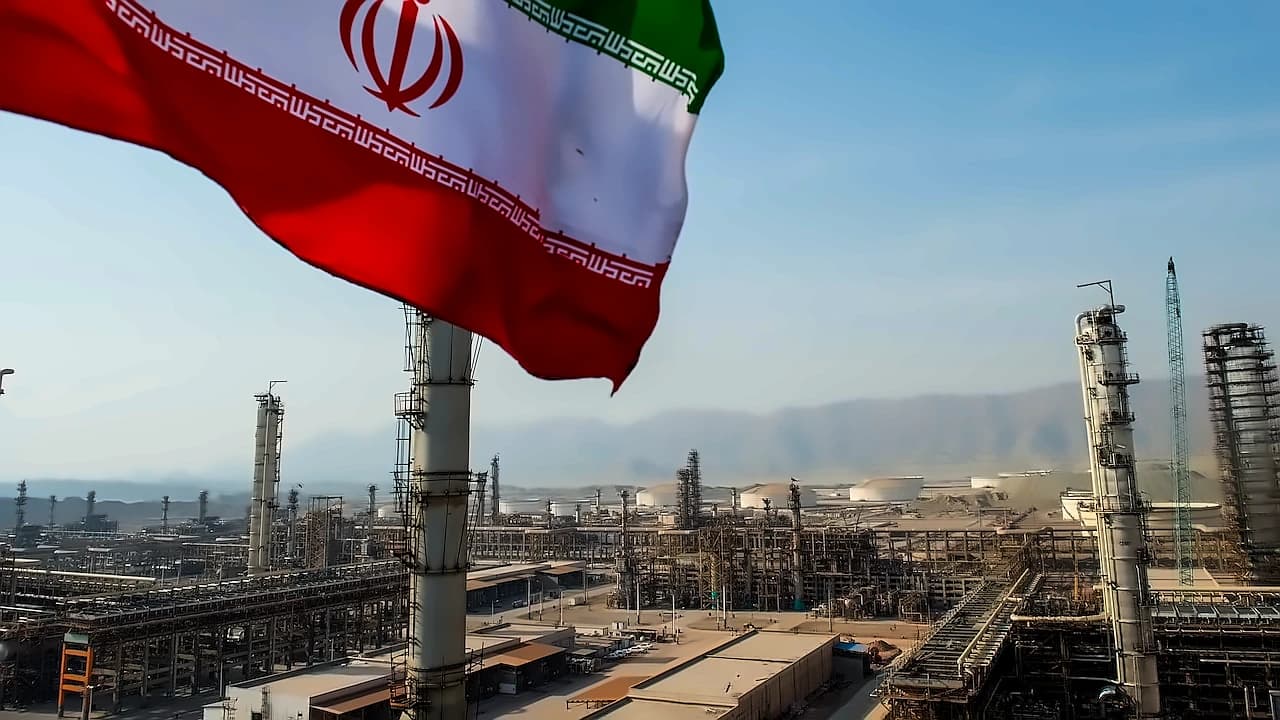
Iran has made substantial progress in restoring its energy infrastructure despite ongoing US sanctions threats. According to SHANA, the news agency of Iran's Ministry of Petroleum, the recovery of production capacity at the Phase 14 refinery in South Pars reached 70% and is expected to be completed by the end of the Iranian calendar year. Pars Oil and Gas Company (POGC) CEO Touraj Dehghani reported that reconstruction work began immediately after the refinery was hit during the conflict, with three damaged trains restored to production in less than 10 days. The company has been assigned responsibility for rebuilding the third and fifth South Pars refineries, which sustained the heaviest damage among four affected facilities. Despite initial estimates indicating fully rebuilding the facilities would take at least three years, POGC plans to complete overall reconstruction within two years using mobilized private companies and domestic contractors.
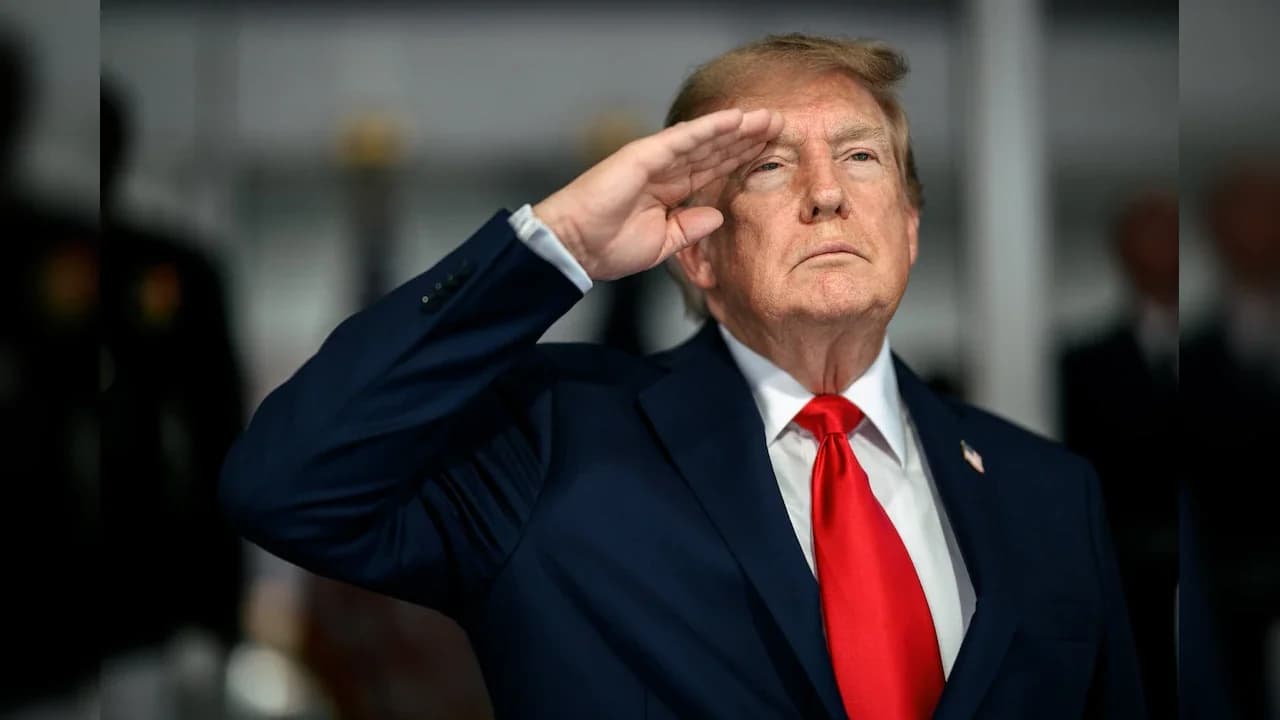
The gas discovery comes at a critical time as Iran faces mounting energy pressures from the ongoing conflict. The latest discovery comes as Tehran faces growing economic and energy pressures amid its confrontation with Washington. Tensions between the US and Iran have intensified over the Strait of Hormuz, a key global energy corridor, with US President Donald Trump sharing images depicting the waterway as "new US territory" on Truth Social. Iran has rejected these territorial claims and maintained that the waterway will remain closed unless Washington changes its position. Iran's Supreme National Security Council secretary Mohsen Rezaei criticised Trump's remarks, saying, "The gap between America's inability to reopen the Strait of Hormuz and its claim to own it is greater than the 7,000-mile distance between Washington and the Strait itself."
The updates come as Trump on Wednesday announced what he called an "Economic D-Day" campaign against Iran, describing it as the "most crushing economic operation ever taken against any country." Trump said the campaign would amount to "Economic Warfare and Isolation on an unprecedented scale" and called on US allies to join Washington in isolating Iran. Trump also said Washington had "very draconian sanctions" available against Iran and indicated that additional measures could be announced. As per The Hindu BusinessLine, US Treasury Secretary Scott Bessent warned Iran of the "toughest sanctions in history," saying Washington will pursue coordinated economic isolation against Tehran and seek to "collapse this regime." Bessent urged US allies to join Washington in isolating Tehran, claiming the measures would weaken Iran's ability to project influence globally.